
Woolly panic grass (Panicum acuminatum)
Also known as: Old-field panic grass, Woolly panicum, Geysers panicgrass, Western witchgrass
Woolly panic grass is a perennial species that flourishes in sunny, open settings. This grass features slender, upright stems and fine leaves that culminate in pointed tips, giving it a delicate appearance. In warmer seasons, it produces airy, branched flower clusters that sway elegantly in the wind. Woolly panic grass is highly adaptable, thriving in diverse soil types and readily colonizing disturbed areas, which contributes to its resilience in varied landscapes.
In This Article
Attributes of Woolly panic grass
Lifespan
Perennial
Plant Type
Grass
Plant Height
30 cm to 91 cm
Spread
30-60 cm
Leaf Color
Green
Flower Size
0.2-0.3 cm
Flower Color
Pale Green to Purple
Images of Woolly panic grass

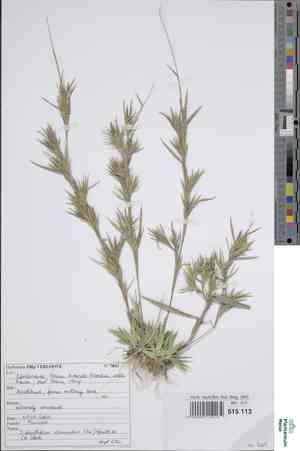


Quickly Identify Woolly panic grass
1
To identify Panicum acuminatum, look for its narrow, lance-shaped leaves that taper to a point. The plant\'s inflorescence is an open, loose panicle with fine branches. The spikelets are small and oval-shaped.
Scientific Classification of Woolly panic grass
Phylum
Vascular plants
Class
Monocotyledons
Order
Poales
Family
Grass
Genus
Panicgrasses
Species
Woolly panic grass
Planting and Growing of Woolly panic grass
Care Difficulty
Easy
Watering Schedule
Every 4 days
Sunlight Requirements
Partial sun
Sunshine Duration
4-8 hours
Ideal Temperature
70-85℉
Soil Type
Potting Mix, Peat Mix
Soil pH
6.5-7.5
Fertilizer Type
Balanced
Pruning Season
Spring, Summer
Pruning Area
Branches, Leaves
Pruning Frequency
2 times a year
Repotting Season
Spring
Pot Type
Plastic, Ceramic
 How to Water Woolly panic grass?
Panicum acuminatum prefers approximately 300 ml of water per session. This ensures the soil is moist but not waterlogged, mimicking its natural habitat where it thrives with consistent, moderate moisture levels. Allow the top layer of the soil to dry between waterings.
What are the symptoms of an underwatered Woolly panic grass?
›
What should I do if my Woolly panic grass is not getting enough water?
›
What are the symptoms of an overwatered Woolly panic grass?
›
How to save an overwatered Woolly panic grass?
›
 What Are the Sunlight Requirements for Woolly panic grass?
Panicum acuminatum thrives in partial to full sunlight conditions. Ideal lighting promotes optimal growth, increasing resilience and lushness, vital for the plant's overarching health and longevity.
How much sunlight does Panicum acuminatum require?
›
What can I do to ensure Panicum acuminatum gets its ideal sunlight?
›
What benefits does Panicum acuminatum gain from ideal lighting?
›
 What Is the Ideal Temperature Range for Woolly panic grass?
Panicum acuminatum thrives best in temperatures ranging from 70°F to 85°F. These temperatures allow for optimal metabolic functioning and growth, ensuring the plant can photosynthesize effectively.
 What Soil is Best for Woolly panic grass?
Panicum acuminatum thrives in well-drained soil as it prevents root rot. Good drainage ensures that excess water doesn’t stagnate around the roots, helping in better absorption of nutrients. The plant prefers soil of moderate fertility, which balances nutrient availability and promotes optimal growth. Overly rich soil could lead to excessive, weak growth, whereas poor soil might stunt development. Loamy soil comprises sand, silt, and clay, creating an ideal environment for Panicum acuminatum. It supports root structure with adequate moisture retention and nutrients needed for robust growth.
 How to Fertilize Woolly panic grass?
For Panicum acuminatum, moderate fertilization is key. Use a balanced liquid fertilizer with an N-P-K ratio of 10-10-10, diluted to half strength. Pour about one cup of this solution around each plant base. For slow-release granules, apply at a rate of about 2 pounds per 100 square feet to ensure nutrients last for a longer period.
 How to Prune Woolly panic grass?
Avoid removing more than one-third of the plant at any one time. Over-pruning can stress the plant, leading to poor growth and vulnerability to diseases. Always assess the plant's overall health before deciding on the extent of pruning. Check the weather forecast before pruning. Avoid pruning in wet conditions, as this can increase the risk of disease transmission. Opt for dry days to ensure cuts heal quickly and reduce pathogen exposure.
 How to Propagate Woolly panic grass plant?
1
First, collect mature seeds from the plant in the autumn. Ensure they are dry before storage. This is crucial to prevent mold and ensure germination.
2
Prepare a well-draining potting mix with equal parts of sand, peat, and loam. Proper soil preparation ensures that the seeds have a favorable growth medium.
3
Sow the seeds on the surface of the potting mix, barely covering them with soil, and water lightly. Keeping consistent moisture helps in the germination process.
 How to Repot Woolly panic grass plant?
1
Keep an eye on roots peeking out from drainage holes or soil surface. When growth stalls, it's time for a change. The second clue is compacted soil that hardens and doesn't absorb water well. Spring or early summer is ideal—choose a sunny day.
2
Select a new pot slightly larger to accommodate root growth. Ensure it has ample drainage holes at the bottom. A breathable material like terracotta benefits by allowing moisture and air exchange, preventing root rot and encouraging healthy growth.
3
Opt for a well-drained loamy mix that balances moisture retention and aeration. This blend fosters root development and minimizes waterlogging risk, crucial for Panicum acuminatum’s resilience against root diseases and ensures a solid nutritional base.



