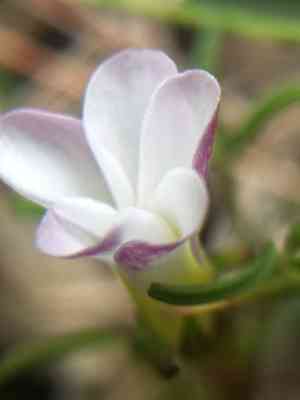
Creeping yellow oxalis (Oxalis pusilla)
Also known as: Yellow sorrel, Creeping lady's-sorrel
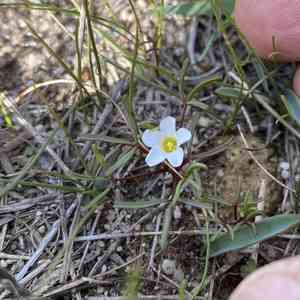
Creeping yellow oxalis (Oxalis corniculata) is a small, perennial plant that hugs the ground and is easily identified by its clover-like, trifoliate leaves. These leaves have the unique ability to fold down at night or when stressed, helping the plant conserve energy. It produces petite, yellow flowers that bloom in suitable conditions, contributing a subtle charm to its spread. The plant forms dense mats through its creeping stems, making it a persistent and adaptable presence in various environments.
In This Article
Attributes of Creeping yellow oxalis
Lifespan
Perennial
Plant Type
Herb
Plant Height
Up to 15 cm (6 inches)
Spread
Approximately 10 cm (4 inches) in spread
Leaf Color
Green
Flower Size
Around 1 cm (0.4 inch)
Flower Color
Yellow or white
Images of Creeping yellow oxalis
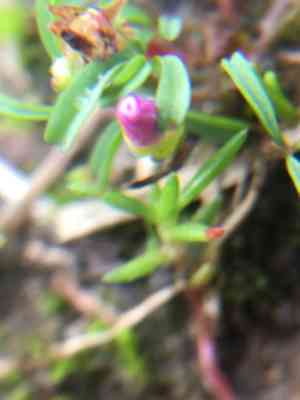
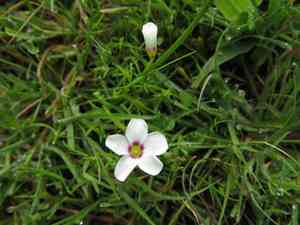
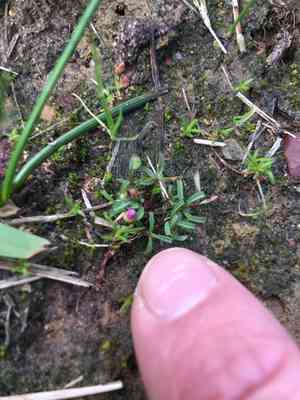
Quickly Identify Creeping yellow oxalis
1
Small Wood-sorrel is easily identified by its trifoliate leaves, which are heart-shaped and often found in a clover-like arrangement. The flowers are small, typically yellow or white, and grow from a slender stem.
Scientific Classification of Creeping yellow oxalis
Phylum
Vascular plants
Class
Dicotyledons
Order
Oxalidales
Family
Wood sorrel
Genus
Wood sorrels
Species
Creeping yellow oxalis
Planting and Growing of Creeping yellow oxalis
Care Difficulty
Easy
Watering Schedule
Every 3 days
Sunlight Requirements
Partial sun
Sunshine Duration
4-6 hours
Ideal Temperature
65-75℉
Soil Type
Potting Mix, Peat Mix
Soil pH
6-7
Fertilizer Type
Balanced
Pruning Season
Spring, Summer
Pruning Area
Branches, Leaves
Pruning Frequency
2 times a year
Repotting Season
Spring
Pot Type
Plastic, Ceramic
 How to Water Creeping yellow oxalis?
The watering amount for Oxalis pusilla should be just enough to thoroughly moisten the soil without waterlogging it. Aim to apply around 100 milliliters of water during each session. This will ensure that the roots can adequately absorb moisture without risk of damping off.
What are the symptoms of an underwatered Creeping yellow oxalis?
›
What should I do if my Creeping yellow oxalis is not getting enough water?
›
What are the symptoms of an overwatered Creeping yellow oxalis?
›
How to save an overwatered Creeping yellow oxalis?
›
 What Are the Sunlight Requirements for Creeping yellow oxalis?
Oxalis pusilla flourishes in partial sun, benefiting from 2 to 6 hours of sunlight daily. Ideal lighting stimulates healthy growth, robust foliage, and abundant flowering by offering ample energy for photosynthesis and cellular activities.
How much sunlight does Oxalis pusilla need?
›
What are the best spots for planting?
›
How can I adjust my environment to suit Oxalis pusilla?
›
 What Is the Ideal Temperature Range for Creeping yellow oxalis?
Oxalis pusilla thrives best within a temperature range of 65°F to 75°F. This range ensures optimal growth and flowering. These temperatures mimic the plant’s natural habitat and encourage healthy development. Consistently maintaining this range helps in preventing stress and promoting vibrant foliage and blooming.
 What Soil is Best for Creeping yellow oxalis?
Oxalis pusilla thrives in soil enriched with organic matter. Providing a compost-rich environment boosts growth and ensures lush foliage. Organic matter aids in moisture retention and offers essential nutrients for plant vitality. Avoid waterlogged conditions by ensuring good drainage. Amending soil with sand or fine gravel enhances aeration, preventing root rot. This setup contributes to healthy root systems and better overall plant health. Maintain soil moisture without saturation. This helps Oxalis pusilla stay hydrated, but not prone to fungal diseases. Proper watering techniques support consistent growth and vibrant appearance.
 How to Fertilize Creeping yellow oxalis?
Oxalis pusilla requires a balanced approach to fertilization. For liquid fertilizers, use a mild, balanced formula diluted to half the recommended strength. Apply approximately 1/4 teaspoon of this solution per gallon of water. For slow-release fertilizers, apply evenly around the base, using about one teaspoon per square foot.
 How to Prune Creeping yellow oxalis?
Start by observing the overall shape of your Oxalis pusilla. Trim the longer stems to maintain a compact and rounded form. Trimming the tips can encourage more lateral growth, leading to a fuller plant. When pruning, cut just above healthy buds or leaf joints. This encourages new growth from these points and ensures that the plant continues to thrive after pruning. Regularly snip off any spent flowers to encourage new blooms and prevent the plant from diverting energy into seed production. This keeps the plant vibrant and blooming more consistently.
 How to Propagate Creeping yellow oxalis plant?
1
Start by filling seed trays with a well-draining potting mix. Ensure the soil is evenly moist but not waterlogged. This environment is critical for seed germination and early growth stages.
2
Sprinkle the Oxalis pusilla seeds evenly over the soil surface, lightly covering them with a thin layer of soil. Ensure they have good contact with the soil to facilitate germination.
3
For division, carefully dig out the mature plant ensuring minimal damage to the roots. Split the clump into smaller sections, ensuring each section has roots attached, then replant these sections promptly.
 How to Repot Creeping yellow oxalis plant?
1
Oxalis pusilla shows signs for repotting when you notice roots growing out of the drainage holes or the soil dries out too quickly. This typically indicates that the plant is root-bound, necessitating a larger pot to encourage healthy growth.
2
Select a pot that is one size larger than the current one, with good drainage holes. This allows ample space for root expansion, which is critical for Oxalis pusilla to absorb nutrients efficiently and thrive.
3
Opt for a well-draining potting mix, preferably a combination of peat moss, perlite, and standard potting soil. This type of soil prevents root rot by allowing excess water to drain out, mimicking the plant's natural habitat.
Learn More About Creeping yellow oxalis Diseases
Anthracnose
Bacterial Leaf Spot
Bacterial Soft Rot
Chemical Injury
Damping-off
Downy Mildew
Drought Stress
Fusarium Wilt
Gray Mold
Leaf Spot
Mosaic
Nutrient Deficiency
Nutrient Toxicity
Powdery Mildew
Root Rot
Root-knot Nematode
Rusts
Sooty Mold
Spider Mites
Temperature Stress
Thrips Damage
White Mold



