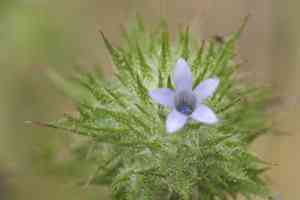
Skunkbush (Navarretia squarrosa)
Also known as: Skunkweed gilia
When skunkbush is touched, crushed, or otherwise disturbed, it emits a strong, foul odor. This perennial plant, originally from western North America, including regions like British Columbia, Oregon, Washington, and California, has also spread to various other parts of the globe.
In This Article
Attributes of Skunkbush
Lifespan
Annual
Plant Type
Herb
Plant Height
10 cm to 60 cm
Spread
5 cm to 30 cm
Leaf Color
Green
Flower Size
1.2 cm
Flower Color
Purple
Images of Skunkbush
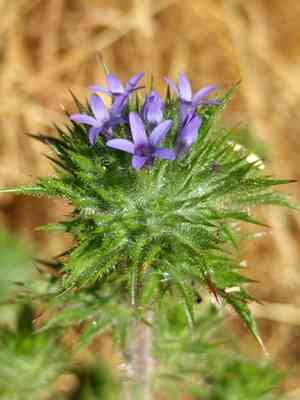
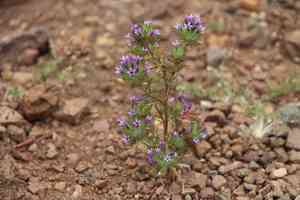
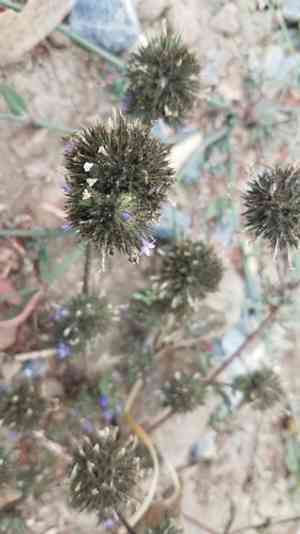
Quickly Identify Skunkbush
1
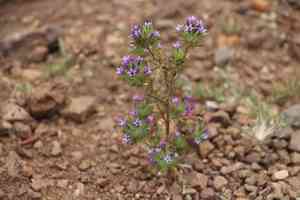
Navarretia squarrosa can be identified by its sticky, glandular foliage and small, tubular, purple to blue flowers. The plant\'s strong skunky odor is another distinguishing feature.
Scientific Classification of Skunkbush
Phylum
Vascular plants
Class
Dicotyledons
Order
Ericales
Family
Phlox
Genus
Navarretia
Species
Skunkbush
Planting and Growing of Skunkbush
Care Difficulty
Moderate
Watering Schedule
Every 2 days
Sunlight Requirements
Full sun
Sunshine Duration
4-6 hours
Ideal Temperature
60-75℉
Soil Type
Potting Mix, Peat Mix
Soil pH
6.5-7.5
Fertilizer Type
Balanced
Pruning Season
Spring, Summer
Pruning Area
Branches, Leaves
Pruning Frequency
2 times a year
Repotting Season
Spring
Pot Type
Plastic, Terracotta
 How to Water Skunkbush?
Navarretia squarrosa prefers to be watered thoroughly, about 250 ml each time. Ensure the soil is adequately moistened but never soggy. The aim is to mimic the natural arid conditions it thrives in, allowing for the soil to dry out completely between each watering session.
What are the symptoms of an underwatered Skunkbush?
›
What should I do if my Skunkbush is not getting enough water?
›
What are the symptoms of an overwatered Skunkbush?
›
How to save an overwatered Skunkbush?
›
 What Are the Sunlight Requirements for Skunkbush?
Navarretia squarrosa flourishes in full sun, ensuring strong stems and vibrant blooms. This light level supports maximum photosynthetic activity, crucial for its growth and vitality.
More About Sunlight Requirements Techniques→
Best Exposure
›
Solution
›
Effect
›
 What Is the Ideal Temperature Range for Skunkbush?
The ideal temperature range for Navarretia squarrosa is between 60°F and 75°F. This range allows the plant to thrive and grow optimally. It ensures a suitable environment that mimics its natural habitat, providing enough warmth during the day while avoiding excessive heat stress. Consistently maintaining this temperature range helps support healthy growth and flowering.
 What Soil is Best for Skunkbush?
Navarretia squarrosa thrives in well-draining soil conditions. The plant benefits from soil that prevents water stagnation, reducing the risk of root rot and ensuring optimal nutrient uptake. While it can tolerate sandy soils, a moderate mix of organic matter enhances growth. Organic materials improve soil structure, retain moisture, and supply essential nutrients. A slightly acidic to neutral soil pH (6.5 to 7.5) is ideal. This range supports balanced nutrient availability and promotes healthy root development.
 How to Fertilize Skunkbush?
Navarretia squarrosa is not a heavy feeder, so it is crucial to apply fertilizers sparingly to avoid growth issues. Generally, a diluted formula of liquid fertilizer should be used, aiming for about a 1/4 strength. For solid fertilizers, a light application of around 5 grams per plant annually is often sufficient, distributed evenly to ensure complete coverage.
 How to Prune Skunkbush?
Start by removing any dead, damaged, or diseased stems and leaves to prevent the spread of disease and promote air circulation. This helps the plant focus energy on the healthiest parts. Trim back overgrown areas to maintain a compact shape, which is particularly beneficial for this often bushy plant. Prune in a way that encourages a rounded shape to support even sunlight exposure. Cut back spent flowers to encourage the plant to keep blooming throughout the season. This not only helps maintain the plant's aesthetic appeal but also prevents the formation of seeds, which can drain the plant's energy.
More About Pruning Techniques→
 How to Propagate Skunkbush plant?
1
Start by filling the seed tray with a well-draining seed starting mix. It is important to moisten the soil before planting, as dry soil can hinder the seed's ability to germinate effectively.
2
Evenly spread the Navarretia squarrosa seeds over the prepared soil surface, ensuring that seeds are not crowded to provide ample space for root development. Lightly cover the seeds with a thin layer of soil.
3
Place the seed tray in a warm location with indirect sunlight. Maintain a consistent temperature around 65-75°F (18-24°C) for optimal germination rates. Regularly monitor moisture levels using a spray bottle to keep the soil evenly moist.
 How to Repot Skunkbush plant?
1
Navarretia squarrosa signals its need for repotting through root-bound conditions—dense roots emerging from drainage holes. Also, stunted growth and poor drainage are clear indicators. Ideally, repot during its dormant period in spring or autumn, ensuring minimal stress.
2
Choose a pot that’s slightly larger in diameter than the root ball. Ensure it has ample drainage holes to prevent waterlogging. A breathable material like terracotta is ideal, as it aids in aeration and moisture regulation, promoting healthy root growth.
3
Opt for a well-draining sandy soil mix to mimic its natural habitat. This prevents root rot by facilitating proper water flow. Adding perlite enhances this quality, ensuring a balance of moisture retention and drainage for optimal growth conditions.
Toxicity
Ingestion, Contact
WARNING
The judgment on toxicity and danger is for reference only. We DO NOT GUARANTEE any accuracy of such judgment. Therefore, you SHALL NOT rely on such judgment. It is IMPORTANT TO SEEK PROFESSIONAL ADVICE in advance when necessary.



