Kolea lau nui (Myrsine lessertiana)
Also known as: Kolea
The Kolea lau nui (Myrsine lessertiana) is an evergreen shrub well-suited to tropical climates, thriving beneath dense forest canopies. Its thick, shiny leaves help it effectively utilize the limited sunlight available in shaded environments, while minimizing water loss. The plant's modest height, typically under two meters, allows it to flourish under the forest canopy. It produces clusters of small, purple-tinged white flowers and red to black berries, which attract wildlife and facilitate seed dispersal, further ensuring its survival and propagation in humid, shaded areas.
In This Article
Attributes of Kolea lau nui
Lifespan
Perennial
Plant Type
Shrub
Plant Height
4-10 meters
Spread
2-4 meters
Leaf Color
Dark green
Flower Size
0.5-1 cm
Flower Color
White to yellowish
Images of Kolea lau nui
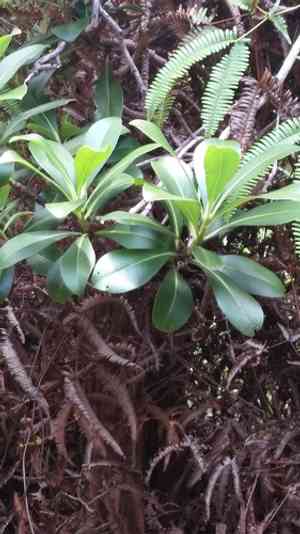
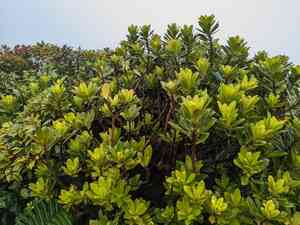
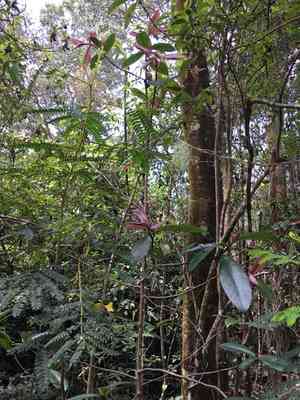
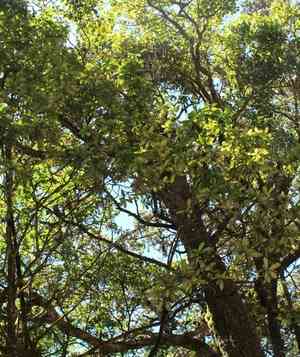
Quickly Identify Kolea lau nui
1
Myrsine lessertiana can be identified by its small, shiny, dark green leaves that are elliptic to obovate in shape. The leaves are usually about 3-8 cm long. Flowers are small, white to yellowish in color, and unisexual. The fruits are drupes that turn from green to dark purple or black when mature.
Scientific Classification of Kolea lau nui
Phylum
Vascular plants
Class
Dicotyledons
Order
Ericales
Family
Primrose
Genus
Colicwood
Species
Kolea lau nui
Planting and Growing of Kolea lau nui
Care Difficulty
Moderate
Watering Schedule
Every 2 days
Sunlight Requirements
Partial sun
Sunshine Duration
4-8 hours
Ideal Temperature
65-75℉
Soil Type
Potting Mix, Peat Mix
Soil pH
6.5-7.5
Fertilizer Type
Balanced
Pruning Season
Spring, Summer
Pruning Area
Branches, Leaves
Pruning Frequency
2 times a year
Repotting Season
Spring
Pot Type
Plastic, Ceramic
 How to Water Kolea lau nui?
Myrsine lessertiana requires a moderate amount of water—about 250 ml per session. The key is to ensure the soil is moist but not soaked. Water until it begins to drain from the bottom of the pot, which indicates that the soil is appropriately hydrated but not waterlogged.
What are the symptoms of an underwatered Kolea lau nui?
›
What should I do if my Kolea lau nui is not getting enough water?
›
What are the symptoms of an overwatered Kolea lau nui?
›
How to save an overwatered Kolea lau nui?
›
 What Are the Sunlight Requirements for Kolea lau nui?
Partial sun ensures the plant receives balanced exposure, advancing photosynthesis while minimizing stress. This aids in robust growth, maintains leaf vibrancy, and supports a strong structural framework.
What is the best lighting condition for Myrsine lessertiana?
›
How can I ensure Myrsine lessertiana gets its ideal light?
›
What benefits arise from ideal lighting for Myrsine lessertiana?
›
 What Is the Ideal Temperature Range for Kolea lau nui?
The ideal temperature range for Myrsine lessertiana is between 65°F and 75°F. This temperature range provides the best conditions for photosynthesis and nutrient absorption, ensuring optimal growth and health for the plant. Maintaining this temperature helps to replicate its native subtropical habitat, promoting vigorous development and resilience.
 What Soil is Best for Kolea lau nui?
Myrsine lessertiana thrives in well-drained soil that prevents water logging. Good drainage helps prevent root rot and supports healthy growth by allowing roots to access oxygen and nutrients efficiently. This plant benefits from soil enriched with organic matter. Organic compounds enhance soil fertility, supporting robust growth and vibrant foliage, making the plant more resistant to pest and disease attacks. Myrsine lessertiana requires soil that retains moisture while allowing excess water to drain away. This balance prevents dehydration and ensures the roots remain moist, which is crucial for sustained plant health.
 How to Fertilize Kolea lau nui?
For Myrsine lessertiana, it's essential to provide a balanced nutrient mixture that meets the plant's needs without overwhelming it. Use a liquid fertilizer with an NPK ratio of 10-10-10 at half-strength for liquid applications, ensuring you do not exceed more than a cup per application since the plant is particularly sensitive to over-fertilization.
 How to Prune Kolea lau nui?
Before starting, take time to observe the natural structure and growth pattern of Myrsine lessertiana. Focus on keeping its symmetric shape to enhance its natural beauty and health. Start by cutting away any dead or diseased branches. This not only improves the plant's appearance but also prevents the spread of diseases, allowing for healthier, more robust growth. Prune selectively to thin dense areas, which promotes good air circulation within the plant. Proper airflow helps prevent fungal diseases and ensures sunlight reaches all leaves evenly. Trim branches to refine the plant's shape, focusing on maintaining a round, bushy appearance. Cut above a node or outward-facing bud to direct new growth and maintain the plant’s preferred aesthetic.
More About Pruning Techniques→
 How to Propagate Kolea lau nui plant?
1
For seed propagation, collect fully ripe seeds during late summer. Ensure seeds are from healthy parent plants. For cuttings, use mature stems and make a clean cut just below a node to ensure better rooting.
2
Prepare a well-draining potting mix. A mixture of peat and perlite can provide good aeration and moisture retention for seed germination and root development in cuttings.
3
Plant seeds shallowly in a seedling tray, covering lightly with soil. For cuttings, dip the cut edge in rooting hormone and insert into the prepared medium. Keep the medium consistently moist but not waterlogged.
 How to Repot Kolea lau nui plant?
1
Myrsine lessertiana needs repotting when roots outgrow the pot, causing drainage issues, or when growth slows significantly, indicating root bound conditions. Late winter or early spring is ideal, as the plant is poised for new growth, minimizing stress.
2
Select a pot that's 2 inches larger in diameter than the current one. Ensure it has drainage holes to prevent waterlogging. Using the right size minimizes transplant shock and promotes healthy root expansion without overwhelming the plant.
3
Opt for a well-draining, acidic mix containing peat and sand. This emulates the plant's natural habitat, providing essential drainage while retaining enough moisture to keep roots healthy and preventing rot.
Learn More About Kolea lau nui Diseases
Anthracnose
Bacterial Leaf Spot
Bacterial Wilt
Crown Gall
Cyst Nematode
Damping-off
Downy Mildew
Drought Stress
Fusarium Wilt
Gray Mold
Leaf Curl
Leaf Spot
Mosaic
Nutrient Deficiency
Nutrient Toxicity
Powdery Mildew
Root Rot
Root-knot Nematode
Rusts
Sooty Mold
Spider Mites
Temperature Stress
Thrips Damage
White Mold



