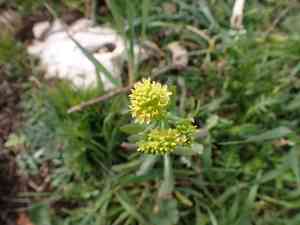
Bird's-eye cress (Myagrum perfoliatum)
Also known as: Gold-of-pleasure
Yellow rocket (*Barbarea vulgaris*) is a flowering herbaceous biennial plant from the mustard family. It displays small yellow blossoms on elongated stalks in the spring. Native to Southeastern Europe and Western Asia, it has also spread to the United States, Australia, and parts of Canada, where it is regarded as an invasive weed.
In This Article
Attributes of Bird's-eye cress
Lifespan
Annual
Plant Type
Herb
Plant Height
1 m
Spread
Not applicable (herbaceous plant)
Leaf Color
Green
Flower Size
2 mm to 4 mm
Flower Color
Yellow
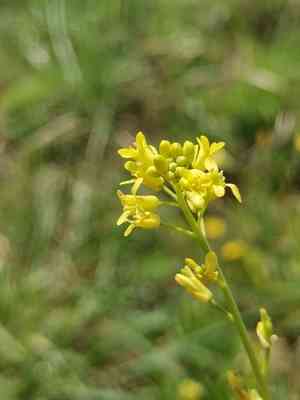
Images of Bird's-eye cress
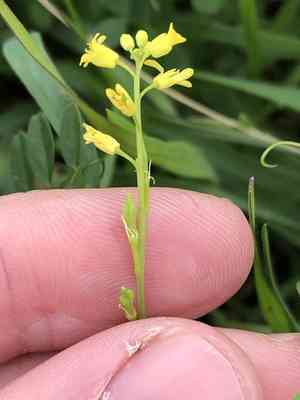
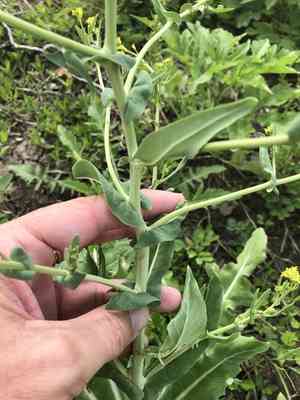
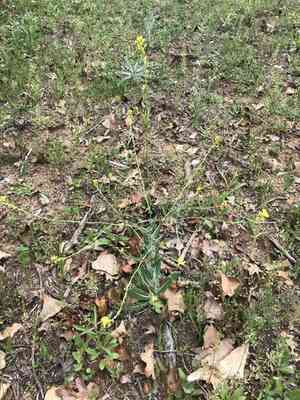
Quickly Identify Bird's-eye cress
1
Identifying Myagrum perfoliatum involves looking for its perfoliate leaves that almost appear to encircle the stem. The bright yellow flowers and slender, elongated seed pods are also key identifying features.
Scientific Classification of Bird's-eye cress
Phylum
Vascular plants
Class
Dicotyledons
Order
Brassicales
Family
Cruciferae
Genus
Musk weeds
Species
Bird's-eye cress
Planting and Growing of Bird's-eye cress
Care Difficulty
Easy
Watering Schedule
Every 3 days
Sunlight Requirements
Full sun
Sunshine Duration
4-8 hours
Ideal Temperature
65-75℉
Soil Type
Potting Mix, Peat Mix
Soil pH
6.5-7.5
Fertilizer Type
Balanced
Pruning Season
Spring, Summer
Pruning Area
Branches, Leaves
Pruning Frequency
2 times a year
Repotting Season
Spring
Pot Type
Plastic, Terracotta
 How to Water Bird's-eye cress?
For Myagrum perfoliatum, water thoroughly until the soil is evenly moist but not waterlogged. The ideal measure is about 150 ml per watering session which ensures the roots have adequate moisture without drowning. Adjust based on humidity and soil retention.
What are the symptoms of an underwatered Bird's-eye cress?
›
What should I do if my Bird's-eye cress is not getting enough water?
›
What are the symptoms of an overwatered Bird's-eye cress?
›
How to save an overwatered Bird's-eye cress?
›
 What Are the Sunlight Requirements for Bird's-eye cress?
Myagrum perfoliatum thrives best in full sun to partial sun conditions. This ensures that the plant receives enough light energy necessary for photosynthesis, leading to robust growth and prolific blooming, optimizing its visual appeal and vitality.
Requirements for Optimal Growth
›
Solutions for Achieving Ideal Conditions
›
Benefits of Adequate Exposure
›
 What Is the Ideal Temperature Range for Bird's-eye cress?
For Myagrum perfoliatum, an ideal temperature range is essential to promote optimal growth. Ideally, temperatures between 65°F and 75°F provide the best conditions for photosynthesis and metabolic functions. Within this range, the plant can effectively utilize resources and maintain healthy growth patterns.
 What Soil is Best for Bird's-eye cress?
Myagrum perfoliatum thrives in nutrient-rich soil as it provides the essential elements needed for healthy growth and vibrant foliage. Ensuring the soil is rich in organic matter boosts plant vitality. It requires well-drained soil to prevent root rot and fungal infections. Ample drainage ensures roots have the air circulation they need, promoting robust plant development. The soil should have a moderate moisture retention capacity, allowing the plant to stay hydrated without becoming waterlogged. This balance is crucial for sustained plant health.
 How to Fertilize Bird's-eye cress?
For Myagrum perfoliatum, it is crucial to provide adequate nutrients without over-fertilizing. Use a liquid fertilizer that is diluted to half the recommended strength to avoid root burn. For solid fertilizers, apply around 40 grams per plant per application.
 How to Prune Bird's-eye cress?
To prune Myagrum perfoliatum, start by using clean, sharp pruning shears to remove any dead or diseased branches first. Then, trim back overgrown or leggy stems, cutting just above a leaf node to promote bushier growth. Be careful not to remove more than one-third of the plant at a time to avoid stress.
More About Pruning Techniques→
 How to Propagate Bird's-eye cress plant?
1
Fill the seed tray with potting mix up to about half an inch from the top. Ensure the mix is evenly spread and lightly press to make a flat surface for sowing.
2
Distribute the Myagrum perfoliatum seeds evenly across the surface of the potting mix. It's crucial not to sow them too deeply to ensure they receive adequate light for germination.
3
Gently water the seeds using a fine mist or spray bottle to avoid displacing them. Maintain consistent moisture but be cautious of overwatering, which can cause fungal growth.
 How to Repot Bird's-eye cress plant?
1
Knowing the right time to repot Myagrum perfoliatum is crucial. Look for signals like roots poking out from the drainage holes, which indicate that the plant has outgrown its current pot. Additionally, if growth seems stunted or the soil stays soggy for too long, it’s time to consider a new pot.
2
Choosing the right pot for Myagrum perfoliatum involves considering both size and material. A pot that is one or two inches larger in diameter than the current one is ideal to give roots room to grow. Use pots with drainage holes to prevent waterlogging, which can be detrimental to the plant's health.
3
Opt for a well-drained, nutrient-rich soil mix that can support Myagrum perfoliatum’s growth. Look for soil that retains moisture but doesn’t get waterlogged, ensuring ample air circulation. This kind of soil will provide essential support to the roots and foster a thriving plant.



