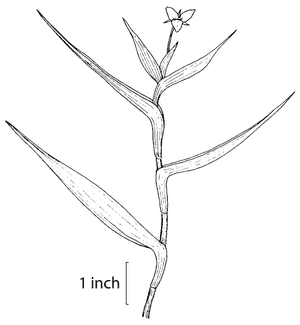
Wartremoving herb (Murdannia keisak)
Also known as: Marsh dayflower, Asian spiderwort
The plant in question is *Murdannia keisak*, commonly known as the wartremoving herb. Originating from East Asia, it is closely linked to rice cultivation in that region. In the United States, it has been introduced and exhibits aggressive growth.
In This Article
Attributes of Wartremoving herb
Lifespan
Perennial, Annual
Plant Type
Herb
Plant Height
5 cm to 20 cm
Spread
20-40 cm
Leaf Color
Green
Flower Size
1 cm
Flower Color
White Pink Purple
Images of Wartremoving herb
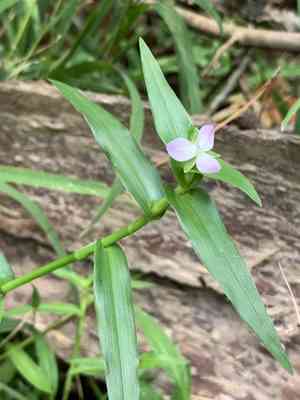
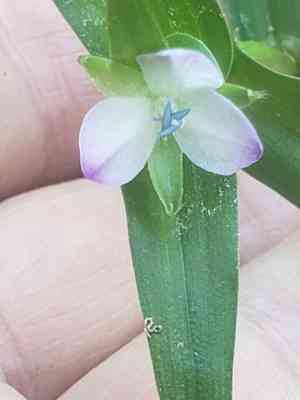
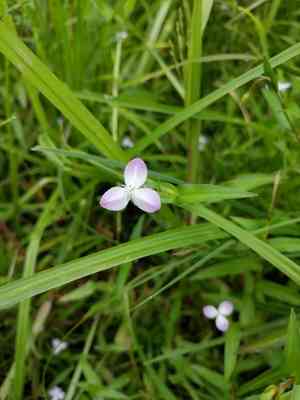
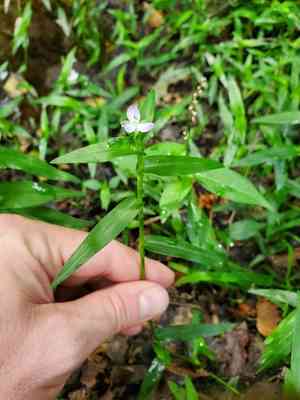
Quickly Identify Wartremoving herb
1
Slender stems reaching 3 feet (1 meter), forming dense mats.
2
Lanceolate, glossy leaves measuring up to 3 inches (7.5 cm).
3
Delicate, three-petaled flowers in light blue to violet hues.
4
Small, spherical capsules containing tiny, dark seeds.
5
Prostrate stems with rooting nodes, creating extensive mats.
Scientific Classification of Wartremoving herb
Phylum
Vascular plants
Class
Monocotyledons
Order
Commelinales
Family
Spiderwort
Genus
Dewflowers
Species
Wartremoving herb
Planting and Growing of Wartremoving herb
Care Difficulty
Easy
Watering Schedule
Every 8 days
Sunlight Requirements
Partial sun
Sunshine Duration
6-10 hours
Ideal Temperature
68-77℉
Soil Type
Potting Mix, Peat Mix
Soil pH
6.5-7.5
Fertilizer Type
Balanced
Pruning Season
Spring, Summer
Pruning Area
Branches, Leaves
Pruning Frequency
2 times a year
Repotting Season
Spring
Pot Type
Plastic, Ceramic
 How to Water Wartremoving herb?
Murdannia keisak thrives in moist environments, mimicking its natural habitat in wetlands. Ensure the soil is consistently damp but not waterlogged. While watering, aim for about 500 ml per session, to maintain the right moisture level.
What are the symptoms of an underwatered Wartremoving herb?
›
What should I do if my Wartremoving herb is not getting enough water?
›
What are the symptoms of an overwatered Wartremoving herb?
›
How to save an overwatered Wartremoving herb?
›
 What Are the Sunlight Requirements for Wartremoving herb?
Murdannia keisak thrives in partial sun conditions, needing about 4-6 hours of light daily. This balance supports lush foliage and frequent blooming without the risk of light-induced stress.
More About Sunlight Requirements Techniques→
How much light is ideal for Murdannia keisak?
›
How to achieve the ideal lighting for Murdannia keisak?
›
What benefits does ideal lighting have for Murdannia keisak?
›
 What Is the Ideal Temperature Range for Wartremoving herb?
Murdannia keisak thrives best in temperatures ranging from 68°F to 77°F. This range promotes active growth and overall plant vitality by providing an ideal metabolic environment.
 What Soil is Best for Wartremoving herb?
Murdannia keisak thrives in moist environments, and thus requires soil with good water retention. Loamy soil enriched with organic content is ideal as it helps to maintain consistent moisture levels, which is crucial for the plant's optimal growth and development. The plant demands nutrient-rich soil to support its growth. Clay soil, which often holds minerals and nutrients well, can be beneficial as long as it's not too compacted. Regular composting or fertilization helps maintain nutrient levels, promoting vibrant foliage and robust growth. Good aeration is essential for root health, and loamy soil provides just the right texture to allow oxygen to reach the roots while preventing water-logging. This balance prevents root rot and contributes to a healthy plant system.
 How to Fertilize Wartremoving herb?
For Murdannia keisak, a balanced fertilizer is key. Use a diluted liquid fertilizer at a concentration of 1/4 strength every time you apply, ensuring nutrients are gently fed without overwhelming the plant. Slow-release granular fertilizer should also be applied sparingly at around 1 tablespoon per plant once every four months.
 How to Prune Wartremoving herb?
Start by sterilizing your shears to prevent the spread of disease. Look for any dead or damaged stems and remove them at their base. Thin out crowded areas to improve air circulation and sunlight penetration. Trim back excessively long shoots to shape the plant and control its size, making clean cuts just above a leaf joint. To promote more blooms, focus on deadheading—removing spent flowers and seed pods. This redirection of energy prevents seed formation and encourages more blooms. Cut back flower stalks to the next healthy set of leaves. Murdannia keisak can spread aggressively. To manage this, regularly inspect for runners and trim back those extending beyond the desired boundaries. Keep an eye out for early signs of root expansion and act promptly to contain them.
More About Pruning Techniques→
 How to Propagate Wartremoving herb plant?
1
Start by collecting seeds from a mature Murdannia keisak plant. Clean them to remove any debris before sowing. Sow seeds in a seed tray filled with moist, well-draining soil.
2
Select healthy stems from the plant and cut sections about 4-6 inches long. Remove the lower leaves and dip the cut end in rooting hormone to encourage root development.
3
Dig up the plant carefully ensuring you don’t damage the root system. Use a sharp knife to divide the root ball into sections, each with a few shoots and roots, and replant them promptly.
 How to Repot Wartremoving herb plant?
1
Look for signs such as roots emerging from the drainage holes, slow growth, or the soil drying out rapidly. These indicators suggest it's time to repot Murdannia keisak for optimal growth and health.
2
Opt for a pot that is 2-4 inches larger in diameter than the current one. Ensure it has ample drainage holes to prevent waterlogging, supporting healthy root development and preventing root rot.
3
Select a soil mix with good moisture retention yet excellent drainage. This soil type mimics its natural environment, helping to maintain the necessary balance between hydration and airflow for the roots.
Learn More About Wartremoving herb Diseases
Anthracnose
Bacterial Leaf Spot
Bacterial Soft Rot
Bacterial Wilt
Damping-off
Downy Mildew
Drought Stress
Fusarium Wilt
Gray Mold
Leaf Spot
Mosaic
Nutrient Deficiency
Nutrient Toxicity
Powdery Mildew
Root Rot
Root-knot Nematode
Rusts
Sooty Mold
Spider Mites
Temperature Stress
Thrips Damage
White Mold
Chemical Injury



