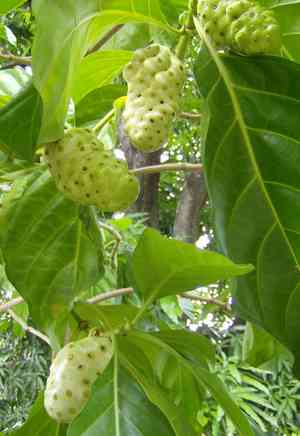
Noni (Morinda citrifolia)
Also known as: Indian mulberry, Beach mulberry
The Noni tree (Morinda citrifolia), belonging to the coffee family, bears fruit known for its pungent, vomit-like smell. This fruit is considered a staple in some regions during food shortages and a delicacy in others. Remarkably, the Noni tree produces flowers and fruit year-round.
In This Article
Attributes of Noni
Lifespan
Perennial
Plant Type
Shrub
Plant Height
3 m to 5 m
Spread
2.5 m to 4.5 m
Leaf Color
Black Green
Flower Size
1.5 cm to 2 cm
Flower Color
White
Images of Noni
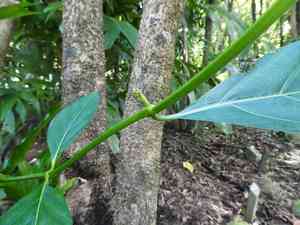
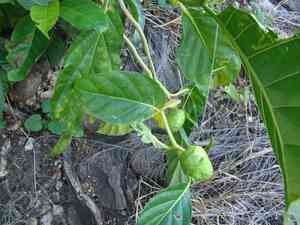
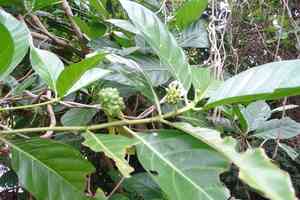
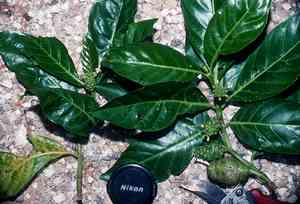
Quickly Identify Noni
1
Morinda citrifolia can be identified by its oval-shaped, glossy green leaves, white tubular flowers, and distinctive, bumpy, yellow fruit. The fruit has a strong, unpleasant odor when ripe, which helps distinguish it from other plants.
Scientific Classification of Noni
Phylum
Vascular plants
Class
Dicotyledons
Order
Gentians, dogbanes, madders, and allies
Family
Madder
Genus
Morinda
Species
Noni
Planting and Growing of Noni
Care Difficulty
Easy
Watering Schedule
Every 3 days
Sunlight Requirements
Full sun
Sunshine Duration
6-8 hours
Ideal Temperature
77-86℉
Soil Type
Potting Mix, Peat Mix
Soil pH
6.5-7.5
Fertilizer Type
Balanced
Pruning Season
Spring, Summer
Pruning Area
Branches, Leaves
Pruning Frequency
2 times a year
Repotting Season
Spring
Pot Type
Plastic, Ceramic
 How to Water Noni?
Watering Morinda citrifolia should follow a principle of deep soaking while ensuring good drainage. The soil should be moist but not soggy. Around 500 ml of water per session ensures the roots have sufficient moisture for healthy growth.
What are the symptoms of an underwatered Noni?
›
What should I do if my Noni is not getting enough water?
›
What are the symptoms of an overwatered Noni?
›
How to save an overwatered Noni?
›
 What Are the Sunlight Requirements for Noni?
Morinda citrifolia flourishes with full to partial sun, ensuring robust growth and vitality. This level of exposure facilitates adequate photosynthesis, leading to lush leaves and consistent fruit production.
More About Sunlight Requirements Techniques→
Preferred Luminosity
›
Solutions for Light Management
›
Benefits of Ideal Lighting
›
 What Is the Ideal Temperature Range for Noni?
Morinda citrifolia thrives best in a temperature range of 77°F to 86°F. This range ensures optimal growth and fruit production. The plant relies on consistent warmth to activate metabolic processes necessary for vigorous development.
 What Soil is Best for Noni?
Morinda citrifolia thrives in soil that is rich in organic matter, which helps in retaining moisture and supplies essential nutrients. This enables the plant to grow vigorously and produce an abundant fruit yield. The plant requires soil that drains well to prevent waterlogging, which can cause root rot. When the roots have access to oxygen due to proper drainage, the plant remains healthy and more resilient to pests and diseases. While the soil should be well-draining, it should also retain enough moisture. Adequate moisture levels ensure that Morinda citrifolia maintains its growth rate and fruit production throughout its growing season.
 How to Fertilize Noni?
For Morinda citrifolia, a balanced 10-10-10 NPK fertilizer is recommended. Use about one tablespoon per plant for liquid fertilizers, accurately diluting it with water. For solid fertilizers, use approximately 1/4 cup per plant, spread evenly around the base of the plant.
 How to Prune Noni?
Always use sterilized tools to prune your Morinda citrifolia to prevent the potential spread of diseases. Use a disinfectant solution or rubbing alcohol to clean your shears or scissors before and after use. This precaution is essential for maintaining the plant's health. While Morinda citrifolia can be pruned throughout the year, avoid pruning during extreme weather conditions. Extremely hot or cold days can stress the plant, so it is advisable to choose milder days for pruning activities.
More About Pruning Techniques→
 How to Propagate Noni plant?
1
Gather seeds from mature Morinda citrifolia fruits. Ensure the fruit is fully ripe, as this improves the viability of the seeds and increases the chances of successful germination.
2
Select healthy, semi-hardwood stems from the plant for cuttings. Cuttings should be around 6-8 inches long, and any leaves should be removed from the lower half to prevent rot.
3
Plant seeds or insert cuttings into a moistened substrate. Water thoroughly to settle the soil around the plant material but avoid waterlogging, as this can lead to rot.
 How to Repot Noni plant?
1
It's essential to repot Morinda citrifolia when it shows signs of being root-bound or when its growth appears stunted. Spring and summer are ideal seasons as the plant actively grows, allowing it to recover quickly from the repotting process. Be observant of roots protruding through the drainage holes or a noticeable lack of growth despite optimal conditions.
2
Select a pot that is 2-3 inches larger in diameter than the current one to accommodate the expanding root system of Morinda citrifolia. Ensure the pot contains proper drainage holes to prevent water stagnation, which could lead to root rot. A pot made of breathable materials like terracotta is recommended, helping in moisture regulation and offering stability.
3
Opt for a well-draining soil mix that can retain adequate moisture without becoming waterlogged. The ideal composition includes equal parts of peat moss, perlite, and compost, providing good aeration and essential nutrients. This blend supports root growth and prevents the hazards of overwatering, fostering healthy foliage.
Learn More About Noni Diseases
Anthracnose
Bacterial Leaf Spot
Bacterial Soft Rot
Bacterial Wilt
Crown Gall
Damping-off
Downy Mildew
Drought Stress
Fusarium Wilt
Gray Mold
Leaf Curl
Leaf Spot
Mosaic
Nutrient Deficiency
Nutrient Toxicity
Powdery Mildew
Root Rot
Root-knot Nematode
Rusts
Sooty Mold
Spider Mites
Temperature Stress
Thrips Damage



