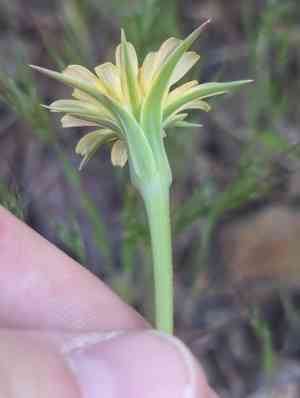
Lindleys silverpuffs (Microseris lindleyi)
Also known as: Lindley's False Dandelion, Coast Range Mule's Ears
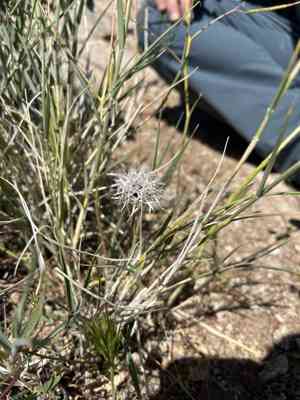
Lindley's silverpuffs are notable wildflowers recognized for their distinctive look and silvery seed tufts. These annual herbs are popular among pollinators and typically bloom in spring, especially in alpine regions. The common name, Microseris lindleyi, pays tribute to the British botanist John Lindley.
In This Article
Attributes of Lindleys silverpuffs
Lifespan
Annual
Plant Type
Herb
Plant Height
15 cm to 38 cm
Spread
10-20 cm
Leaf Color
Green
Flower Size
2 mm to 1 cm
Flower Color
White Yellow
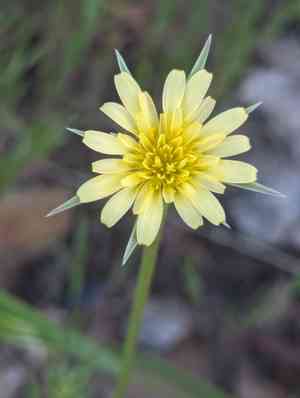
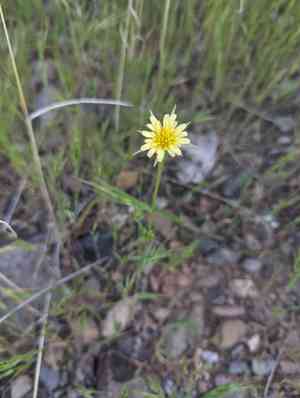
Images of Lindleys silverpuffs
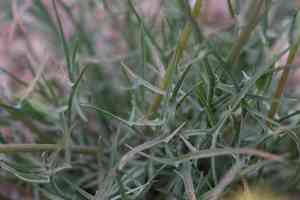
Quickly Identify Lindleys silverpuffs
1
To identify Microseris lindleyi, look for a rosette of basal leaves and bright yellow flowers borne on slender stems. The leaves are usually linear to lanceolate, and the flowers have a dandelion-like appearance.
Scientific Classification of Lindleys silverpuffs
Phylum
Vascular plants
Class
Dicotyledons
Order
Asterales
Family
Daisy
Genus
Yam daisy
Species
Lindleys silverpuffs
Planting and Growing of Lindleys silverpuffs
Care Difficulty
Easy
Watering Schedule
Every 2 days
Sunlight Requirements
Partial sun
Sunshine Duration
4-8 hours
Ideal Temperature
60-75℉
Soil Type
Potting Mix, Peat Mix
Soil pH
6.5-7.5
Fertilizer Type
Balanced
Pruning Season
Spring, Summer
Pruning Area
Branches, Leaves
Pruning Frequency
2 times a year
Repotting Season
Spring
Pot Type
Plastic, Ceramic
 How to Water Lindleys silverpuffs?
Microseris lindleyi prefers a well-balanced watering approach. Aim to keep the soil slightly moist but not waterlogged, ensuring about 200 ml each time. Watering should adequately reach the roots without pooling on the surface.
What are the symptoms of an underwatered Lindleys silverpuffs?
›
What should I do if my Lindleys silverpuffs is not getting enough water?
›
What are the symptoms of an overwatered Lindleys silverpuffs?
›
How to save an overwatered Lindleys silverpuffs?
›
 What Are the Sunlight Requirements for Lindleys silverpuffs?
Partial sun or full sunlight ensures that Microseris lindleyi grows optimally, providing it with enough energy for photosynthesis while avoiding excessive stress from heat.
What is the ideal lighting for Microseris lindleyi?
›
How to achieve ideal lighting conditions?
›
What benefits does ideal lighting bring?
›
 What Is the Ideal Temperature Range for Lindleys silverpuffs?
The ideal temperature range for Microseris lindleyi to thrive is between 60 and 75 degrees Fahrenheit. This range supports optimal growth conditions by maintaining a balance of temperatures that are neither too cool nor too warm, ensuring the plant can photosynthesize effectively while avoiding stress.
 What Soil is Best for Lindleys silverpuffs?
Microseris lindleyi thrives in well-draining soil to prevent root rot, which ensures healthy root development and growth. Providing such conditions mimics its natural habitat, encouraging robust plant health. The soil should maintain a pH between 6.5 to 7.5 to optimize nutrient uptake. This pH range ensures that the necessary nutrients remain available in the soil, fostering optimal growth and blooming. While Microseris lindleyi does not demand overly rich soils, incorporating moderate organic matter will enhance soil structure and fertility, promoting vigorous growth and resilience to environmental stresses.
 How to Fertilize Lindleys silverpuffs?
Microseris lindleyi thrives on balanced nourishment, but its requirements are fairly modest. When using liquid fertilizers, a concentration of 1/4 of the recommended label rate is usually adequate. For slow-release fertilizers, ensure the granules provide a steady supply of nutrients without overwhelming the plant. Aim for a total of 30 grams per application for slow-release formulas.
 How to Prune Lindleys silverpuffs?
Begin by observing the overall structure of your Microseris lindleyi plant. Identify any dead, damaged, or diseased stems. Remove these first to prevent the spread of disease and promote healthy growth. After removing the damaged stems, focus on shaping the plant. Cut back any overly long or unruly stems to ensure the plant maintains a compact and attractive form. Aim to cut back to a node, encouraging new, healthy growth. Throughout the growing seasons, regularly check for any signs of overgrowth or leggy branches. Regular trimming will help the plant prioritize energy towards blooming and maintaining an aesthetically pleasing shape.
More About Pruning Techniques→
 How to Propagate Lindleys silverpuffs plant?
1
Begin by selecting high-quality seeds. Ensure they are sourced from a reliable supplier to guarantee their viability and avoid any fungal contamination.
2
Prepare well-drained soil by mixing garden soil, compost, and sand. This will provide the seeds with a nutrient-rich environment that promotes healthy growth.
3
Sow the seeds evenly on the prepared soil surface, then cover them lightly with a thin layer of soil. Pattering ensures they have enough room to grow without overcrowding.
 How to Repot Lindleys silverpuffs plant?
1
A good indication that your Microseris lindleyi needs repotting is when roots start poking out of the drainage holes. Spring or autumn are perfect, as the plant experiences active growth this time, making it adaptable to new pots.
2
Select a pot that is just one size larger than the current one. This ensures that the plant isn't sitting in excess soil, which could retain too much moisture and lead to root rot. The pot must have drainage holes for optimum water management.
3
Choose a soil that is well-draining and has a balanced mix of peat and perlite. This type of soil provides adequate air circulation to the roots and prevents water from logging, making it perfect for this plant's needs.



