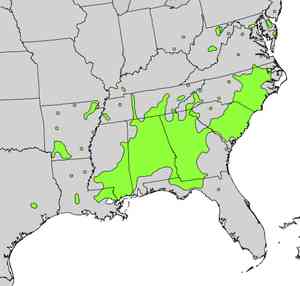
Southern Crabapple (Malus angustifolia)
Also known as: Wild Crabapple, Narrowleaf Crab
The Southern Crabapple (Malus angustifolia) is a deciduous shrub or small tree recognized for its prolific root sprouts and sprawling branches, forming a broad, rounded crown. In spring, it showcases fragrant pink to white flowers that create a charming and aromatic display. The plant features narrow, serrated leaves that turn yellow in the fall, complemented by its distinctive flaky bark. Its small, tart fruits, maturing in late summer to early fall, are often used in making jams and jellies. This shrub serves as a valuable food source for various small mammals and pollinators, making it an excellent choice for wildlife-friendly gardens. It thrives in well-drained soils and prefers full sun to partial shade.
Attributes of Southern Crabapple
Images of Southern Crabapple
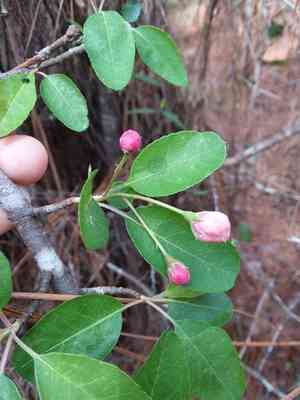
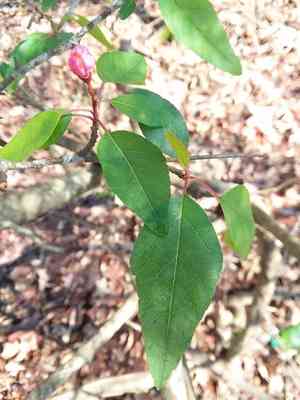
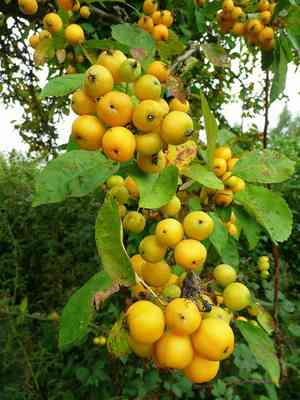
Quickly Identify Southern Crabapple
Scientific Classification of Southern Crabapple
Planting and Growing of Southern Crabapple
 How to Water Southern Crabapple?
 What Are the Sunlight Requirements for Southern Crabapple?
 What Is the Ideal Temperature Range for Southern Crabapple?
 What Soil is Best for Southern Crabapple?
 How to Fertilize Southern Crabapple?
 How to Prune Southern Crabapple?
 How to Propagate Southern Crabapple plant?
 How to Repot Southern Crabapple plant?
Toxicity of Southern Crabapple
Is Southern Crabapple toxic to cat?
The Southern Crabapple is known to possess mild toxic properties for cats. If felines ingest significant amounts of the plant's seeds, they may experience poisoning. Symptoms often include noticeable physical discomfort in the affected cat, indicating the likelihood of toxic ingestion. While the exact toxic compounds are not clearly identified, it is crucial for cat owners to keep their pets away from these seeds. Should there be any suspicion of poisoning, seeking prompt veterinary care is vital to safeguard the health of the cat.
Is Southern Crabapple toxic to dog?
The Southern Crabapple presents a minor toxicity risk to dogs. Canine poisoning generally arises when dogs ingest a significant quantity of the seeds from the Southern Crabapple. If consumed, possible symptoms may encompass gastrointestinal disturbances, including vomiting and diarrhea, with more serious manifestations depending on the volume ingested. It is vital for dog owners to keep a close watch on their pets and restrict their access to the seeds of the Southern Crabapple. Should there be any suspicion of a dog being poisoned by Southern Crabapple, prompt veterinary attention is crucial to guarantee appropriate treatment and recovery.



