How to Propagate Southern Crabapple?
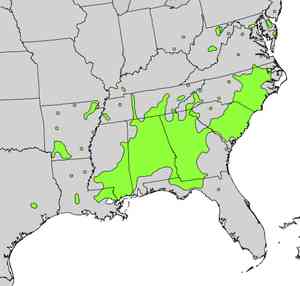
Southern Crabapple is most effectively propagated in the Fall and Winter seasons through diverse techniques like dormant wood cuttings, air layering, and seed planting. The level of propagation challenge differs, yet indicators of successful establishment are visible with fresh development. Essential advice involves applying rooting stimulant and detaching lower foliage prior to insertion.
Optimal Period for Southern Crabapple Propagation
Propagation Method
Cutting
Propagation Period
Autumn,Winter
Tools Required for Southern Crabapple Propagation
Sharp Pruning Shears
Used for making precise cuts from the parent southern Crabapple plant, sharp pruning shears help minimize damage to plant tissue. This is crucial as a clean cut promotes quicker healing and reduces the risk of disease at the cutting site.
Rooting Hormone Powder or Gel
This assists in stimulating root development from southern Crabapple cuttings. The hormone encourages faster root formation, which is vital for the successful establishment of new plants. Roots formed with rooting hormones are often stronger and more resilient.
Sterilizing Agent (e.g., Isopropyl Alcohol)
Before each use, tools should be disinfected with an agent like isopropyl alcohol to prevent disease transmission between plants. This is especially important when propagating southern Crabapple to ensure the health of both the parent plant and the cuttings.
Plant Pots with Drainage Holes
These containers are used for planting cuttings and allow for proper water drainage, preventing root rot and other moisture-related problems. Adequate drainage ensures that southern Crabapple cutting roots remain healthy and well-aerated.
Perlite or Vermiculite
These materials are blended into the potting mix to enhance aeration and drainage while also retaining moisture. They are particularly beneficial for southern Crabapple cuttings as they create an ideal rooting environment that fosters healthy root growth.
Plant Mister
Used to maintain humidity around southern Crabapple cuttings, a plant mister helps keep leaves moist, reducing water loss through transpiration while new roots form. Appropriate humidity levels are critical for cuttings to survive and thrive.
Plastic Wrap or Propagation Dome
Plastic wrap or a dome can be placed over cuttings to conserve moisture and create a greenhouse-like environment. This supports consistent humidity levels, which are essential for southern Crabapple cutting survival until roots develop.
Post-Propagation Care for Your Southern Crabapple
Post-Propagation Care for Your Southern Crabapple
Following propagation, continue to water the young southern Crabapple consistently, keeping the soil moist but not waterlogged. Provide a sunny location, as southern Crabapple prefers full sun to partial shade. Protect from harsh weather and offer support if needed as the young southern Crabapple establishes. As it grows, prune to maintain its shape and remove any dead or diseased wood. Monitor for pests and diseases common to southern Crabapple and treat promptly with appropriate methods.
Common Errors to Avoid When Propagating Southern Crabapple
Inadequate cutting selection
Choosing weak, diseased, or immature cuttings for propagation can impede the growth of southern Crabapple. Such cuttings are less likely to root and develop into robust plants.
Poor soil conditions
Using soil that drains poorly or lacks nutrients can lead to root rot or insufficient root development in southern Crabapple, which is detrimental to the plant's overall health and ability to establish.
Overwatering
Excessive watering can lead to waterlogged conditions that cause root rot in southern Crabapple cuttings, negatively impacting successful propagation.
Neglecting humidity
Southern Crabapple cuttings may require a specific humidity level to root successfully. Ignoring the need for humidity can result in the cutting drying out and failing to propagate.
Overusing hormones
Applying too much rooting hormone to southern Crabapple cuttings can have adverse effects, damaging the cutting's tissue and hindering root growth.
Tips for Propagating Southern Crabapple
Healthy cutting selection
Choose vigorous and healthy semi-hardwood cuttings from southern Crabapple to increase the chances of successful rooting and strong plant growth.
Appropriate soil mix
Use a well-draining soil mix rich in organic matter to promote good root development and provide adequate nutrients for the growing southern Crabapple cuttings.
Moderate watering
Keep the soil of southern Crabapple moist but not waterlogged. Proper watering encourages root formation without increasing the risk of root rot.
Humidity control
Maintain a balanced humidity level for southern Crabapple. Using a humidity dome or misting cuttings can help prevent them from drying out.
Judicious use of hormones
Apply an appropriate amount of rooting hormone to the cut end of southern Crabapple cuttings to promote healthy root development without causing damage.



