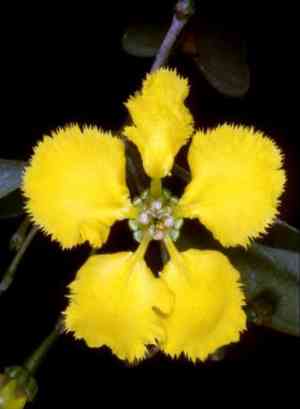
Singapore holly (Malpighia coccigera)
Also known as: Miniature holly, Wax malphighia
The shrub you're referring to is likely the Singapore holly (Malpighia coccigera). This low-growing evergreen features dark green, holly-like leaves, even though it isn't a true holly. During the summer, it produces white or pink, trumpet-shaped flowers, followed by red berries that attract birds. It's also popular as a bonsai tree.
In This Article
Attributes of Singapore holly
Lifespan
Perennial
Plant Type
Shrub
Plant Height
30 cm to 91 cm
Spread
60 cm to 1.5 m
Leaf Color
Green
Flower Size
2.5 cm
Flower Color
Pink White
Images of Singapore holly
Quickly Identify Singapore holly
1
Identify Malpighia coccigera by its small, glossy, dark green leaves with spiny edges, and its small, five-petaled pink flowers. The plant also produces small, red, berry-like fruits.
Scientific Classification of Singapore holly
Phylum
Vascular plants
Class
Dicotyledons
Order
Malpighiales
Family
Barbados cherry
Genus
Malpighia
Species
Singapore holly
Planting and Growing of Singapore holly
Care Difficulty
Easy
Watering Schedule
Every 10 days
Sunlight Requirements
Partial sun
Sunshine Duration
6-8 hours
Ideal Temperature
65-80℉
Soil Type
Potting Mix, Peat Mix
Soil pH
6.5-7.5
Fertilizer Type
Balanced
Pruning Season
Spring, Summer
Pruning Area
Branches, Leaves
Pruning Frequency
2 times a year
Repotting Season
Spring
Pot Type
Plastic, Ceramic
 How to Water Singapore holly?
When watering Malpighia coccigera, aim to drench the soil thoroughly while ensuring it does not become waterlogged. The soil should feel moist but not soggy, resembling a well-wrung sponge. Ensuring even moisture throughout the soil encourages healthy root growth and plant vitality.
What are the symptoms of an underwatered Singapore holly?
›
What should I do if my Singapore holly is not getting enough water?
›
What are the symptoms of an overwatered Singapore holly?
›
How to save an overwatered Singapore holly?
›
 What Are the Sunlight Requirements for Singapore holly?
Preferring partial sun to full sun, this plant thrives when it gets a healthy dose of 6-8 hours of sunlight per day. This light support ensures optimal growth and flowering efficiency.
More About Sunlight Requirements Techniques→
Optimal Sun Exposure Question
›
Solution for Ideal Lighting
›
Benefits of Ideal Sunlight
›
 What Is the Ideal Temperature Range for Singapore holly?
What is the ideal temperature range for growing Malpighia coccigera? The ideal temperature range for this plant is between 65°F and 80°F. It promotes optimal growth and ensures the plant's physiological processes function properly, leading to healthy foliage and flowering.
 What Soil is Best for Singapore holly?
Malpighia coccigera thrives in well-drained soil that prevents waterlogging. Proper drainage is crucial for root health, reducing the risk of root rot and promoting vigorous growth. This plant does well in soil with moderate fertility, avoiding overly rich soils that can lead to excessive foliage growth at the expense of fruiting. Incorporating organic matter like compost enhances soil structure and nutrient availability, benefiting the plant by promoting healthier leaves and blossoms.
 How to Fertilize Singapore holly?
For Malpighia coccigera, use a balanced 10-10-10 liquid fertilizer diluted to half strength. Apply 50 ml per plant, ensuring that the soil is moist before application to avoid any root burn.
 How to Prune Singapore holly?
Start by identifying and cutting away any dead or diseased branches to keep the shrub healthy and vibrant. Next, focus on shaping the plant by trimming the longer, overgrown stems down to the nodes, creating a more compact form. Finally, trim back the tips of the stems sparingly to encourage branching and flower production, leaving enough foliage for photosynthesis.
More About Pruning Techniques→
 How to Propagate Singapore holly plant?
1
Choose healthy, non-flowering stems for cuttings. The stems should be flexible but mature, usually at least 4 to 6 inches long. This ensures that the cuttings have enough stored nutrients to support new root growth.
2
Prepare a well-draining growing medium such as a mix of perlite and peat moss. The medium should be moist but not waterlogged, as excessive moisture can lead to rot. Fill containers with this medium to provide a supportive environment for rooting.
3
Dip the cut end of each cutting in rooting hormone, then gently insert it into the prepared growing medium. Ensure that at least one-third of the cutting is buried in the medium, providing stability and promoting root formation.
 How to Repot Singapore holly plant?
1
Malpighia coccigera needs repotting when you notice roots poking through the drainage holes, indicating that the plant has outgrown its current pot. Repotting this shrub during its active growing season in spring or summer promotes robust root development. Additionally, if the soil appears degraded or no longer retains moisture efficiently, it could be time to repot.
2
Select a pot that is only slightly larger than the current one to avoid waterlogging. Ensure the pot has ample drainage holes to prevent root rot. A clay or terracotta pot can enhance moisture evaporation and is preferable for preventing fungal diseases. This approach helps in maintaining an ideal balance between moisture and air circulation for the roots.
3
A well-draining, slightly acidic soil mix is ideal for Malpighia coccigera. Opt for a blend containing peat moss, perlite, and pine bark to ensure good drainage and air flow. Such a mix prevents waterlogged conditions while retaining enough moisture to nourish the plant, aiding in the development of healthy roots.
Learn More About Singapore holly Diseases
Anthracnose
Bacterial Leaf Spot
Bacterial Soft Rot
Crown Gall
Cyst Nematode
Damping-off
Drought Stress
Fusarium Wilt
Gray Mold
Leaf Curl
Leaf Spot
Mosaic
Nutrient Deficiency
Nutrient Toxicity
Powdery Mildew
Root Rot
Root-knot Nematode
Rusts
Sooty Mold
Spider Mites
Temperature Stress
Thrips Damage
White Mold
Chemical Injury



