Partridgefoot (Luetkea pectinata)
Also known as: Partridgefoot
Partridgefoot (Luetkea pectinata) is a perennial herb native to the alpine and subalpine regions of western North America. It thrives in moist, mountainous environments, such as the Pacific Northwest, often found in meadows and along streams. The plant reproduces through both seeds and rhizomes, the latter allowing it to spread efficiently across suitable habitats. Partridgefoot is well-adapted to rocky terrains and cold climates, demonstrating resilience against prolonged snow cover.
In This Article
Attributes of Partridgefoot
Lifespan
Perennial
Plant Type
Herb
Plant Height
10 cm to 15 cm
Spread
30 cm
Leaf Color
Green
Flower Size
2.5 cm
Flower Color
White Yellow Cream
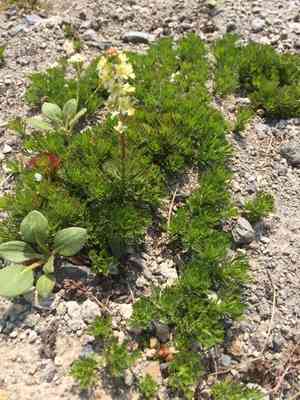
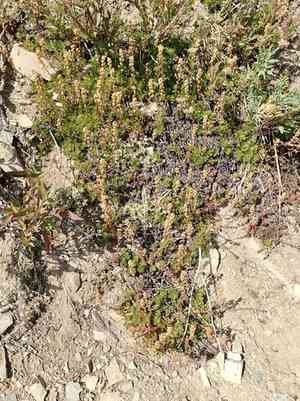
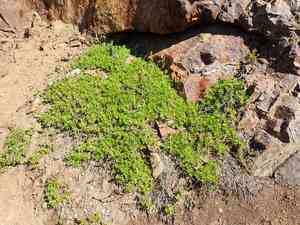
Images of Partridgefoot
Quickly Identify Partridgefoot
1
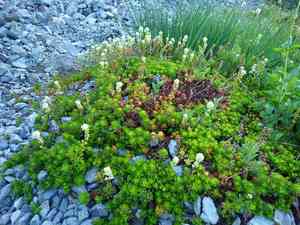
This plant can be identified by its compact, mat-forming habit with small, deeply lobed leaves and white, star-shaped flowers that form dense clusters.
Scientific Classification of Partridgefoot
Phylum
Vascular plants
Class
Dicotyledons
Order
Rosales
Family
Rose
Genus
Luetkea
Species
Partridgefoot
Planting and Growing of Partridgefoot
Care Difficulty
Easy
Watering Schedule
Every 4 days
Sunlight Requirements
Full sun
Sunshine Duration
6-10 hours
Ideal Temperature
60-70℉
Soil Type
Potting Mix, Peat Mix
Soil pH
6.5-7.5
Fertilizer Type
Balanced
Pruning Season
Spring, Summer
Pruning Area
Branches, Leaves
Pruning Frequency
2 times a year
Repotting Season
Spring
Pot Type
Plastic, Ceramic
 How to Water Partridgefoot?
For Luetkea pectinata, water thoroughly but ensure the soil is well-drained. Aim for about 200 ml each session, allowing the water to reach the roots without waterlogging the soil. This ensures the plant maintains healthy moisture levels.
What are the symptoms of an underwatered Partridgefoot?
›
What should I do if my Partridgefoot is not getting enough water?
›
What are the symptoms of an overwatered Partridgefoot?
›
How to save an overwatered Partridgefoot?
›
 What Are the Sunlight Requirements for Partridgefoot?
Luetkea pectinata thrives in partial sun conditions, with ideal exposure including several hours of morning sun and shade during the midday. Such exposure ensures robust foliage and vibrant flowering. This balanced light aids in consistent photosynthesis and efficient use of resources.
More About Sunlight Requirements Techniques→
What is the ideal light exposure for Luetkea pectinata?
›
How can I ensure Luetkea pectinata gets ideal lighting conditions?
›
What benefits does Luetkea pectinata gain from optimal lighting?
›
 What Is the Ideal Temperature Range for Partridgefoot?
Luetkea pectinata thrives in an environment where temperatures range between 60°F and 70°F. This temperature range mimics the plant’s native habitats, providing it with the ideal conditions for robust growth and healthy foliage.
 What Soil is Best for Partridgefoot?
Luetkea pectinata thrives in well-drained soils. Good drainage ensures the roots do not sit in water, preventing root rot and promoting healthy growth. It allows for proper aeration and nutrient uptake, critical for robust plant health. This plant prefers soils with moderate fertility, which supports balanced growth without over-fertilization. Too rich soil can encourage foliage growth over flowers, whereas moderate fertility promotes both healthy foliage and blooms. Though it requires well-drained soil, Luetkea pectinata benefits from sufficient moisture retention. This ensures that the plant receives adequate water without becoming waterlogged, crucial for sustained growth and blooming.
 How to Fertilize Partridgefoot?
For Luetkea pectinata, it is ideal to use a balanced 10-10-10 NPK fertilizer. Apply liquid fertilizer at a rate of one tablespoon per gallon of water. Ensure that you do not over-saturate the soil to avoid root damage.
 How to Prune Partridgefoot?
Prune Luetkea pectinata in the early spring when it is dormant. This allows any cuts to heal before the growing season begins in earnest. Target dead or old wood for removal, which promotes new healthy growth and ensures the plant stays vibrant and bushy throughout its life. When shaping the plant, cut just above a node or leaf pair at an angle, which encourages upward growth and prevents water accumulation on cuts.
More About Pruning Techniques→
 How to Propagate Partridgefoot plant?
1
Gather seeds in the early spring when they are mature. Inspect seeds for signs of disease or damage before preparing them for sowing.
2
Prepare a well-draining soil mixture, incorporating organic matter to improve nutrient content. This step is vital for seed germination and successful plant division.
3
Plant seeds at a shallow depth. For division, carefully separate sections of the plant with intact roots and replant immediately to ensure survival.
 How to Repot Partridgefoot plant?
1
A clear sign that it's time to repot Luetkea pectinata is when you notice roots protruding from the drainage holes of its current container, or if the soil seems compacted and water doesn't drain efficiently. Ideally, repotting should align with spring, a season when the plant actively grows, minimizing stress and maximizing recovery.
2
Selecting the proper pot is crucial for Luetkea pectinata. An ideal choice is a pot just slightly larger than the current one, to encourage root expansion without excessive water retention. Opt for a pot with adequate drainage holes to prevent root rot, a common issue when water doesn't drain properly.
3
Choosing the right soil for Luetkea pectinata involves selecting a well-draining, gritty mix. This type of soil ensures adequate aeration around the roots and prevents waterlogging, a key factor for maintaining healthy plant growth and preventing diseases related to overwatering.
Learn More About Partridgefoot Diseases
Anthracnose
Bacterial Leaf Spot
Bacterial Soft Rot
Bacterial Wilt
Black Spot
Chemical Injury
Crown Gall
Cyst Nematode
Damping-off
Downy Mildew
Drought Stress
Fusarium Wilt
Gray Mold
Leaf Curl
Leaf Spot
Mosaic
Nutrient Deficiency
Nutrient Toxicity
Powdery Mildew
Root Rot
Root-knot Nematode
Rusts
Sooty Mold
Spider Mites
Temperature Stress
Thrips Damage
White Mold



