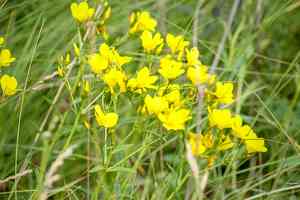
Golden flax (Linum flavum)
Also known as: Golden Flax, Yellow Flax
In cultivation this plant requires sharply drained soil in a sunny position. It is suitable for a rock garden or alpine garden. The cultivar 'Gemmell's Hybrid' has gained the Royal Horticultural Society's Award of Garden Merit.
In This Article
Attributes of Golden flax
Lifespan
Annual
Plant Type
Herb
Plant Height
30-45 cm
Spread
25-30 cm
Leaf Color
Green
Flower Size
2-3 cm
Flower Color
Yellow
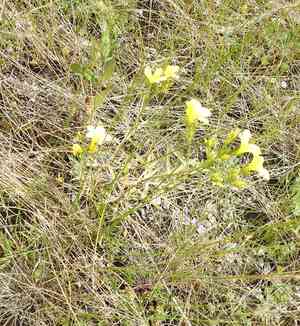
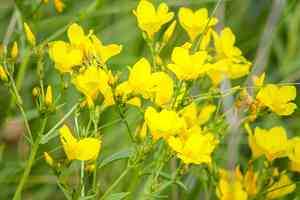
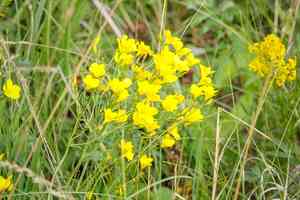
Images of Golden flax
Quickly Identify Golden flax
1
Linum flavum can be identified by its dense, bushy growth habit, narrow lance-shaped leaves, and vibrant yellow flowers that typically have five petals.
Scientific Classification of Golden flax
Phylum
Vascular plants
Class
Dicotyledons
Order
Malpighiales
Family
Flax
Genus
Flaxes
Species
Golden flax
Planting and Growing of Golden flax
Care Difficulty
Easy
Watering Schedule
Every 2 days
Sunlight Requirements
Full sun
Sunshine Duration
4-6 hours
Ideal Temperature
65-75℉
Soil Type
Potting Mix, Peat Mix
Soil pH
6-7.5
Fertilizer Type
Balanced
Pruning Season
Spring, Summer
Pruning Area
Branches, Leaves
Pruning Frequency
2 times a year
Repotting Season
Spring
Pot Type
Plastic, Ceramic
 How to Water Golden flax?
Linum flavum appreciates a moderate amount of water. Ensure that the soil is moist but not waterlogged, aiming for about 250 milliliters per watering session. Watering too little can lead to drought stress, while overwatering can cause root rot.
What are the symptoms of an underwatered Golden flax?
›
What should I do if my Golden flax is not getting enough water?
›
What are the symptoms of an overwatered Golden flax?
›
How to save an overwatered Golden flax?
›
 What Are the Sunlight Requirements for Golden flax?
Linum flavum prospers in a light range of full to partial sun, translating to improved blooming and foliage quality when situated in abundant light conditions.
What type of sunlight does Linum flavum prefer?
›
How can you ensure Linum flavum gets ideal sunlight?
›
What benefits does Linum flavum receive from ideal sunlight?
›
 What Is the Ideal Temperature Range for Golden flax?
The ideal temperature range for Linum flavum is between 65°F and 75°F. This range allows the plant to maintain optimal growth conditions, ensuring healthy development and flowering. In this temperature range, the metabolic processes of the plant function effectively, thereby enabling maximum absorption of nutrients and efficient photosynthesis.
 What Soil is Best for Golden flax?
Linum flavum thrives in well-drained soils, as excessive moisture can lead to root rot. Ensuring good drainage allows the roots to breathe and access essential nutrients, promoting healthy growth and vibrant blooms. While not overly demanding, Linum flavum benefits from soils with moderate fertility. A balanced nutrient supply ensures robust plant health and encourages prolific flowering, enhancing the plant's ornamental appeal. Preferring a slightly neutral to alkaline pH, Linum flavum performs best in soils that align with this preference. This pH range aids in nutrient availability and absorption, supporting the plant’s growth and flowering potential.
 How to Fertilize Golden flax?
For Linum flavum, it is crucial to use a balanced fertilizer with an NPK ratio close to 10-10-10. Apply liquid fertilizers by diluting to half the recommended strength to avoid root damage. When using slow-release fertilizers, apply approximately one tablespoon per square foot for ground plantings and half that for potted arrangements.
 How to Prune Golden flax?
Before you start pruning your Linum flavum, ensure you have the right tools. A pair of sharp pruning scissors or shears is essential to make clean cuts. It's also crucial to disinfect your tools with alcohol or a diluted bleach solution to prevent the spread of disease. Wear gloves to protect your hands, especially if your Linum is situated in a thorny or densely packed bed. Prepare a bin or bag to collect the cuttings, making the cleanup process hassle-free. Timing your pruning session is key to ensuring the health of your Linum flavum. Prune early in the morning or late in the afternoon to avoid the heat of the day, which can cause stress to the plant. Weather conditions should also be considered; try to prune on a dry day to reduce the risk of fungal infections. Additionally, be mindful of your plant's growth cycle. Avoid pruning during rapid growth phases or late autumn to prevent cutting off the flowering stems needed for next season's blooms.
More About Pruning Techniques→
 How to Propagate Golden flax plant?
1
Dry mature pods should be collected from the Linum flavum plant. These pods can be opened carefully to gather seeds for propagation. Ensure the seeds are fully developed and free from any signs of disease.
2
Select healthy stems from the parent plant and cut them just below a node. Remove the lower leaves to prevent rotting and dip the cut end in rooting hormone to encourage root development.
3
Fill seed trays with a mix of compost and sand for best drainage. Sow the seeds lightly on the surface and cover them with a thin layer of soil. Water gently to settle the seeds in place.
 How to Repot Golden flax plant?
1
Signs that your Linum flavum needs repotting include roots growing out of the drainage holes, the plant becoming root-bound, or the soil drying out too quickly. Spring and early summer are ideal times to repot, as the plant will have an entire growing season to establish itself in its new home.
2
Opt for a pot that is slightly larger than the current one with adequate drainage holes. This helps prevent waterlogging, which can cause root rot. A 1-2 inch increase in diameter is typically sufficient to accommodate new root growth without causing the plant to expend too much energy growing into an overly large pot.
3
Select a well-draining loamy soil mix that contains perlite or sand. This mixture ensures good aeration and drainage, which are crucial for maintaining healthy roots. Such soil conditions mirror the plant's native environment, promoting robust growth and helping to prevent water accumulation at the roots.
Toxicity
Ingestion
WARNING
The judgment on toxicity and danger is for reference only. We DO NOT GUARANTEE any accuracy of such judgment. Therefore, you SHALL NOT rely on such judgment. It is IMPORTANT TO SEEK PROFESSIONAL ADVICE in advance when necessary.
Learn More About Golden flax Diseases
Anthracnose
Bacterial Leaf Spot
Bacterial Soft Rot
Bacterial Wilt
Chemical Injury
Crown Gall
Cyst Nematode
Damping-off
Downy Mildew
Drought Stress
Fusarium Wilt
Gray Mold
Leaf Spot
Mosaic
Nutrient Deficiency
Nutrient Toxicity
Powdery Mildew
Root Rot
Root-knot Nematode
Rusts
Sooty Mold
Spider Mites
Temperature Stress
Thrips Damage
White Mold



