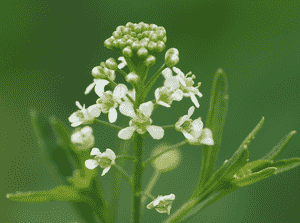
Virginia pepperweed (Lepidium virginicum)
Also known as: Wild pepper grass
Virginia pepperweed (Lepidium virginicum) is a North American native plant, though it is not found in some regions of Canada. Known for its peppery flavor, every part of this plant is edible and can serve as an alternative to black pepper.
In This Article
Attributes of Virginia pepperweed
Lifespan
Annual, Biennial, Perennial
Plant Type
Herb
Plant Height
10 cm to 50 cm
Spread
15 cm to 23 cm
Leaf Color
Green Yellow
Flower Size
0.4 mm to 0.7 mm
Flower Color
White Green
Images of Virginia pepperweed
Quickly Identify Virginia pepperweed
1
To identify Lepidium virginicum, look for its small white flowers arranged in racemes, lanceolate leaves, and spicy, peppery flavor. The fruit is a small, round silique that turns brown when mature.
Scientific Classification of Virginia pepperweed
Phylum
Vascular plants
Class
Dicotyledons
Order
Mustards, capers, and allies
Family
Cruciferae
Genus
Peppercresses
Species
Virginia pepperweed
Planting and Growing of Virginia pepperweed
Care Difficulty
Easy
Watering Schedule
Every 4 days
Sunlight Requirements
Full sun
Sunshine Duration
6-10 hours
Ideal Temperature
60-70℉
Soil Type
Potting Mix, Peat Mix
Soil pH
6.5-7.5
Fertilizer Type
Balanced
Pruning Season
Spring, Summer
Pruning Area
Leaves, Branches
Pruning Frequency
2 times a year
Repotting Season
Spring
Pot Type
Plastic, Ceramic
 How to Water Virginia pepperweed?
When watering Lepidium virginicum, the soil should be moistened evenly but not saturated. Aim for around 250 milliliters per session, ensuring the water reaches the roots without causing waterlogging.
What are the symptoms of an underwatered Virginia pepperweed?
›
What should I do if my Virginia pepperweed is not getting enough water?
›
What are the symptoms of an overwatered Virginia pepperweed?
›
How to save an overwatered Virginia pepperweed?
›
 What Are the Sunlight Requirements for Virginia pepperweed?
Partial sun to full sun exposure is optimal, promoting healthy growth, strong foliage, and vibrant flowering in Lepidium virginicum. The ideal light range ensures robust photosynthesis and nutrient production.
Optimal Sunlight Hours
›
Lighting Adjustments
›
Light Quality
›
 What Is the Ideal Temperature Range for Virginia pepperweed?
The ideal temperature range for growing Lepidium virginicum is between 60°F and 70°F. This range provides an optimal environment for photosynthesis, nutrient uptake, and overall physiological processes, ensuring robust growth. Maintaining temperatures within this range helps prevent stress and maximizes plant health and productivity.
 What Soil is Best for Virginia pepperweed?
Lepidium virginicum thrives best in well-drained soil, preventing root rot and other detrimental conditions caused by excess water. Ensuring the soil drains well helps maintain the plant’s health and encourages optimal growth. This plant prefers soil that is rich in organic matter, supplying essential nutrients that support robust growth and vitality. Amending soil with compost or well-rotted manure enhances the nutrient content, benefiting the plant's development. A slightly acidic to neutral pH level (6.5 - 7.5) is ideal for Lepidium virginicum, as it allows for maximum nutrient absorption, promoting overall plant health. Regular pH testing ensures the soil remains within this optimal range.
 How to Fertilize Virginia pepperweed?
Lepidium virginicum requires a balanced approach to fertilization. Start with a small amount, such as 1/4 teaspoon of liquid fertilizer diluted in water. Over time, observe and adjust based on the plant's response, ensuring not to overwhelm it with an excess of nutrients. This plant typically thrives with minimal intervention, respecting its resilience and adaptability.
 How to Prune Virginia pepperweed?
Start by identifying stems that are diseased, dead, or dying. Use sharp pruners to cut them back to the base, promoting healthier growth and better airflow within the plant. Prune back excessively long stems selectively to maintain the desired shape and size of the Lepidium virginicum. This not only keeps the plant looking tidy but also encourages robust, bushy growth.
 How to Propagate Virginia pepperweed plant?
1
Choose fresh seeds from a reliable source. Ensure the seeds are not expired and have been stored in a cool, dry place to maintain viability.
2
Fill the seed tray with potting mix, ensuring it is evenly distributed. Moisten the mix slightly before sowing seeds to facilitate germination.
3
Disperse seeds evenly on the potting mix surface. Lightly cover them with a thin layer of soil and gently water to settle the seeds.
 How to Repot Virginia pepperweed plant?
1
Lepidium virginicum signals its need for repotting when you notice roots emerging from the drainage holes or when growth seems stunted despite proper care. This typically happens every couple of years as the plant grows larger. The best time to repot is during the growing seasons of spring or summer when the plant recovers better from the stress of repotting.
2
Select a pot just one or two sizes larger than the current one to avoid excess water retention, which can lead to root rot. The pot should have adequate drainage holes to allow excess water to escape. Using a slightly larger pot helps the plant establish itself without overwhelming its roots with too much soil.
3
Opt for a well-draining potting mix that contains components like perlite or sand. This kind of soil prevents water retention, promoting healthy root development and reducing the risk of root rot. Such a medium enriches the plant’s growth by providing both the anchor and the nutritional support it requires.
Learn More About Virginia pepperweed Diseases
Anthracnose
Bacterial Leaf Spot
Bacterial Soft Rot
Clubroot
Crown Gall
Cyst Nematode
Damping-off
Downy Mildew
Drought Stress
Fusarium Wilt
Gray Mold
Leaf Spot
Mosaic
Nutrient Deficiency
Nutrient Toxicity
Powdery Mildew
Root Rot
Root-knot Nematode
Rusts
Sooty Mold
Spider Mites
Temperature Stress
Thrips Damage
White Mold



