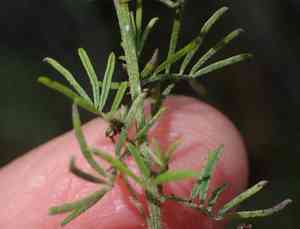
Indigofera verrucosa (Indigofera verrucosa)
Also known as: Warty-leaved Indigo, Verrucose Indigo
Indigofera verrucosa is characterized by its small, pea-like purple flowers and pinnate leaves with a notable waxy texture. Its stems are adorned with wart-like protrusions, hinting at its 'verrucosa' namesake. Thriving in sunny, open spaces, indigofera verrucosa is well adapted to survive in various soils, exhibiting remarkable resilience. As a member of the Indigofera genus, it is adept at enriching soil with nitrogen, playing a vital role in its ecosystem.
In This Article
Attributes of Indigofera verrucosa
Lifespan
Perennial
Plant Type
Shrub
Plant Height
0.5 to 1.2 meters
Spread
0.5 to 1 meter
Leaf Color
Green
Flower Size
1 to 1.5 centimeters
Flower Color
Pink to purple
Images of Indigofera verrucosa
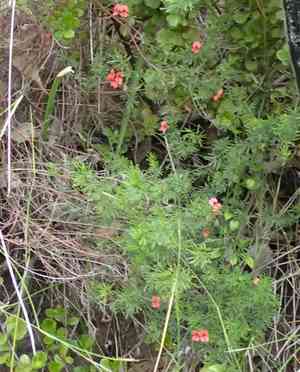
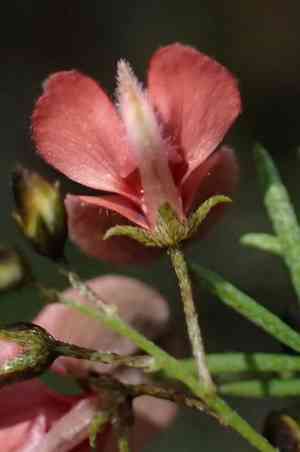
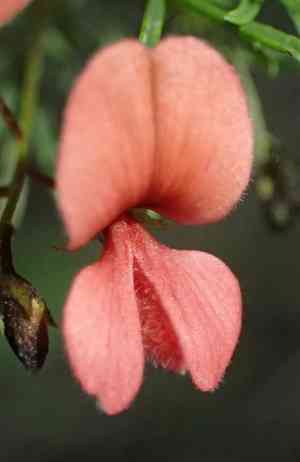
Quickly Identify Indigofera verrucosa
1
The plant can be identified by its wart-like protrusions on the leaves, small pinnate leaflets, and clusters of pink to purplish flowers. The pods are small and cylindrical.
Scientific Classification of Indigofera verrucosa
Phylum
Vascular plants
Class
Dicotyledons
Order
Fabales
Family
Legume
Genus
Indigofera
Species
Indigofera verrucosa
Planting and Growing of Indigofera verrucosa
Care Difficulty
Moderate
Watering Schedule
Every 3 days
Sunlight Requirements
Full sun
Sunshine Duration
4-8 hours
Ideal Temperature
65-75℉
Soil Type
Potting Mix, Peat Mix
Soil pH
6.5-7.5
Fertilizer Type
Balanced
Pruning Season
Spring, Summer
Pruning Area
Branches, Leaves
Pruning Frequency
2 times a year
Repotting Season
Spring
Pot Type
Plastic, Ceramic
 How to Water Indigofera verrucosa?
For Indigofera verrucosa, the watering amount should reflect the principle of thorough soaking yet without drowning the roots. It is critical to water this plant until the soil feels uniformly moist but ensure the water drains completely through the pot's hole.
What are the symptoms of an underwatered Indigofera verrucosa?
›
What should I do if my Indigofera verrucosa is not getting enough water?
›
What are the symptoms of an overwatered Indigofera verrucosa?
›
How to save an overwatered Indigofera verrucosa?
›
 What Are the Sunlight Requirements for Indigofera verrucosa?
Indigofera verrucosa prefers full sun to partial sun. Ideal lighting promotes flowering and robust foliage, enhancing its ornamental value and ensuring healthy photosynthetic activity.
What is the ideal amount of sunlight for Indigofera verrucosa?
›
How can I ensure that Indigofera verrucosa gets the right amount of light indoors?
›
What benefits does proper lighting provide to Indigofera verrucosa?
›
 What Is the Ideal Temperature Range for Indigofera verrucosa?
The ideal temperature range for Indigofera verrucosa is between 65°F and 75°F. Within this range, the plant can thrive abundantly, producing healthy foliage and vibrant flowers. Maintaining temperatures in this range ensures that the physiological processes of the plant, such as photosynthesis and nutrient uptake, occur efficiently.
 What Soil is Best for Indigofera verrucosa?
Indigofera verrucosa thrives in well-drained soils where excess water can flow easily, preventing waterlogging which can lead to root rot. This is beneficial for maintaining healthy roots and promoting robust plant growth. Using a nutrient-rich soil enhances this plant's growth, providing necessary minerals and organic matter. A fertile environment aids in its vigorous leaf and flower development. While good drainage is crucial, maintaining a certain level of moisture ensures that Indigofera verrucosa remains hydrated, without being too wet. This balance supports consistent development and reduces plant stress.
 How to Fertilize Indigofera verrucosa?
Indigofera verrucosa, known for its elegant foliage, requires a balanced approach to fertilization. Use a water-soluble, balanced fertilizer, such as a 10-10-10, applying approximately one tablespoon per gallon of water. This measure ensures that the plant receives adequate nutrients without risking over-fertilization.
 How to Prune Indigofera verrucosa?
Begin by gathering the necessary tools, including sharp pruning shears and gloves. Start by removing any dead or damaged branches, slicing them cleanly at a 45-degree angle to promote healing. Focus on trimming back to healthy, outward-facing buds to shape the plant naturally. First, assess the plant to identify overgrown or crossed branches. Gradually trim these back to enhance air circulation and reduce the risk of pest infestations. Aim to achieve a balanced look by selectively pruning around the plant, ensuring even sunlight reaches all parts.
More About Pruning Techniques→
 How to Propagate Indigofera verrucosa plant?
1
Select healthy and mature seeds for propagation. Soak the seeds in water for 24 hours to soften the seed coat, which will enhance germination rates. Inspect the seeds for any signs of damage before proceeding.
2
Choose a healthy, non-flowering stem from the parent plant. Use pruning shears to cut a 4-6 inch section just below a leaf node. Remove the lower leaves, leaving a few at the top, to reduce moisture loss.
3
Place the prepared cutting in a pot filled with well-draining soil. Water the cutting thoroughly and ensure the soil remains moist but not waterlogged. Place the pot in a location with indirect sunlight.
 How to Repot Indigofera verrucosa plant?
1
Indigofera verrucosa indicates it's time to repot when its roots start poking through the drainage holes or when the growth noticeably stalls. Another sign might be the rapid drying out of soil after watering. These cues highlight the need for more space and a fresh growing medium. Ideally, repotting should occur during active growth phases for minimal disruption.
2
Choose a pot slightly larger than the current one, emphasizing adequate drainage over sheer size. Ceramic or terracotta pots help solve root-bound issues by providing breathability, but plastic is lighter and retains moisture better. Ensure the pot has enough drainage holes to prevent waterlogging, which can lead to root rot, ensuring your plant remains healthy and vibrant.
3
Opt for a well-draining soil mix with a balanced composition of perlite, peat, and organic matter, promoting healthy root development and avoiding water retention. A high-quality mix prevents clumping, allowing roots to breathe and absorb nutrients efficiently. This choice ensures Indigofera verrucosa thrives and supports robust, lasting growth.
Toxicity
Ingestion
WARNING
The judgment on toxicity and danger is for reference only. We DO NOT GUARANTEE any accuracy of such judgment. Therefore, you SHALL NOT rely on such judgment. It is IMPORTANT TO SEEK PROFESSIONAL ADVICE in advance when necessary.
Learn More About Indigofera verrucosa Diseases
Anthracnose
Bacterial Leaf Spot
Bacterial Wilt
Crown Gall
Cyst Nematode
Damping-off
Downy Mildew
Drought Stress
Fusarium Wilt
Gray Mold
Leaf Curl
Leaf Spot
Mosaic
Nutrient Deficiency
Nutrient Toxicity
Powdery Mildew
Root Rot
Root-knot Nematode
Rusts
Sooty Mold
Spider Mites
Temperature Stress
Thrips Damage
White Mold



