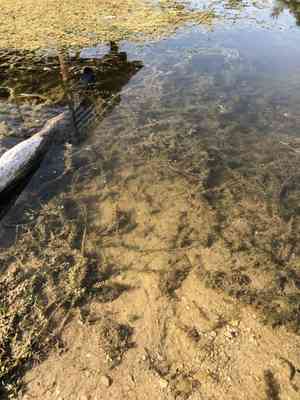
Waterthyme (Hydrilla verticillata)
Also known as: Florida elodea, Esthwaite waterweed
Water hyacinth (*Eichhornia crassipes*) is a potentially invasive aquatic plant known for its ability to establish itself in both fresh and brackish water environments. It can form dense mats on the water's surface and has robust, drought and freeze-tolerant roots. This characteristic allows it to persist in various conditions, making it a challenging species to manage.
In This Article
Attributes of Waterthyme
Lifespan
Perennial, Annual
Plant Type
Herb
Plant Height
1 m to 2 m
Spread
Not applicable to submerged aquatic plants
Leaf Color
Green
Flower Size
6 mm
Flower Color
White
Images of Waterthyme
Quickly Identify Waterthyme
1
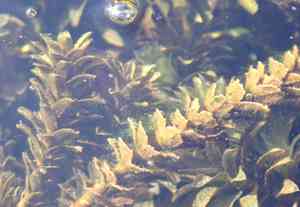
Whorls of 4-8 serrated, pointed leaves, 5/16 inches (8 mm) long.
2
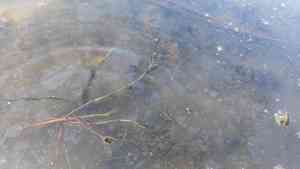
Long, slender stems up to 25 feet (7.6 meters) forming dense mats.
3
Dioecious white flowers with 6 petals, male flowers float and disperse pollen.
4
Lanceolate leaves with serrated edges, translucent to opaque green.
5
Smooth, green stem up to 30 feet (9 meters) with profuse branching near water surface.
Scientific Classification of Waterthyme
Phylum
Vascular plants
Class
Monocotyledons
Order
Water plantains and allies
Family
Tape-grass
Genus
Waterthyme
Species
Waterthyme
Planting and Growing of Waterthyme
Care Difficulty
Easy
Watering Schedule
Every 4 days
Sunlight Requirements
Full sun
Sunshine Duration
4-6 hours
Ideal Temperature
75-86℉
Soil Type
Potting Mix, Peat Mix
Soil pH
6.5-7.5
Fertilizer Type
Balanced
Pruning Season
Spring, Summer
Pruning Area
Branches, Leaves
Pruning Frequency
2 times a year
Repotting Season
Spring
Pot Type
Plastic, Ceramic
 How to Water Waterthyme?
Hydrilla verticillata thrives in waterlogged or submerged conditions, so water it generously. Aim for a consistent moisture level; this means the water should cover the plant completely, about 500 ml should suffice per watering to ensure it remains submerged and healthy.
What are the symptoms of an underwatered Waterthyme?
›
What should I do if my Waterthyme is not getting enough water?
›
What are the symptoms of an overwatered Waterthyme?
›
How to save an overwatered Waterthyme?
›
 What Are the Sunlight Requirements for Waterthyme?
Ideal light for Hydrilla verticillata is partial to full sun. Achieving this light range ensures robust growth, effective nutrient absorption, and enhanced ecological contributions such as oxygen production in aquatic settings.
More About Sunlight Requirements Techniques→
What is the optimal light level for Hydrilla verticillata?
›
How can you provide ideal lighting for Hydrilla verticillata?
›
What are the benefits of ideal lighting for Hydrilla verticillata?
›
 What Is the Ideal Temperature Range for Waterthyme?
The ideal temperature range for Hydrilla verticillata is between 75°F and 86°F. This range ensures optimal growth and photosynthesis efficiency. Maintaining temperatures within this range encourages healthy plant development and reduces the risk of temperature-induced stress, leading to more vibrant and robust water ecosystems.
 What Soil is Best for Waterthyme?
Hydrilla verticillata thrives in soil that retains moisture well, as it mimics its natural aquatic habitat. Consistent moisture ensures optimal growth and prevents wilt, which is crucial for its health. This plant requires nutrient-rich soil to support its rapid growth and dense foliage. Loamy soil, rich in organic matter, provides the perfect balance of nutrients to keep Hydrilla verticillata lush and green. While moisture is essential, the soil must also offer good drainage to prevent waterlogging, which can lead to root rot. Sandy soil ensures that excess water drains away, giving the roots just enough hydration.
 How to Fertilize Waterthyme?
For Hydrilla verticillata, ensure a moderate and balanced nutrient supply. Typically, use liquid fertilizers with a concentration of 5-10 ml per gallon of water. This concentration provides essential nutrients without overwhelming the plant, promoting healthy growth and vibrant foliage.
 How to Prune Waterthyme?
Begin by assessing the current state of the Hydrilla verticillata. Identify parts of the plant that are overgrown, damaged, or shading lower parts. Make a plan to trim these areas first to improve the overall health of the plant. Trim the plant just above a whorl of leaves, ensuring a clean cut to promote healthy regrowth. Removing excess length helps manage the plant's growth and allows nutrients to concentrate on more essential parts. Properly dispose of the trimmings, especially in outdoor settings, to prevent the spread of Hydrilla, which is considered invasive in many regions. Contain and dispose of the cuttings according to local guidelines.
More About Pruning Techniques→
 How to Propagate Waterthyme plant?
1
Choose a healthy, vigorous plant for taking cuttings or divisions. This ensures that the new plants have the best chance of thriving and reduces the likelihood of spreading disease.
2
Using the sharp scissors, make a precise cut of about 4-6 inches long from a healthy stem. For division, gently separate a part of the plant, ensuring roots remain intact.
3
Place the cuttings or divisions in the prepared trays, lightly water them, and maintain warmth and humidity. Avoid direct sunlight to prevent stress on the young plants.
 How to Repot Waterthyme plant?
1
Repot Hydrilla verticillata when it shows signs of constrained growth, such as roots peeking out of the drainage holes, or the plant visibly suffering due to lack of space. Spring and summer are ideal for repotting as the plant is in an active growth phase.
2
Choose a spacious, wide container with ample depth to accommodate Hydrilla's extensive root system. A broader surface area allows the plant to expand, promoting healthier growth and ensuring the roots are not cramped, thus facilitating proper nutrient absorption.
3
Opt for a rich aquatic soil that retains moisture yet remains breathable. This ensures that the roots remain hydrated without becoming waterlogged, allowing for optimal nutrient uptake and vigorous growth.



