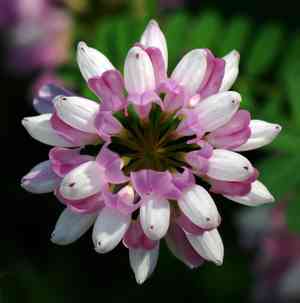
Hosackia rosea (Hosackia rosea)
Also known as: None
Hosackia rosea, known for its attractive pink to rose-hued flowers, flourishes in environments such as coastal scrub, grasslands, and open woodlands. This perennial herb prefers well-drained soils and is commonly found on slopes or in meadows. It thrives in areas with full sunlight to partial shade. The plant's pinnate leaves and sprawling growth habit enhance its appeal, while its blossoms, which appear during warmer months, attract a variety of pollinators, contributing to a healthy ecosystem.
In This Article
Attributes of Hosackia rosea
Lifespan
Perennial
Plant Type
Herb
Plant Height
10-30 cm
Spread
Varies, generally not exceeding plant height significantly
Leaf Color
Green
Flower Size
1-2 cm
Flower Color
Pink
Images of Hosackia rosea
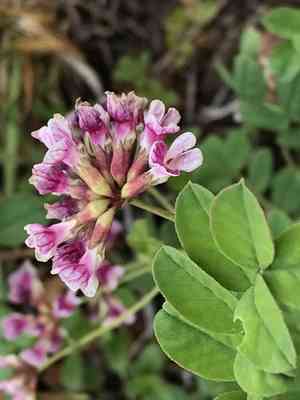
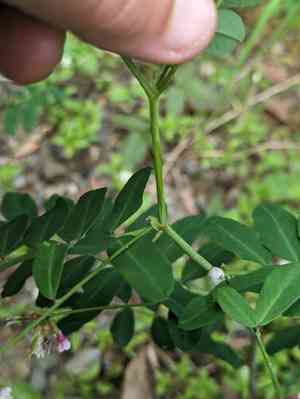
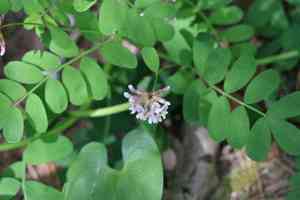
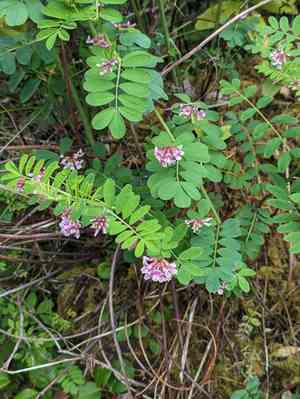
Quickly Identify Hosackia rosea
1
Look for clusters of pink flowers and compound leaves with multiple leaflets. The plant typically forms spreading or trailing stems.
Scientific Classification of Hosackia rosea
Phylum
Vascular plants
Class
Dicotyledons
Order
Fabales
Family
Legume
Genus
Hosackia
Species
Hosackia rosea
Planting and Growing of Hosackia rosea
Care Difficulty
Moderate
Watering Schedule
Every 2 days
Sunlight Requirements
Partial sun
Sunshine Duration
6-10 hours
Ideal Temperature
60-75℉
Soil Type
Potting Mix, Peat Mix
Soil pH
6-7.5
Fertilizer Type
Balanced
Pruning Season
Spring, Summer
Pruning Area
Branches, Leaves
Pruning Frequency
2 times a year
Repotting Season
Spring
Pot Type
Plastic, Ceramic
 How to Water Hosackia rosea?
Hosackia rosea requires careful watering based on soil moisture rather than a fixed schedule. Ideally, the soil should be moist but not waterlogged. A good rule of thumb is to allow the top inch of soil to dry out before watering again.
What are the symptoms of an underwatered Hosackia rosea?
›
What should I do if my Hosackia rosea is not getting enough water?
›
What are the symptoms of an overwatered Hosackia rosea?
›
How to save an overwatered Hosackia rosea?
›
 What Are the Sunlight Requirements for Hosackia rosea?
Hosackia rosea prefers partial sun for 4-6 hours daily, ideally in a setting that simulates diffused sunlight. Proper lighting will promote healthy growth and vibrant blooms, maximizing the plant's visual appeal and health.
What type of light does Hosackia rosea need?
›
How to achieve ideal lighting for Hosackia rosea?
›
What are the benefits of ideal lighting for Hosackia rosea?
›
 What Is the Ideal Temperature Range for Hosackia rosea?
The ideal temperature range for Hosackia rosea is between 60°F and 75°F. This range provides a comfortable environment that maximizes growth and flowering while minimizing stress on the plant. Maintaining temperatures in this range encourages optimal physiological functions.
 What Soil is Best for Hosackia rosea?
Hosackia rosea thrives in well-drained soil, which prevents root rot and provides adequate aeration. This type of soil ensures the roots have enough oxygen, promoting healthy growth and vibrant blooms. A nutrient-rich substrate rich in organic matter supports Hosackia rosea by providing essential nutrients that aid in growth and flower production, making it a centerpiece in any garden setting. Soil with moderate moisture retention ensures Hosackia rosea receives consistent hydration without becoming waterlogged. This balance is crucial for maintaining plant vitality and preventing stress.
 How to Fertilize Hosackia rosea?
Hosackia rosea requires a balanced fertilizer with a ratio like 10-10-10. For liquid fertilizer, dilute it to half its strength. Apply about 1 tablespoon of liquid fertilizer per gallon of water for every application to avoid overfeeding.
 How to Prune Hosackia rosea?
Begin by observing your plant to identify any dead or damaged stems that need removal. Look for areas where the growth is particularly dense and may benefit from thinning. Make clean, angled cuts just above a leaf node or bud to promote new growth. Angled cuts help water run off, preventing disease from entering cut areas. After pruning, give your plant adequate water and avoid fertilizing immediately to prevent stress. Monitor for any signs of shock but expect a resurgence in flowering and vigor.
More About Pruning Techniques→
 How to Propagate Hosackia rosea plant?
1
To propagate from seeds, start by filling seed trays with a well-draining potting mix. Water the soil lightly before sowing the seeds evenly across the surface and covering them lightly with soil.
2
Choose healthy stems and cut 4-6 inch sections just below a node. Remove the lower leaves and dip the cut ends in rooting hormone before planting them in a propagating medium.
3
Once seedlings have developed a few true leaves, carefully transplant them into individual pots to allow for further growth before moving them to their outdoor location.
 How to Repot Hosackia rosea plant?
1
For Hosackia rosea, repotting is optimal when you notice the roots starting to circle the pot or peeking out from the drainage holes. Additionally, if the plant experiences slow growth or the soil appears compacted, these are signals to consider repotting. Choose a cool, overcast day in spring or autumn to minimize transplant shock.
2
Select a pot that is only slightly larger than the current one to prevent overwatering. The ideal pot will have ample drainage holes to ensure excess water drains away quickly, promoting healthier root growth. This approach reduces the risk of root rot and mimics the plant's natural environment.
3
Opt for a well-draining loamy soil mix that contains organic matter and some sand. This mixture helps retain the right amount of moisture while allowing excess water to escape, fostering a suitable environment for root health. Proper soil selection will prevent the common issue of overwatering and provide stability to the plant.
Learn More About Hosackia rosea Diseases
Anthracnose
Bacterial Leaf Spot
Bacterial Wilt
Crown Gall
Cyst Nematode
Damping-off
Downy Mildew
Drought Stress
Fusarium Wilt
Gray Mold
Leaf Spot
Mosaic
Nutrient Deficiency
Nutrient Toxicity
Powdery Mildew
Root Rot
Root-knot Nematode
Rusts
Sooty Mold
Spider Mites
Temperature Stress
Thrips Damage
White Mold



