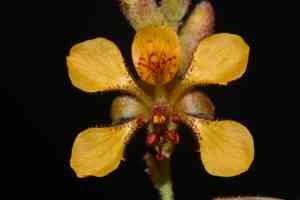
Indian rushpea (Hoffmannseggia glauca)
Also known as: Hog potato
Hoffmannseggia glauca, commonly known as Indian rushpea, is native to the western United States. Indigenous people in parts of America consumed its tubers and bulbs by eating them raw, boiling, or roasting them, making the plant a versatile food source.
In This Article
Attributes of Indian rushpea
Lifespan
Perennial
Plant Type
Herb
Plant Height
30 cm
Spread
30-45 cm
Leaf Color
Green
Flower Size
5 cm to 15 cm
Flower Color
Yellow
Images of Indian rushpea
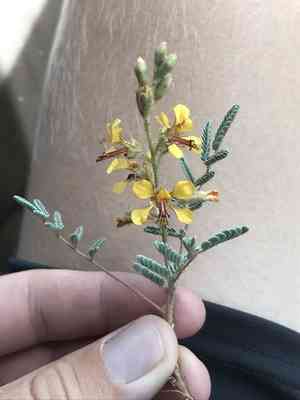
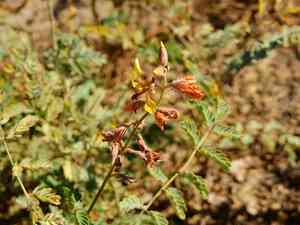
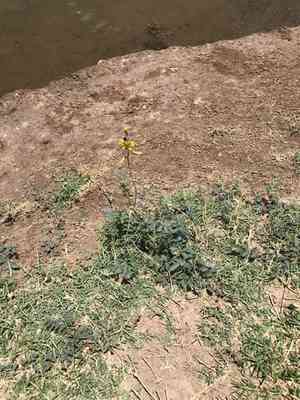
Quickly Identify Indian rushpea
1
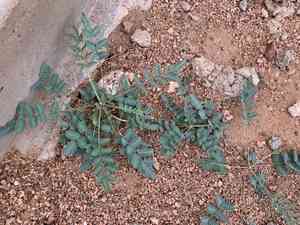
This plant can be identified by its pinnately compound leaves, bright yellow flowers with red specks, and its overall bushy appearance. The plant often grows in dry, open areas and has a distinct root system that makes it difficult to pull out.
Scientific Classification of Indian rushpea
Phylum
Vascular plants
Class
Dicotyledons
Order
Fabales
Family
Legume
Genus
Rushpeas
Species
Indian rushpea
Planting and Growing of Indian rushpea
Care Difficulty
Easy
Watering Schedule
Every 2 days
Sunlight Requirements
Full sun
Sunshine Duration
4-8 hours
Ideal Temperature
68-86℉
Soil Type
Potting Mix, Peat Mix
Soil pH
6.5-7.5
Fertilizer Type
Balanced
Pruning Season
Spring, Summer
Pruning Area
Branches, Leaves
Pruning Frequency
2 times a year
Repotting Season
Spring
Pot Type
Plastic, Ceramic
 How to Water Indian rushpea?
Hoffmannseggia glauca prefers to be watered until the soil is evenly moist but not waterlogged. The general principle here is to ensure the soil is kept slightly dry between waterings, as this reduces the risk of root rot and helps simulate its natural arid environment.
What are the symptoms of an underwatered Indian rushpea?
›
What should I do if my Indian rushpea is not getting enough water?
›
What are the symptoms of an overwatered Indian rushpea?
›
How to save an overwatered Indian rushpea?
›
 What Are the Sunlight Requirements for Indian rushpea?
Hoffmannseggia glauca thrives under full sun conditions, requiring 8-10 hours of daily sunlight to maintain health, support vigorous growth, and encourage abundant blooming.
Solutions for Ideal Lighting
›
Specific Actions for Optimal Light
›
Benefits of Optimal Lighting
›
 What Is the Ideal Temperature Range for Indian rushpea?
The ideal temperature range for cultivating Hoffmannseggia glauca is between 68°F and 86°F. Within this range, the plant thrives and exhibits optimal growth, producing vibrant foliage and healthy roots. This range mimics the plant's native desert-like conditions, providing a warm environment that supports its physiological and metabolic processes.
 What Soil is Best for Indian rushpea?
Hoffmannseggia glauca thrives in well-drained soils, preventing root rot and ensuring healthy growth. Well-drained soil helps maintain the right moisture balance, which is crucial for this drought-tolerant plant. This plant does not require highly nutrient-rich soil but benefits from the availability of basic nutrients. Ensuring moderate soil fertility can enhance its resilience and blooming capacity. Sandy and loam soils are ideal as they provide a light texture, facilitating root expansion and access to nutrients. The airy soil structure accommodates the plant’s need for aeration.
 How to Fertilize Indian rushpea?
Hoffmannseggia glauca requires careful attention to fertilizer amounts. For liquid fertilizer, use a balanced 10-10-10 formula, applying about 1 tablespoon per gallon of water for watering. As for slow-release granules, generally, a handful (approximately 1/4 cup) should be evenly distributed around the base of the plant. Be cautious not to over-fertilize, as this plant is quite sensitive to high nutrient concentrations.
 How to Prune Indian rushpea?
Use sharp and clean pruning shears or scissors. For thicker stems, loppers or a small pruning saw might be necessary. Start by removing any dead or diseased branches. Cut back to a healthy part of the stem to encourage new growth. Trim the plant to maintain a compact shape. This encourages denser foliage and can prevent the plant from becoming leggy. Prune to thin out excessive growth in the interior of the plant. This helps improve air circulation, reducing the risk of fungal diseases.
More About Pruning Techniques→
 How to Propagate Indian rushpea plant?
1
Collect and clean seeds of Hoffmannseggia glauca. Inspect for damage, and soak them in warm water for 24 hours to soften the seed coat, enhancing germination rates.
2
Use a well-draining seed mix and sow the seeds shallowly. Keep the soil evenly moist but not waterlogged, ensuring the seeds remain covered and in gentle contact with the soil.
3
Select healthy stems and cut them at a 45-degree angle. Dip the cut ends in rooting hormone and place them in a moistened medium, ensuring stable support for successful rooting.
 How to Repot Indian rushpea plant?
1
Observe signs such as crowded roots peeking from drainage holes, soil compacting, or slowed growth. These indicate when the Hoffmannseggia glauca craves an upgraded dwelling, typically every two to three years.
2
Opt for a container slightly larger than the current one, focusing on ample drainage. A pot with ample drainage ensures the delicate roots don’t linger in excess moisture, championing plant health and longevity.
3
A sandy, well-draining soil mix is ideal, promoting optimal root health. Such a substrate mimics the plant's native habitat, allowing water to flow through effortlessly, preventing root rot while retaining enough moisture for nutrient absorption.
Toxicity
Ingestion
WARNING
The judgment on toxicity and danger is for reference only. We DO NOT GUARANTEE any accuracy of such judgment. Therefore, you SHALL NOT rely on such judgment. It is IMPORTANT TO SEEK PROFESSIONAL ADVICE in advance when necessary.
Learn More About Indian rushpea Diseases
Anthracnose
Bacterial Leaf Spot
Bacterial Wilt
Crown Gall
Cyst Nematode
Damping-off
Downy Mildew
Drought Stress
Fusarium Wilt
Gray Mold
Leaf Curl
Leaf Spot
Mosaic
Nutrient Deficiency
Nutrient Toxicity
Powdery Mildew
Root Rot
Root-knot Nematode
Rusts
Sooty Mold
Spider Mites
Temperature Stress
Thrips Damage
White Mold



