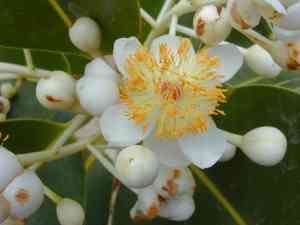
California dwarf flax (Hesperolinon californicum)
Also known as: California dwarf flax
California dwarf flax (Hesperolinon californicum) is a small, annual herb indigenous to California, particularly thriving in serpentine soils. This plant features thin stems and linear leaves, adorned with small, pale yellow to white flowers. Its drought tolerance allows it to flourish in the dry Mediterranean climate of California. Typically found in open grasslands, chaparral, and woodlands, California dwarf flax blooms from May to July. Its preference for harsh, nutrient-poor serpentine soils makes it a unique component of these ecosystems.
In This Article
Attributes of California dwarf flax
Lifespan
Annual
Plant Type
Herb
Plant Height
Typically ranges from 10 to 50 centimeters (4 to 20 inches) in height.
Spread
N/A, as it is a herbaceous plant without a woody crown.
Leaf Color
Green
Flower Size
Approximately 1/2 inch (1.2 cm)
Flower Color
Pale yellow
Images of California dwarf flax
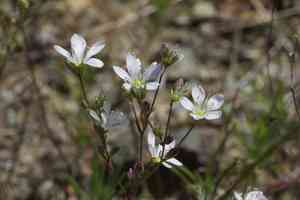
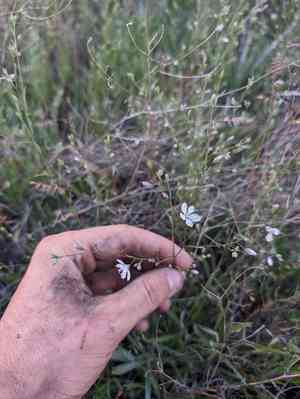
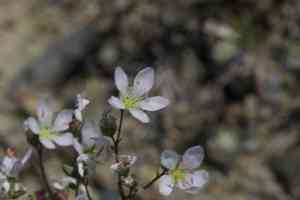
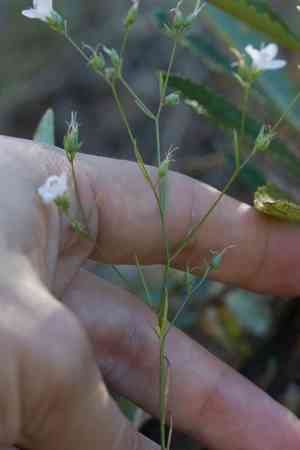
Quickly Identify California dwarf flax
1
The plant can be identified by its slender, erect stems, small linear leaves, and pale yellow flowers with five petals. The flowers are typically around 1/2 inch (1.2 cm) in diameter.
Scientific Classification of California dwarf flax
Phylum
Vascular plants
Class
Dicotyledons
Order
Malpighiales
Family
Flax
Genus
Dwarf-flax
Species
California dwarf flax
Planting and Growing of California dwarf flax
Care Difficulty
Moderate
Watering Schedule
Every 2 days
Sunlight Requirements
Full sun
Sunshine Duration
4-8 hours
Ideal Temperature
60-75℉
Soil Type
Potting Mix, Peat Mix
Soil pH
6.5-7.5
Fertilizer Type
Balanced
Pruning Season
Spring, Summer
Pruning Area
Branches, Leaves
Pruning Frequency
2 times a year
Repotting Season
Spring
Pot Type
Terracotta, Plastic
 How to Water California dwarf flax?
For Hesperolinon californicum, it is best to adhere to a moderate watering schedule to maintain the right moisture level. The plant prefers the soil to dry out between waterings. Typically, 250 ml per watering session is enough to ensure the plant is not overwatered or underwatered.
What are the symptoms of an underwatered California dwarf flax?
›
What should I do if my California dwarf flax is not getting enough water?
›
What are the symptoms of an overwatered California dwarf flax?
›
How to save an overwatered California dwarf flax?
›
 What Are the Sunlight Requirements for California dwarf flax?
Hesperolinon californicum thrives best under full sun conditions, receiving 6-8 hours of direct sunlight, which enhances photosynthesis, ensures vibrant foliage, and encourages prolific flowering.
Solution to Achieve Ideal Lighting
›
How to Operate to Provide Ideal Light
›
Benefits of Receiving Ideal Light
›
 What Is the Ideal Temperature Range for California dwarf flax?
The ideal temperature range for Hesperolinon californicum lies between 60°F and 75°F. This range provides the best conditions for growth and photosynthesis, allowing the plant to thrive. Temperatures within this range ensure that metabolic functions proceed optimally, supporting robust growth and healthy foliage.
 What Soil is Best for California dwarf flax?
Hesperolinon californicum thrives in nutrient-rich loam that offers a perfect balance of moisture retention and drainage, supporting healthy root growth and boosting the plant's resilience to environmental stressors. This plant is highly adapted to well-drained soil conditions that prevent waterlogging, which could otherwise lead to root rot. Ensuring adequate drainage mimics its natural habitat, promoting vigorous growth. Preferably, the soil pH should be between 6.5 and 7.5, as this range facilitates the optimal availability of nutrients, enhancing the plant's ability to absorb essential minerals and promoting lush foliage.
 How to Fertilize California dwarf flax?
Hesperolinon californicum is a delicate plant that requires careful fertilization. When applying liquid fertilizer, use a half-strength solution once every two weeks to avoid overwhelming the plant. For slow-release fertilizers, a small amount equivalent to a teaspoon per plant should be sufficient.
 How to Prune California dwarf flax?
Begin by identifying and removing any dead or weak stems. This helps the plant conserve energy and direct it towards healthier parts, promoting robust growth. Trim overgrown branches to maintain the plant's shape and encourage healthy airflow around and within the plant structure. This practice reduces the risk of mold or other issues.
More About Pruning Techniques→
 How to Propagate California dwarf flax plant?
1
Select healthy, mature seeds of Hesperolinon californicum. It's important to clean the seeds gently in water to remove any debris or pathogens that might hinder germination.
2
Use a well-draining seed starting mix to fill the seed trays. It ensures the right balance of moisture retention and drainage, crucial for seed germination.
3
Place the seeds on the prepared soil, lightly cover them with a thin layer of soil, and mist gently. Ensure that the seeds are not buried too deeply as they require some light to germinate.
 How to Repot California dwarf flax plant?
1
Hesperolinon californicum often shows signs that it's time to repot—look for roots emerging from drainage holes, compacted soil, or slowed growth. Spring and summer are the best times to repot, taking advantage of active growth periods.
2
Select a pot that is one size larger than the current one, ensuring it has adequate drainage holes. A slightly larger pot helps accommodate root growth without overwhelming the plant, reducing the risk of overwatering by not holding excess soil.
3
Opt for well-draining, sandy soil that replicates this plant's natural habitat found in California's dry conditions. A sandy mix prevents root rot by allowing excess water to drain quickly, ensuring the roots receive sufficient air.


