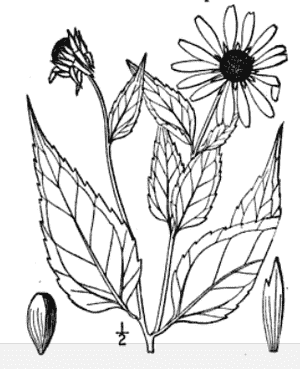
Thinleaf sunflower (Helianthus decapetalus)
Also known as: Forest sunflower, Swollen sunflower, Thin-leaved sunflower, Ten-petalled sunflower
Thinleaf sunflower (*Helianthus decapetalus*) is native to central and eastern regions of North America. This plant serves as a food source for various butterfly larvae, such as the silvery checkerspot and painted lady. Additionally, muskrats consume its stems and leaves and utilize the stems in constructing their lodges.
In This Article
Attributes of Thinleaf sunflower
Lifespan
Perennial
Plant Type
Herb
Plant Height
61 cm to 1.5 m
Spread
60 cm to 90 cm
Leaf Color
Green
Flower Size
2.5 cm to 8 cm
Flower Color
Yellow
Images of Thinleaf sunflower


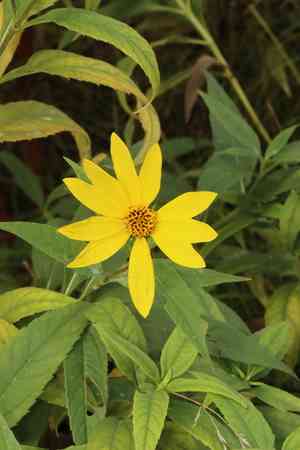

Quickly Identify Thinleaf sunflower
1
Vivid, bright yellow flowers measuring up to 3 inches (7.5 cm) across.
2
Distinct oblong, dark achene fruit approximately 1/8 inch (3 mm) long.
3
Lanceolate to ovate leaves with coarsely toothed margins, reaching 7 inches (18 cm) long.
4
Green to reddish-purple stem, slender with fine hairs, 0.1 to 0.2 inches (2.5 to 5 mm) thick.
5
Rhizomatous perennial capable of aggressive growth through underground stems.
Scientific Classification of Thinleaf sunflower
Phylum
Vascular plants
Class
Dicotyledons
Order
Asterales
Family
Daisy
Genus
Sunflowers
Species
Thinleaf sunflower
Planting and Growing of Thinleaf sunflower
Care Difficulty
Easy
Watering Schedule
Every 4 days
Sunlight Requirements
Partial sun
Sunshine Duration
10-12 hours
Ideal Temperature
65-75℉
Soil Type
Potting Mix, Peat Mix
Soil pH
6.5-7.5
Fertilizer Type
Balanced
Pruning Season
Spring, Summer
Pruning Area
Branches, Leaves
Pruning Frequency
2 times a year
Repotting Season
Spring
Pot Type
Terracotta, Plastic
 How to Water Thinleaf sunflower?
Helianthus decapetalus typically requires moderate watering, meaning approximately 500 milliliters per session. The primary goal is to ensure the soil remains consistently moist but never saturated. When watering, aim for an evenly moist texture that doesn't leave any standing water on the surface. The amount of water may vary with climate and growth conditions, but generally, the plant benefits from watering enough to keep the top inch of the soil lightly moist. Adjust the amount based on the specific environment and weather conditions.
What are the symptoms of an underwatered Thinleaf sunflower?
›
What should I do if my Thinleaf sunflower is not getting enough water?
›
What are the symptoms of an overwatered Thinleaf sunflower?
›
How to save an overwatered Thinleaf sunflower?
›
 What Are the Sunlight Requirements for Thinleaf sunflower?
Helianthus decapetalus ideally requires partial sun exposure, receiving 4 to 6 hours daily. This balance aids steady growth and robust flowering, maximizing photosynthetic efficiency.
More About Sunlight Requirements Techniques→
What is the best lighting condition for Helianthus decapetalus?
›
How can I achieve ideal lighting for this plant?
›
What benefits does the plant gain from ideal lighting?
›
 What Is the Ideal Temperature Range for Thinleaf sunflower?
Helianthus decapetalus thrives best in a temperature range of 65 to 75 degrees Fahrenheit. This range supports optimal photosynthesis and metabolic processes, encouraging strong growth and vibrant blooms. It is important to maintain these temperatures consistently during the active growing seasons of spring and summer.
 What Soil is Best for Thinleaf sunflower?
Helianthus decapetalus thrives in nutrient-rich soil which supports its rapid growth and abundant blooming. Ensuring the soil is well-fertilized with a balanced mix of essential nutrients provides the plant with the resources needed for robust stems and vibrant flowers. A well-drained soil structure prevents waterlogging, reduces the risk of root rot, and promotes healthy root systems. Loamy or sandy loam soils are ideal as they strike a balance between moisture retention and drainage. Maintaining consistent moisture in the soil without overwhelming the plant with water is crucial. Consistency supports steady growth and flower production, while reducing stress on the plant incurred by irregular watering.
 How to Fertilize Thinleaf sunflower?
Helianthus decapetalus typically requires a moderate amount of fertilizer. For liquid fertilizers, a dilution ratio of 1:20 is recommended to avoid root burn, applying approximately 100 ml per plant. For solid fertilizers, use a balanced one with NPK values around 10-10-10, applying 30 grams per plant.
 How to Prune Thinleaf sunflower?
Start by removing any dead or damaged stems using sharp, clean shears. Cut back the remaining stems to about half their height. Focus on maintaining a balanced shape by cutting above leaf nodes where new growth is most likely to occur. For Helianthus decapetalus, thinning out the center for better air circulation and light penetration is crucial. Remove any crossing branches to prevent rubbing and disease, making sure to cut back to a main stem or node.
More About Pruning Techniques→
 How to Propagate Thinleaf sunflower plant?
1
Use well-draining potting mix to fill your seed trays or pots. It should be loose and nutrient-rich to provide a good start for the seeds or cuttings. If using garden soil, mix it with sand or perlite to improve drainage. Water the soil lightly before planting.
2
When sowing seeds, place them about half an inch deep into the moistened soil. Cover with a thin layer of soil and mist with water to keep them moist. Maintain temperatures between 70°F to 75°F for optimal germination. Seeds should sprout within 7 to 10 days.
3
Choose healthy stems about 6 inches long for cuttings. Use sharp pruners to cut just below a node, removing the lower leaves. Dip the cut end in rooting hormone and plant it in a pot with pre-moistened potting soil. Keep the soil slightly moist until the cutting roots.
 How to Repot Thinleaf sunflower plant?
1
Signs that Helianthus decapetalus needs repotting include roots emerging from the drainage holes, soil drying up too quickly, or a noticeable decrease in plant growth. Ideally, repotting should be done during spring or autumn when the plant is not in active bloom.
2
Select a pot that is 2-3 inches larger in diameter than the current one to allow space for root growth. A pot with drainage holes is essential to prevent waterlogging and root rot, ensuring the plant remains healthy and vigorous.
3
Opt for a well-draining, loamy soil mix that retains some moisture but does not become compacted. This type of soil provides a balanced environment, supporting root development while preventing water stagnation which can harm the roots.
Learn More About Thinleaf sunflower Diseases
Anthracnose
Bacterial Leaf Spot
Bacterial Soft Rot
Bacterial Wilt
Black Spot
Chemical Injury
Crown Gall
Cyst Nematode
Damping-off
Downy Mildew
Drought Stress
Fusarium Wilt
Gray Mold
Leaf Spot
Mosaic
Nutrient Deficiency
Nutrient Toxicity
Powdery Mildew
Root Rot
Root-knot Nematode
Rusts
Sooty Mold
Spider Mites
Temperature Stress
Thrips Damage
White Mold



