The Thinleaf sunflower Plant Advantage: Maximizing Home and Office Appeal and Wellness
1
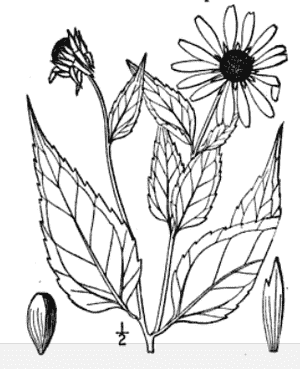
The Thinleaf sunflower is an easy-to-care-for perennial, ideal for novice gardeners.
2
Draw helpful pollinators to your outdoor space using the vibrant flowers of Thinleaf sunflower.
3
Thinleaf sunflower is recognized for improving soil health via its inherent mechanisms.
Beautifying Your Garden Space
How Does Thinleaf Sunflower Enhance Your Garden's Visual Appeal?
The bright, eye-catching yellow blooms of Thinleaf sunflower establish it as a central feature in any garden. It integrates effortlessly into diverse garden styles, whether you're aiming for a wild, natural aesthetic or a more structured, decorative garden. The plant's tall, slender stems provide vertical interest, drawing the gaze upwards and creating depth and dimension in garden designs.
Seasonal Charm of Thinleaf Sunflower
A key advantage of Thinleaf sunflower is its extended flowering period. Beginning in midsummer and continuing into autumn, its consistent display of vivid yellow flowers ensures your garden remains colorful and vibrant even as other plants start to fade. Its perennial nature also means it returns annually, reducing the need for frequent replanting.
Supporting Local Wildlife
Why is Thinleaf Sunflower Crucial for Pollinators?
Thinleaf sunflower plays a significant role in fostering local biodiversity, particularly by attracting vital pollinators such as bees, butterflies, and other beneficial insects. Its nectar-rich flowers offer a valuable food source, sustaining pollinator populations essential for the health of your garden ecosystem.
Thinleaf Sunflower's Contribution to Natural Pest Management
By drawing in beneficial insects, Thinleaf sunflower indirectly aids in biological pest control. Insects like ladybugs and predatory beetles, which are attracted to Thinleaf sunflower, can help manage pests such as aphids and caterpillars. This natural pest management reduces the need for harmful chemical pesticides, promoting a healthier garden environment.
Improving Ground Quality
How Does Thinleaf Sunflower Boost Soil Fertility?
Thinleaf sunflower is not only visually appealing but also beneficial for soil health. Its root system helps aerate the soil, improving water penetration and encouraging the root growth of nearby plants. Furthermore, as Thinleaf sunflower completes its annual cycle, it adds organic matter to the soil when its leaves and stems decompose, enriching the soil with vital nutrients.
Benefits for Preventing Erosion
The robust root system of Thinleaf sunflower helps stabilize the ground, making it an excellent choice for erosion control on hillsides, slopes, and other vulnerable areas. By anchoring soil in place, Thinleaf sunflower prevents topsoil loss and preserves the integrity of your garden landscape, especially during heavy rainfall.
Effortless Care and Versatility
Is Thinleaf Sunflower Suitable for Novice Gardeners?
One of the prominent advantages of Thinleaf sunflower is its minimal maintenance requirements. It is drought-tolerant once established and can flourish in various soil types, including poor and rocky soils. This resilience makes it an excellent option for beginner gardeners or those seeking a plant that doesn't demand constant attention and care.
Adaptability to Diverse Conditions
Thinleaf sunflower is remarkably adaptable to different environmental conditions. Whether your garden receives shade, partial shade, or full sun, Thinleaf sunflower can adjust and thrive. This versatility makes it a flexible addition to any garden, ensuring you can enjoy its benefits regardless of your specific garden microclimate.



