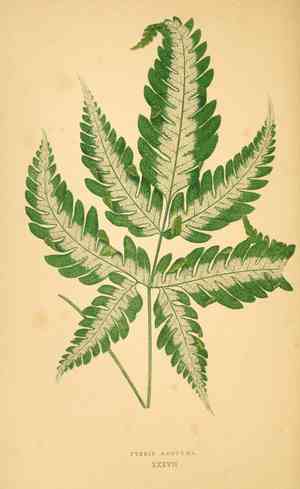
Tape fern (Haplopteris elongata)
Also known as: Ribbon fern
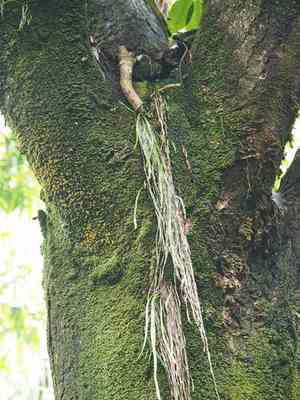
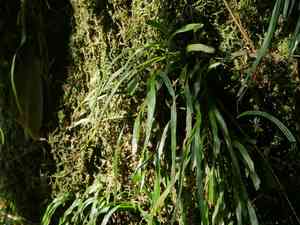
The tape fern (Haplopteris elongata) is an epiphytic plant, meaning it grows on other plants for physical support without harming them. It can also thrive on rocky surfaces. This fern is typically found in rainforest environments, and its appearance can vary greatly depending on its specific habitat.
In This Article
Attributes of Tape fern
Lifespan
Perennial
Plant Type
Herb
Plant Height
30-70 cm
Spread
N/A
Leaf Color
Bright green
Flower Size
N/A
Flower Color
N/A
Images of Tape fern
Quickly Identify Tape fern
1
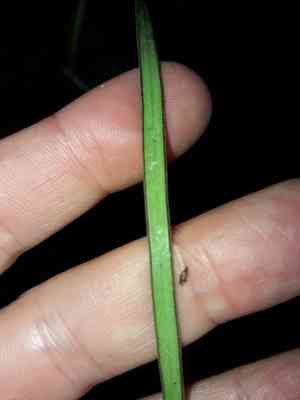
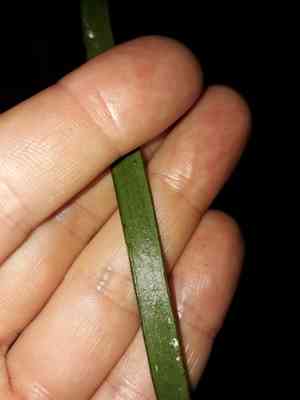
To identify Haplopteris elongata, look for its long, linear fronds that are 30-70 cm in length and 1-2 cm in width. The fronds are typically bright green, with sori (spore clusters) along the underside.
Scientific Classification of Tape fern
Phylum
Vascular plants
Class
Ferns
Order
Polypodiales
Family
Brake
Genus
Haplopteris
Species
Tape fern
Planting and Growing of Tape fern
Care Difficulty
Easy
Watering Schedule
Every 2 days
Sunlight Requirements
Partial sun
Sunshine Duration
4-6 hours
Ideal Temperature
70-80℉
Soil Type
Potting Mix, Peat Mix
Soil pH
6.5-7.5
Fertilizer Type
Balanced
Pruning Season
Spring, Summer
Pruning Area
Branches, Leaves
Pruning Frequency
2 times a year
Repotting Season
Spring
Pot Type
Plastic, Ceramic
 How to Water Tape fern?
For Haplopteris elongata, the watering should be adequate but not excessive. Ideally, you should aim for about 200 ml per watering session. The plant thrives with a consistent moisture level, so ensure the soil is damp but not waterlogged. Proper drainage is essential to prevent water from pooling.
What are the symptoms of an underwatered Tape fern?
›
What should I do if my Tape fern is not getting enough water?
›
What are the symptoms of an overwatered Tape fern?
›
How to save an overwatered Tape fern?
›
 What Are the Sunlight Requirements for Tape fern?
Haplopteris elongata thrives in partial sun to full shade conditions. Ideal lighting promotes lush growth, vibrant leaf colors, and maintains the frond’s health and resistance to pests.
What is the ideal lighting for growing Haplopteris elongata?
›
How to achieve optimal lighting for Haplopteris elongata indoors?
›
Benefits of providing ideal lighting for Haplopteris elongata?
›
 What Is the Ideal Temperature Range for Tape fern?
The ideal temperature range for growing Haplopteris elongata lies between 70°F and 80°F. This range provides optimal conditions for photosynthesis and nutrient uptake. Maintaining this temperature range encourages healthy foliage growth and helps prevent stress-related issues, ensuring the plant thrives. Adequate humidity levels should accompany this temperature for the best growth environment.
 What Soil is Best for Tape fern?
Haplopteris elongata thrives in well-drained soil, which prevents water accumulation that can lead to root rot. The well-drained nature ensures oxygen availability to the roots, facilitating healthy growth. This plant appreciates soil enriched with organic matter, boosting its nutrient uptake. The humus content aids in maintaining soil moisture and structure, providing a stable environment for the plant. The soil should retain adequate moisture without becoming waterlogged. This balance ensures the plant remains hydrated, supporting consistent growth while preventing diseases associated with excessive moisture.
 How to Fertilize Tape fern?
Haplopteris elongata requires a balanced amount of nutrients to thrive. Use a liquid fertilizer that has equal parts nitrogen, phosphorus, and potassium. Typically, you'll want to dilute it to half the recommended strength to avoid over-fertilization. A slow-release fertilizer should be applied sparingly, letting the plant access nutrients over time without overwhelming it.
 How to Prune Tape fern?
Begin by examining the plant for any fronds that appear brown, yellow, or broken. These are the first targets for removal as they detract from the plant's health and aesthetics. Gently snip these at the base without harming nearby healthy parts. Once dead fronds are removed, assess the plant's shape. Trim sporadic growth that disrupts its intended aesthetic. Cut just above a leaflet node to encourage regrowth in the desired direction, keeping the overall look balanced. After shaping, look for dense areas where fronds overlap or shadow each other. Lightly thin such sections to improve air circulation and light penetration, stimulating vibrant new growth through the plant.
More About Pruning Techniques→
 How to Propagate Tape fern plant?
1
Ensure the parent plant, Haplopteris elongata, is healthy and has been watered a day before division. This helps to reduce stress and makes the plant easier to handle during the division process.
2
Gently remove the plant from its pot and shake off excess soil. Carefully separate the rhizomes with your hands or a sharp knife, ensuring that each division has at least one growing tip and some roots.
3
Plant the divisions into individual pots with fresh potting mix suited for ferns. Water the divisions lightly to settle the soil around the roots and ensure a good starting environment.
 How to Repot Tape fern plant?
1
Repotting Haplopteris elongata should be done when roots start poking out of the pot’s drainage holes. A noticeable decline in the plant’s growth or visibly compacted soil is also a clear signal. This typically occurs once every two years. Performing the repotting procedure in spring or summer allows the plant to recover and adapt in the growing season.
2
Select a pot that is just one size bigger than the current one to avoid excessive soil moisture, which can suffocate the roots. The pot should have several drainage holes to prevent water from pooling at the bottom. Using a terracotta pot can also be beneficial as it helps in moisture regulation through its porous nature.
3
A well-draining fern mix is ideal as it retains enough moisture without becoming waterlogged. The mix should consist of perlite, peat moss, and bark to ensure proper aeration and drainage. Using this type of mix enhances root respiration and minimizes the risk of root rot.



