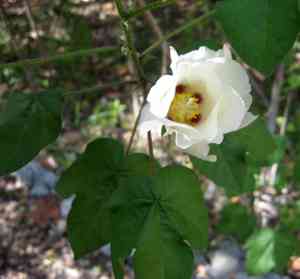
Upland Cotton (Gossypium hirsutum)
Also known as: American Upland Cotton, Golden Cotton, Cotton
Upland Cotton (*Gossypium hirsutum*) is widely cultivated for its valuable cotton fibers. This plant, which can act as an annual or perennial, features sizable yellow to white flowers that bloom in the summer. These blossoms are eventually replaced by cotton bolls, containing fibers and seeds. For optimal growth, Upland Cotton requires full sunlight, receiving at least 6 to 8 hours of direct light each day, and it prefers well-drained sandy loam or loamy soils with a pH range of 5.8 to 8.0.
Attributes of Upland Cotton
Images of Upland Cotton
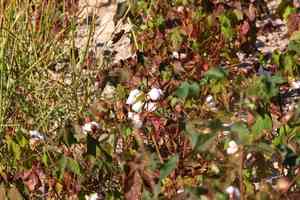
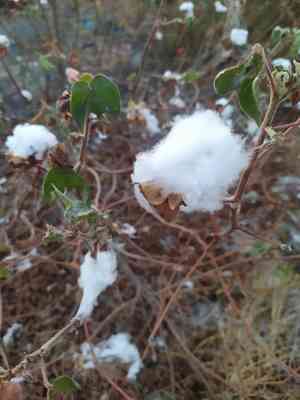

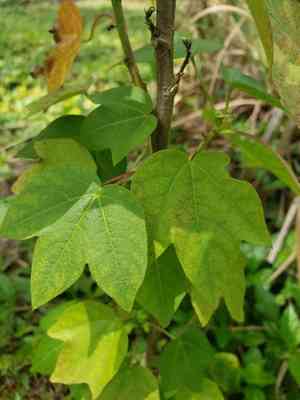
Quickly Identify Upland Cotton
Scientific Classification of Upland Cotton
Planting and Growing of Upland Cotton
 How to Water Upland Cotton?
 What Are the Sunlight Requirements for Upland Cotton?
 What Is the Ideal Temperature Range for Upland Cotton?
 What Soil is Best for Upland Cotton?
 How to Fertilize Upland Cotton?
 How to Prune Upland Cotton?
 How to Propagate Upland Cotton plant?
 How to Repot Upland Cotton plant?
Toxicity of Upland Cotton
Is Upland Cotton toxic to humans?
Upland Cotton exhibits a moderate degree of toxicity in humans, predominantly via ingestion. The entire plant contains the harmful compound gossypol, which can induce poisoning if consumed. When individuals consume parts of Upland Cotton, they might experience symptoms like nausea, vomiting, diarrhea, weakness, and respiratory difficulties. The intensity of these symptoms can vary based on the quantity of plant material ingested. It is crucial for individuals to prevent any accidental consumption of Upland Cotton, as every part of the plant can potentially result in negative health consequences.
Is Upland Cotton toxic to cat?
Upland Cotton presents a moderate toxicity risk to felines when ingested. Cats may inadvertently consume portions of upland Cotton and experience poisoning as a result of gossypol found throughout the plant. After ingestion, affected cats may show symptoms of physical discomfort, including digestive disturbances. Given the potential for health complications, it is vital for pet owners to vigilantly observe their cats for any signs of distress. Should a cat exhibit any negative reactions after exposure to upland Cotton, it is imperative to seek prompt veterinary assistance for the well-being of the animal.
Is Upland Cotton toxic to dog?
The plant species known as upland Cotton is recognized for its moderate toxicity level concerning dogs. Canines may accidentally consume various parts of this plant, resulting in potential poisoning. Every part of the plant is toxic, indicating that ingestion of any portion carries a risk. Dogs that have consumed upland Cotton could display symptoms like vomiting, diarrhea, lethargy, and possibly more severe reactions depending on the quantity ingested. The toxic compound that triggers these symptoms is gossypol. If you believe your dog has eaten upland Cotton, it is crucial to seek immediate veterinary attention to secure the best possible outcome for your pet.



