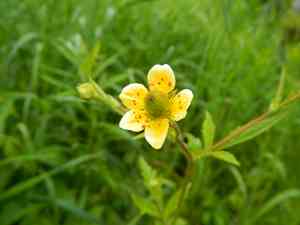
Yellow avens (Geum aleppicum)
Also known as: Yellow Avens
The wildflower you're referring to is Yellow Avens (Geum aleppicum). It blooms in various habitats including woodlands, meadows, and lake shores throughout the US and Canada. The root has a distinctive clove-like aroma and has been used in traditional medicine by some indigenous groups. Additionally, European folklore believed that Yellow Avens could ward off evil spirits. Its leaves are also edible.
In This Article
Attributes of Yellow avens
Lifespan
Perennial
Plant Type
Herb
Plant Height
51 cm to 1.02 m
Spread
30-60 cm
Leaf Color
Green
Flower Size
2 cm
Flower Color
Yellow
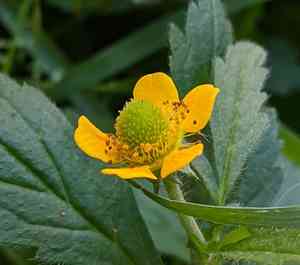
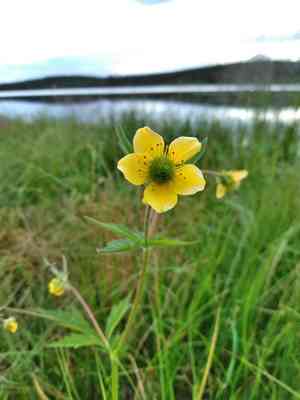
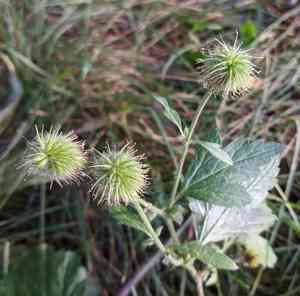
Images of Yellow avens
Quickly Identify Yellow avens
1
Geum aleppicum can be identified by its bright yellow flowers composed of five petals. The plant has a hairy stem and pinnate leaves with serrated edges. It usually grows up to 1 meter in height.
Scientific Classification of Yellow avens
Phylum
Vascular plants
Class
Dicotyledons
Order
Roses, elms, figs, and allies
Family
Rose
Genus
Avens
Species
Yellow avens
Planting and Growing of Yellow avens
Care Difficulty
Easy
Watering Schedule
Every 2 days
Sunlight Requirements
Full sun
Sunshine Duration
4-6 hours
Ideal Temperature
50-70℉
Soil Type
Potting Mix, Peat Mix
Soil pH
6.5-7.5
Fertilizer Type
Balanced
Pruning Season
Spring, Summer
Pruning Area
Branches, Leaves
Pruning Frequency
2 times a year
Repotting Season
Spring
Pot Type
Plastic, Ceramic
 How to Water Yellow avens?
For Geum aleppicum, it's crucial to maintain a moist but not waterlogged soil environment. Watering to the depth of the root zone is ideal, ensuring approximately 250 milliliters per watering session. This should thoroughly saturate the soil without causing excess pooling.
What are the symptoms of an underwatered Yellow avens?
›
What should I do if my Yellow avens is not getting enough water?
›
What are the symptoms of an overwatered Yellow avens?
›
How to save an overwatered Yellow avens?
›
 What Are the Sunlight Requirements for Yellow avens?
Geum aleppicum flourishes best in environments offering full sun to partial sun with 6-8 hours of sunlight. The right balance encourages maximum flowering and strong, healthy growth due to efficient photosynthetic activity.
How much sunlight does Geum aleppicum need?
›
Solutions for ideal light conditions
›
Benefits of ideal lighting
›
 What Is the Ideal Temperature Range for Yellow avens?
The ideal temperature range for cultivating Geum aleppicum is between 50°F and 70°F. This range ensures optimal growth and development by providing conditions similar to its native climate. Maintaining this temperature helps in robust foliage and vibrant blooms.
 What Soil is Best for Yellow avens?
Geum aleppicum prefers soil that retains moisture but is not waterlogged. Clay soils are excellent due to their high moisture retention capacity which prevents plants from drying out. The balance of moisture ensures that Geum aleppicum continues to thrive even during drier periods. Although Geum aleppicum appreciates moisture, good drainage is essential to prevent root rot. Loam and sandy loam soils provide excellent drainage properties while still maintaining some moisture, promoting healthy root development and preventing harmful fungal diseases. Rich, fertile soils full of organic matter support the vibrant growth of Geum aleppicum. A loamy soil enriched with compost provides essential nutrients, encouraging robust foliage and flowering. Regular feeding with organic material ensures sustained nutrient availability.
 How to Fertilize Yellow avens?
Geum aleppicum typically benefits from a balanced fertilization routine. It's advisable to use a 10-10-10 liquid fertilizer, with a dilution ratio of 1 tablespoon per gallon of water, applied every two weeks during the growing season.
 How to Prune Yellow avens?
Begin by identifying any dead or damaged stems and leaves on your Geum aleppicum. These should be your first targets for removal to encourage healthy new growth and prevent potential disease. When making cuts, aim for a 45-degree angle about a quarter inch above a bud or leaf node. This method encourages water to run off instead of pooling, which can prevent rot and disease. Remove any crossing or crowded branches to improve air circulation through the plant. Better airflow reduces the likelihood of fungal infections and ensures that all parts of the plant receive adequate sunlight. Regularly remove spent blooms to encourage prolonged flowering. This process, known as deadheading, redirects the plant's energy from seed production to growth and blooms.
 How to Propagate Yellow avens plant?
1
Collect seeds from mature Geum aleppicum plants once the seed heads are dry and brown. Carefully remove the seeds and store them in a cool, dry place before planting.
2
In early spring or autumn, dig up the plant and gently separate the root clumps into smaller sections with a sharp knife, ensuring each section has a portion of roots and shoots.
3
Sow seeds in pots using a seed mix or plant divided sections into prepared soil. Ensure seeds or sections are covered lightly with soil and keep them moist until germination or establishment.
 How to Repot Yellow avens plant?
1
Geum aleppicum should be repotted when you notice roots emerging from the drainage holes, indicating the plant has outgrown its current pot. A slowdown in growth or wilting despite adequate care can also be signals. Ideal repotting times are spring or summer when the plant is actively growing and can recover well.
2
Choose a pot that is one size larger than the current one, with sufficient drainage holes to prevent waterlogging. Material can vary, but breathable materials like terracotta are great for preventing root rot. The new pot should have enough space to accommodate the plant's growth for at least the next year or two.
3
Opt for a well-draining loamy soil mix. This type of soil allows for proper air circulation around the roots and good water drainage, preventing root rot. Adding organic matter like compost improves soil fertility, providing essential nutrients and ensuring vigorous plant growth.
Learn More About Yellow avens Diseases
Anthracnose
Bacterial Leaf Spot
Bacterial Soft Rot
Crown Gall
Cyst Nematode
Damping-off
Downy Mildew
Drought Stress
Fusarium Wilt
Gray Mold
Leaf Spot
Mosaic
Nutrient Deficiency
Nutrient Toxicity
Powdery Mildew
Root Rot
Root-knot Nematode
Rusts
Sooty Mold
Spider Mites
Temperature Stress
Thrips Damage
White Mold
Chemical Injury



