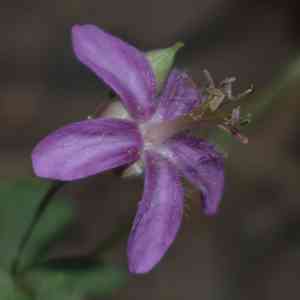
Pineywoods geranium (Geranium caespitosum)
Also known as: Tufted geranium, Pinewoods geranium
Scarlet gilia (Ipomopsis aggregata) is a wildflower native to the western United States and northern Mexico. Commonly found in mountainous regions, it produces striking red or occasionally pink to purple flowers from late spring through early autumn.
In This Article
Attributes of Pineywoods geranium
Lifespan
Perennial
Plant Type
Herb
Plant Height
46 cm
Spread
60 cm
Leaf Color
Green
Flower Size
4 cm
Flower Color
Pink Purple
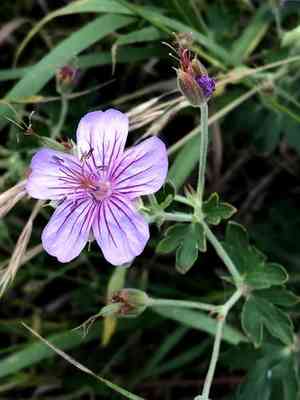
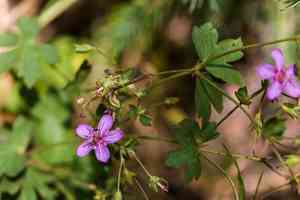
Images of Pineywoods geranium
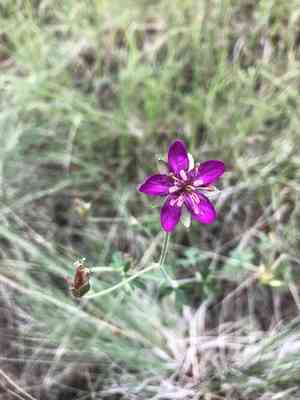
Quickly Identify Pineywoods geranium
1
Geranium caespitosum can be identified by its deeply lobed, palmate leaves, and purple to magenta flowers with five petals. It often forms a basal rosette of leaves and, when not in bloom, can be recognized by its distinctive leaf shape.
Scientific Classification of Pineywoods geranium
Phylum
Vascular plants
Class
Dicotyledons
Order
Geraniales
Family
Geranium
Genus
Geraniums
Species
Pineywoods geranium
Planting and Growing of Pineywoods geranium
Care Difficulty
Easy
Watering Schedule
Every 4 days
Sunlight Requirements
Partial sun
Sunshine Duration
4-8 hours
Ideal Temperature
60-70℉
Soil Type
Potting Mix, Peat Mix
Soil pH
6.5-7.5
Fertilizer Type
Balanced
Pruning Season
Spring, Summer
Pruning Area
Branches, Leaves
Pruning Frequency
2 times a year
Repotting Season
Spring
Pot Type
Plastic, Ceramic
 How to Water Pineywoods geranium?
For Geranium caespitosum, watering should ensure the soil is moist but not waterlogged. Typically, around 250 ml of water per session suffices, slowly poured to allow absorption without pooling on the surface. This helps mimic its natural habitat and supports healthy growth.
What are the symptoms of an underwatered Pineywoods geranium?
›
What should I do if my Pineywoods geranium is not getting enough water?
›
What are the symptoms of an overwatered Pineywoods geranium?
›
How to save an overwatered Pineywoods geranium?
›
 What Are the Sunlight Requirements for Pineywoods geranium?
Geranium caespitosum thrives best in partial to full sun, which provides the energy necessary for blooming and maintaining vibrant foliage. Ideal light conditions lead to abundant blooms and a strong, healthy plant structure.
More About Sunlight Requirements Techniques→
What is the best lighting for Geranium caespitosum?
›
How can I provide the ideal lighting conditions?
›
What benefits does it gain from ideal light exposure?
›
 What Is the Ideal Temperature Range for Pineywoods geranium?
For optimal growth, Geranium caespitosum thrives best at temperatures ranging from 60°F to 70°F. Maintaining temperatures within this range ensures robust foliage and vibrant blooms, providing the conditions that mirror this plant's natural environment. These temperatures support the plant's metabolic processes, anaerobic respiration, and overall physiological functions, resulting in healthy plant development.
 What Soil is Best for Pineywoods geranium?
Geranium caespitosum thrives in well-drained soils to prevent root rot. This requirement ensures the roots remain aerated, promoting healthy growth and reducing the likelihood of fungal diseases. While the soil needs to be well-drained, it should also retain some moisture. This balance helps the plant maintain hydration without drowning, supporting robust blooming and foliage health. A soil rich in organic matter provides essential nutrients for Geranium caespitosum. This enriching environment aids in the vibrant growth and resilience against environmental stresses.
 How to Fertilize Pineywoods geranium?
For Geranium caespitosum, ensure you use a balanced fertilizer with an N-P-K ratio of 10-10-10. When applying liquid fertilizer, dilute it to half-strength to avoid over-fertilization, using around 1 tablespoon per gallon of water. With slow-release fertilizers, follow the manufacturer's instructions, usually 2 teaspoons per square foot.
 How to Prune Pineywoods geranium?
Begin by gently removing any debris or fallen leaves around the base of the plant. This will help you easily identify which parts need trimming and provide better aeration to the geranium. Focus on trimming back any overgrown shoots and deadheading faded flowers. This process encourages new growth and extends the blooming period, making your plant look lush and vibrant. When selecting which stems to cut, target those that are crossing over or are too close preventing sunlight penetration. This helps the plant to focus its energy on producing healthy blooms.
More About Pruning Techniques→
 How to Propagate Pineywoods geranium plant?
1
Start by sowing seeds in seed trays filled with a well-draining seed-starting mix. Lightly cover the seeds with soil, as they need some light to germinate. Maintain consistent moisture and place the trays in a warm, sunny location.
2
Use a sharp, sterilized knife to take 3-4 inch cuttings from healthy, mature plants. Remove the lower leaves and dip the cut ends in rooting hormone before placing them in a potting mix tailored for cuttings.
3
For division, carefully dig up an established Geranium caespitosum plant and gently separate the root clumps. Ensure each division has a portion of roots attached. Replant the divisions in a prepared location or pot.
 How to Repot Pineywoods geranium plant?
1
Geranium caespitosum should be repotted when you notice roots start crowding the pot and emerging from the drainage holes. Additionally, if the plant seems to dry out quickly even after thorough watering, it's a sign that a larger container is needed to accommodate and sustain its growth.
2
Opt for a pot that is only slightly larger than the current one, with adequate drainage holes. A ceramic or terracotta pot is ideal since it is breathable, allowing excessive moisture to evaporate, thus preventing root rot and keeping the roots healthy.
3
Choose a well-draining potting mix rich in organic matter to provide adequate nutrients and ensure proper aeration. This kind of soil prevents waterlogging, thereby reducing the risk of root rot and promoting optimal root growth, giving your geranium a lush, vibrant look.
Learn More About Pineywoods geranium Diseases
Anthracnose
Bacterial Leaf Spot
Bacterial Soft Rot
Bacterial Wilt
Black Spot
Chemical Injury
Crown Gall
Cyst Nematode
Damping-off
Downy Mildew
Drought Stress
Fusarium Wilt
Gray Mold
Leaf Curl
Leaf Spot
Mosaic
Nutrient Deficiency
Nutrient Toxicity
Powdery Mildew
Root Rot
Root-knot Nematode
Rusts
Sooty Mold
Spider Mites
Temperature Stress
Thrips Damage
White Mold



