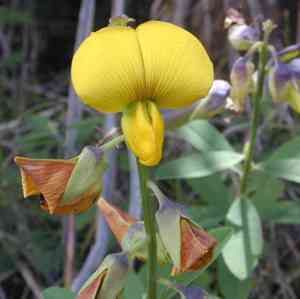
Canary broom (Genista canariensis)
Also known as: Cape broom
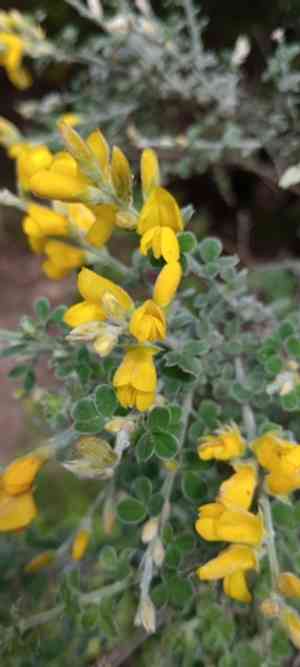
Canary Island Broom (Genista canariensis) is a robust, evergreen shrub indigenous to the Canary Islands. In spring, it showcases an abundance of vivid yellow blossoms on its arching branches, attracting numerous pollinators. Its slender, green leaves are well-suited to the volcanic soils and salty air of its native region, reflecting its adaptability to the islands' varied microclimates. Beyond its ornamental appeal, Canary Island Broom stands as a testament to the rich flora of the Mediterranean region.
In This Article
Attributes of Canary broom
Lifespan
Perennial
Plant Type
Tree, Shrub
Plant Height
4 m
Spread
1.5 m
Leaf Color
Green
Flower Size
1.5 - 2.5 cm
Flower Color
Yellow
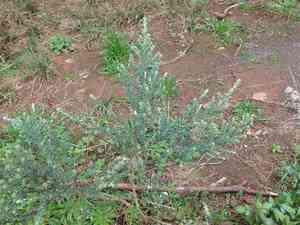
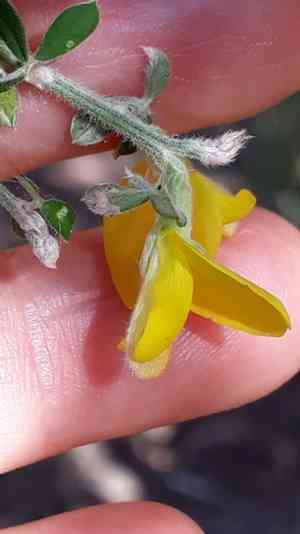
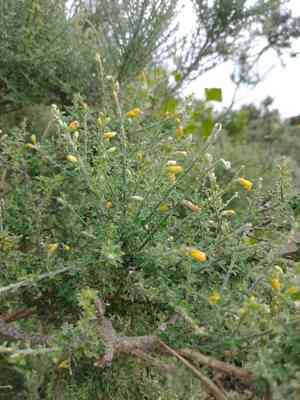
Images of Canary broom
Quickly Identify Canary broom
1
Identify Genista canariensis by its bright yellow, pea-like flowers, small and narrow green leaves, and characteristic legume pods. It often forms dense clusters and can be up to several meters tall.
Scientific Classification of Canary broom
Phylum
Vascular plants
Class
Dicotyledons
Order
Fabales
Family
Legume
Genus
Brooms
Species
Canary broom
Planting and Growing of Canary broom
Care Difficulty
Easy
Watering Schedule
Every 4 days
Sunlight Requirements
Full sun
Sunshine Duration
6-10 hours
Ideal Temperature
60-75℉
Soil Type
Potting Mix, Peat Mix
Soil pH
6.5-7.5
Fertilizer Type
Balanced
Pruning Season
Spring, Summer
Pruning Area
Branches, Leaves
Pruning Frequency
2 times a year
Repotting Season
Spring
Pot Type
Plastic, Ceramic
 How to Water Canary broom?
Genista canariensis requires moderate watering. Water until the top inch of soil is moist but ensure the excess drains well. This ensures roots have adequate moisture without becoming waterlogged.
What are the symptoms of an underwatered Canary broom?
›
What should I do if my Canary broom is not getting enough water?
›
What are the symptoms of an overwatered Canary broom?
›
How to save an overwatered Canary broom?
›
 What Are the Sunlight Requirements for Canary broom?
Genista canariensis thrives with a light range of full sun to partial sun. This ideal lighting ensures vigorous growth, ample blooming, and overall robust health, maximizing its ornamental appeal.
What is the ideal lighting for Genista canariensis?
›
How can one ensure the plant gets ideal lighting?
›
What benefits does ideal lighting offer?
›
 What Is the Ideal Temperature Range for Canary broom?
For Genista canariensis, the ideal temperature range is crucial for optimal growth. Maintaining temperatures between 60°F and 75°F ensures that the plant's metabolic processes occur efficiently. This range mimics the natural conditions of its native habitat, promoting healthy foliage and flowering without causing stress to the plant.
 What Soil is Best for Canary broom?
Genista canariensis thrives in soil that provides excellent drainage, preventing root rot and other moisture-related issues. Well-draining soil ensures the plant remains healthy, as excess water can stifle roots and stunt growth. To support the vibrant growth and flowering of Genista canariensis, a nutrient-rich soil is beneficial. While they are not heavy feeders, sufficient nutrients promote a robust plant with intense blooms. Maintaining a soil pH between 6.5 and 7.5 helps optimize nutrient uptake for Genista canariensis. This range supports the plant's health by providing an ideal environment for nutrient availability and root function.
 How to Fertilize Canary broom?
For Genista canariensis, apply a balanced liquid fertilizer diluted to half-strength. Use about 10 ml of diluted fertilizer per liter of water, ensuring not to over-fertilize. This plant thrives in well-drained soil, and controlled fertilization helps prevent root burn and excessive growth.
 How to Prune Canary broom?
Start by removing any dead or diseased stems to maintain plant health. Trim back branches that are out of control or too leggy to maintain a desirable shape. Focus on cutting above leaf nodes to encourage bushy growth. Genista canariensis benefits from being cut back by one-third of its height to help it maintain a compact form. Remove straggly stems selectively to promote a denser growth pattern.
 How to Propagate Canary broom plant?
1
Begin by filling the seed trays with a quality seed-starting mix. Sow the seeds of Genista canariensis lightly on the surface and cover with a thin layer of soil. Water gently to settle the soil.
2
Select healthy, non-flowering stems from the mother plant. Using pruning shears, cut about 4-6 inch sections, ensuring there are several nodes on each cutting for potential root development.
3
Dip the base of the cuttings into rooting hormone to encourage root growth. Plant the cuttings in a well-draining potting mix and water lightly. Cover them with a plastic bag to maintain humidity.
 How to Repot Canary broom plant?
1
Genista canariensis needs repotting when roots start peeking out from the drainage holes or the plant outgrows its pot. Typically, spring is an ideal time, as this season offers optimal conditions for root adjustment and new growth.
2
Select a pot that is slightly larger than the current one, ensuring it has proper drainage holes. A ceramic or terracotta pot is beneficial as it allows for air circulation, preventing root rot by offering better moisture management.
3
Opt for a well-draining sandy mix enriched with organic matter. This type of soil mimics its natural habitat, ensuring good drainage and providing essential nutrients, fostering health and robust growth post-repotting.
Toxicity
Ingestion
WARNING
The judgment on toxicity and danger is for reference only. We DO NOT GUARANTEE any accuracy of such judgment. Therefore, you SHALL NOT rely on such judgment. It is IMPORTANT TO SEEK PROFESSIONAL ADVICE in advance when necessary.



