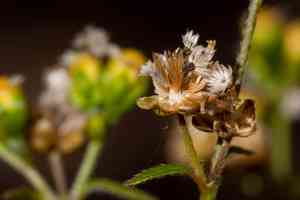
Gallant soldier (Galinsoga parviflora)
Also known as: Galinsoga, Potato weed
The plant species you're asking about is **Gallant Soldier (Galinsoga parviflora)**. Named after the Spanish botanist Galinsoga, this plant features many small flowers and is a relative of the sunflower. Despite its small blooms, each plant produces thousands of seeds. Importantly, it is toxic to goats, making it a weed that ranchers should be cautious of.
In This Article
Attributes of Gallant soldier
Lifespan
Annual
Plant Type
Herb
Plant Height
10 cm to 80 cm
Spread
50 cm
Leaf Color
Green Blue
Flower Size
3 cm
Flower Color
White Yellow
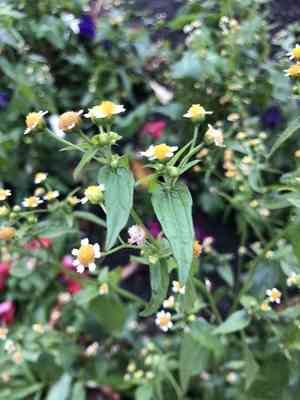
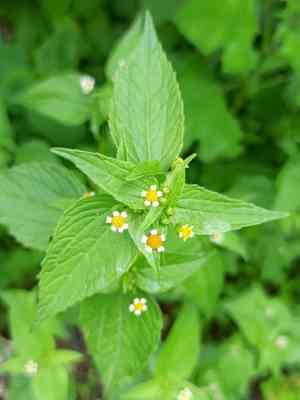
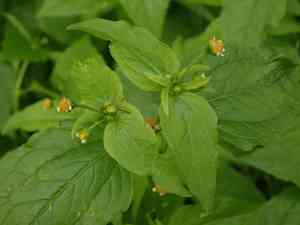
Images of Gallant soldier
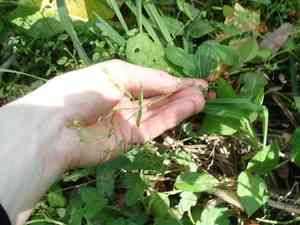
Quickly Identify Gallant soldier
1
Look for small, daisy-like flowers with white petals and a yellow center. The leaves are opposite, ovate with toothed edges. The plant has a branching habit and can grow quite prolifically.
Scientific Classification of Gallant soldier
Phylum
Vascular plants
Class
Dicotyledons
Order
Asterales
Family
Daisy
Genus
Gallant soldiers
Species
Gallant soldier
Planting and Growing of Gallant soldier
Care Difficulty
Easy
Watering Schedule
Every 2 days
Sunlight Requirements
Partial sun
Sunshine Duration
4-8 hours
Ideal Temperature
65-77℉
Soil Type
Potting Mix, Peat Mix
Soil pH
6.5-7.5
Fertilizer Type
Balanced
Pruning Season
Spring, Summer
Pruning Area
Branches, Leaves
Pruning Frequency
2 times a year
Repotting Season
Spring
Pot Type
Plastic, Ceramic
 How to Water Gallant soldier?
For Galinsoga parviflora, the watering principle is to keep the soil consistently moist but not waterlogged. Each watering should provide enough moisture to wet the soil to a depth of about 2 inches, ensuring healthy root growth without drowning the plant.
What are the symptoms of an underwatered Gallant soldier?
›
What should I do if my Gallant soldier is not getting enough water?
›
What are the symptoms of an overwatered Gallant soldier?
›
How to save an overwatered Gallant soldier?
›
 What Are the Sunlight Requirements for Gallant soldier?
Galinsoga parviflora benefits from partial sun, ideally four to six hours of sunlight daily. Proper light exposure encourages robust growth and optimal flower production, contributing to the plant's overall health and development.
What kind of sunlight is best for Galinsoga parviflora?
›
How to position the plant to get ideal lighting?
›
What benefits does the plant gain from ideal lighting?
›
 What Is the Ideal Temperature Range for Gallant soldier?
Galinsoga parviflora thrives best between 65°F and 77°F. This temperature range provides optimal conditions for photosynthesis and nutrient uptake, promoting vigorous growth and overall plant health. Staying within this range ensures that the plant experiences minimal stress and maximizes its reproductive potential.
 What Soil is Best for Gallant soldier?
Galinsoga parviflora thrives best in well-draining soil to prevent waterlogging, which can lead to root rot. This ensures that the roots receive enough oxygen and nutrients to sustain healthy growth. A soil enriched with organic matter is beneficial for Galinsoga parviflora as it provides the necessary nutrients for robust plant development. This enhances the plant's ability to produce lush foliage and abundant blooms. Moderate moisture retention is key for maintaining the delicate balance of hydration in the soil. Galinsoga parviflora requires consistent moisture without being overly wet, supporting healthy plant metabolism.
 How to Fertilize Gallant soldier?
When fertilizing Galinsoga parviflora, use a balanced, water-soluble fertilizer diluted to half strength. Each application should not exceed one tablespoon of fertilizer in one gallon of water to avoid nutrient burn.
 How to Prune Gallant soldier?
Focus on removing dead or damaged stems to improve air circulation and encourage new growth. Trim back any leggy stems to encourage a bushier shape. Cut back to just above a node or leaf joint to stimulate healthy regeneration. Galinsoga parviflora is known to be quite prolific in spreading. Regular pruning not only enhances shape but also helps prevent it from self-seeding uncontrollably. Removing flowers before they set seed helps manage its growth habit. Due to its invasive nature, ensure that all pruned material is disposed of correctly to prevent unwanted spreading. Avoid composting unless you are certain that the process will kill seeds.
 How to Propagate Gallant soldier plant?
1
Soak the seeds in water for about 12 hours before sowing. This helps in softening the seed coat and promotes faster and more uniform germination.
2
Scatter the soaked seeds evenly over the surface of the seed tray filled with a quality soil mix. Cover them lightly with a thin layer of soil or vermiculite.
3
Water the seed tray gently to avoid displacing the seeds. Ensure that the soil remains consistently moist but not overly wet to encourage germination.
 How to Repot Gallant soldier plant?
1
Galinsoga parviflora shows visible signs when it needs repotting. Look for roots growing out of drainage holes, the plant appearing too large for its pot, or soil that dries out too quickly. These indicate that the plant has outgrown its current home and needs a bigger space to thrive.
2
The right pot should have proper drainage holes to prevent waterlogging, which is crucial for this plant. A size slightly larger than the current pot is ideal, providing room for root expansion without overwhelming the plant with too much soil that retains water.
3
Opt for a well-draining potting mix to ensure excess moisture does not lead to root rot. A blend including peat, perlite, or sand is beneficial for Galinsoga parviflora, maintaining the necessary balance of moisture retention and aeration.


