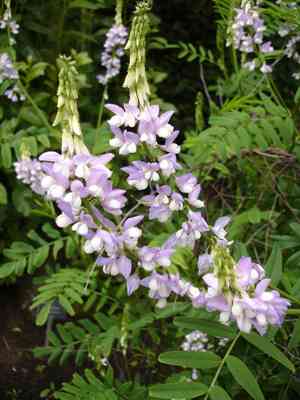
Goat's-rue (Galega officinalis)
Also known as: Galega, Italian fitch
Crown vetch (Securigera varia) is a pale pink-flowered plant in the pea family. Originally hailing from the Middle East, it has spread across Eurasia, New Zealand, and North America, where it is frequently regarded as an invasive species.
In This Article
Attributes of Goat's-rue
Lifespan
Perennial, Annual
Plant Type
Herb
Plant Height
40 cm to 1 m
Spread
70 cm to 90 cm
Leaf Color
Green
Flower Size
1-2 cm (0.4-0.8 inches)
Flower Color
White Pink Purple
Images of Goat's-rue
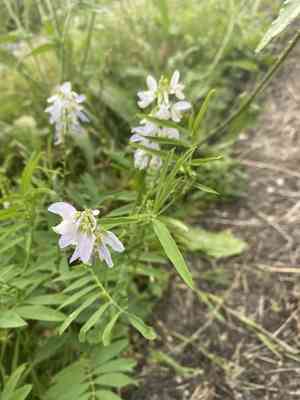
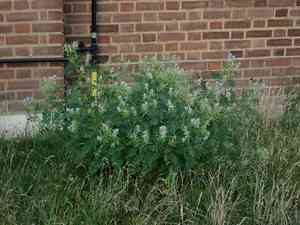
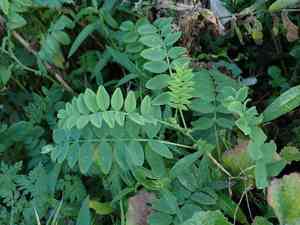
Quickly Identify Goat's-rue
1
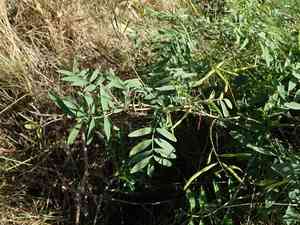
Galega officinalis can be identified by its tall, herbaceous stems, pinnate leaves, and clusters of small, pea-like flowers that range from white to violet. It is commonly found in moist meadows and along riverbanks.
Scientific Classification of Goat's-rue
Phylum
Vascular plants
Class
Dicotyledons
Order
Fabales
Family
Legume
Genus
Goat's rues
Species
Goat's-rue
Planting and Growing of Goat's-rue
Care Difficulty
Easy
Watering Schedule
Every 8 days
Sunlight Requirements
Full sun
Sunshine Duration
4-8 hours
Ideal Temperature
60-77℉
Soil Type
Potting Mix, Peat Mix
Soil pH
6-7.5
Fertilizer Type
Balanced
Pruning Season
Spring, Summer
Pruning Area
Branches, Leaves
Pruning Frequency
2 times a year
Repotting Season
Spring
Pot Type
Plastic, Ceramic
 How to Water Goat's-rue?
Galega officinalis prefers moist but well-drained soil. Water the plant until the topsoil is moist but not waterlogged, generally about 500ml per watering is ideal for each plant. This helps to maintain the right moisture balance without over-saturating the soil.
What are the symptoms of an underwatered Goat's-rue?
›
What should I do if my Goat's-rue is not getting enough water?
›
What are the symptoms of an overwatered Goat's-rue?
›
How to save an overwatered Goat's-rue?
›
 What Are the Sunlight Requirements for Goat's-rue?
Galega officinalis flourishes in full sun to partial sun, benefiting from approximately 6-8 hours of light daily. Ideal light maximizes growth, photosynthesis efficiency, and leads to prolific flowering.
More About Sunlight Requirements Techniques→
What is the ideal sunlight exposure for Galega officinalis?
›
How can I ensure my Galega officinalis receives the best light conditions?
›
What benefits does Galega officinalis gain from ideal light conditions?
›
 What Is the Ideal Temperature Range for Goat's-rue?
The ideal temperature range for growing Galega officinalis lies between 60°F and 77°F. This range ensures optimal metabolic activities, promoting robust growth and health of the plant. Maintaining temperatures within this range provides a stable environment that supports the plant's photosynthesis and nutrient uptake processes efficiently.
 What Soil is Best for Goat's-rue?
Galega officinalis thrives in well-drained soils that prevent waterlogging, which can suffocate the roots and lead to rot. Ensuring good drainage benefits the plant by supporting robust root health and fostering vigorous growth. These plants prefer soil enriched with organic matter, as it provides essential nutrients for their growth. A nutrient-rich soil boosts plant vitality, leading to healthy foliage and abundant flowering. Soil that retains moderate moisture is ideal for Galega officinalis, as it permits consistent hydration without creating overly wet conditions. This balance supports steady metabolic processes in the plant, enhancing its overall development.
 How to Fertilize Goat's-rue?
For Galega officinalis, the recommended amount of fertilizer varies based on the type of fertilizer used. Typically, a diluted liquid fertilizer should be used at half the strength suggested on the label to prevent overfeeding. Solid, slow-release fertilizers should follow the manufacturer's instructions while erring slightly on the lower end of the suggested range.
 How to Prune Goat's-rue?
Excessive pruning can stress Galega officinalis, hindering its growth and flowering capabilities. Limit the removal to a third of the plant at any one time, allowing it to recover and thrive. This plant may exude a sap when cut. It’s essential to wear gloves to avoid skin irritation, and any sap on your tools should be cleaned to prevent them from becoming sticky or rusty. After pruning, keep an eye on the plant for new shoots and ensure that growth is evenly distributed. This monitoring helps you make timely trims and supports optimal plant health all year.
More About Pruning Techniques→
 How to Propagate Goat's-rue plant?
1
Prepare seed trays with well-draining soil. Sow Galega officinalis seeds thinly and cover them lightly with soil. Keep the trays in a warm location and maintain consistent moisture for optimal germination.
2
Select healthy stems and use sharp pruners to take cuttings of about 10cm in length during the spring. Remove lower leaves and dip the cut end in rooting hormone before planting in a sand-peat mixture.
3
In early spring, carefully dig up established plants and divide them using a sharp spade or knife. Ensure each division has roots attached. Replant the divisions promptly and water thoroughly to help them establish.
 How to Repot Goat's-rue plant?
1
Galega officinalis shows signs it's ready for repotting when roots start emerging from drainage holes or the soil's surface. Spring is ideal, with its moderate temperatures and active growth, allowing the plant to quickly adapt to its new pot.
2
Choose a pot slightly larger than the current one, preferably with adequate drainage holes. This allows room for root expansion without suffocating the plant, enhancing its access to nutrients and promoting healthier growth.
3
Select a well-draining loamy soil mix, rich in organic matter. This soil type facilitates aeration, retains essential moisture, and provides the ideal nutrient environment, supporting robust plant health.
Toxicity
Ingestion
WARNING
The judgment on toxicity and danger is for reference only. We DO NOT GUARANTEE any accuracy of such judgment. Therefore, you SHALL NOT rely on such judgment. It is IMPORTANT TO SEEK PROFESSIONAL ADVICE in advance when necessary.
Learn More About Goat's-rue Diseases
Anthracnose
Bacterial Leaf Spot
Bacterial Wilt
Crown Gall
Cyst Nematode
Damping-off
Downy Mildew
Drought Stress
Fusarium Wilt
Gray Mold
Leaf Spot
Mosaic
Nutrient Deficiency
Nutrient Toxicity
Powdery Mildew
Root Rot
Root-knot Nematode
Rusts
Sooty Mold
Spider Mites
Temperature Stress
Thrips Damage
White Mold



