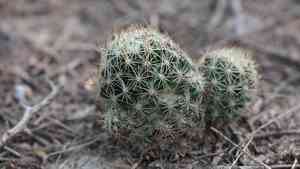
Junior tom thumb cactus (Escobaria emskoetteriana)
Also known as: Pincushion Cactus
The Junior tom thumb cactus, known for its resilience, excels in harsh desert environments. Its compact, spherical to cylindrical shape is covered with dense, tiny spines that protect it from the intense sun and herbivores. This cactus produces white to pinkish flowers to attract scarce pollinators in its arid habitat. Its thick stem efficiently stores water, ensuring survival during prolonged droughts. These characteristics collectively enable the Junior tom thumb cactus to endure and thrive where many other plants cannot.
In This Article
Attributes of Junior tom thumb cactus
Lifespan
Perennial
Plant Type
Succulent
Plant Height
5-15 cm
Spread
5-10 cm
Leaf Color
Green (covered by dense spines)
Flower Size
2-3 cm
Flower Color
Pink to reddish-pink
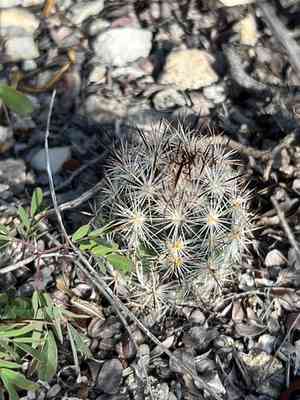
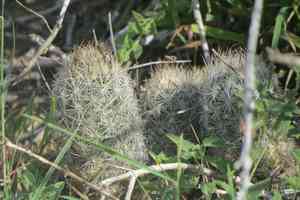
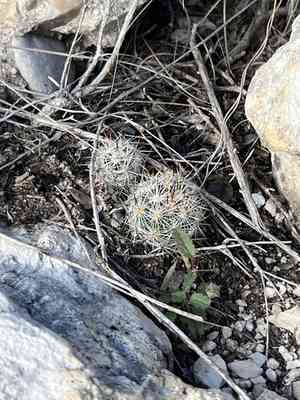
Images of Junior tom thumb cactus
Quickly Identify Junior tom thumb cactus
1
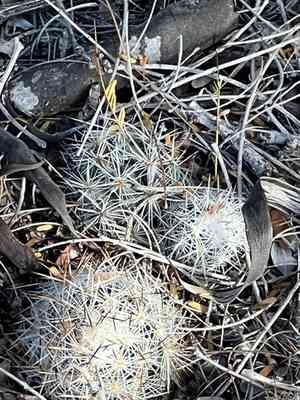
Look for small, globular cactus with dense, white to creamy spines. Flowers are usually pink to reddish-pink and appear at the top of the cactus.
Scientific Classification of Junior tom thumb cactus
Phylum
Vascular plants
Class
Dicotyledons
Order
Caryophyllales
Family
Cactuses
Genus
Foxtail cactus
Species
Junior tom thumb cactus
Planting and Growing of Junior tom thumb cactus
Care Difficulty
Moderate
Watering Schedule
Every 2 days
Sunlight Requirements
Full sun
Sunshine Duration
4-8 hours
Ideal Temperature
65-75℉
Soil Type
Potting Mix, Peat Mix
Soil pH
6.5-7.5
Fertilizer Type
Balanced
Pruning Season
Spring, Summer
Pruning Area
Branches, Leaves
Pruning Frequency
2 times a year
Repotting Season
Spring
Pot Type
Plastic, Terracotta
 How to Water Junior tom thumb cactus?
Escobaria emskoetteriana thrives with sparse watering. To simulate its natural desert habitat, ensure the soil is thoroughly drenched but not swampy, allowing excess water to escape. The goal is to moisten the roots but not let the plant sit in water.
What are the symptoms of an underwatered Junior tom thumb cactus?
›
What should I do if my Junior tom thumb cactus is not getting enough water?
›
What are the symptoms of an overwatered Junior tom thumb cactus?
›
How to save an overwatered Junior tom thumb cactus?
›
 What Are the Sunlight Requirements for Junior tom thumb cactus?
Escobaria emskoetteriana benefits from 6 to 8 hours of bright light daily, fostering healthy growth and flowering while keeping its form robust and compact.
What is the best lighting condition?
›
How to achieve ideal lighting?
›
Benefits of ideal lighting?
›
 What Is the Ideal Temperature Range for Junior tom thumb cactus?
The ideal temperature range for Escobaria emskoetteriana is between 65°F and 75°F. Within this range, the plant can efficiently undergo photosynthesis, ensuring optimal growth and flowering. It mimics the warm, arid conditions of its native habitat, providing the necessary warmth for cellular functions and development.
 What Soil is Best for Junior tom thumb cactus?
Escobaria emskoetteriana thrives in well-draining soil which prevents water from sitting at the roots, reducing the risk of root rot and ensuring healthy growth. This cactus appreciates a gravelly soil texture that mimics its natural habitat by allowing quick water pass-through, promoting healthier roots and a sturdy plant. A soil that is not overly fertile suits Escobaria emskoetteriana perfectly, as rich soils can lead to excessive moisture retention and potential rot.
 How to Fertilize Junior tom thumb cactus?
Escobaria emskoetteriana, a resilient cactus, thrives on minimal fertilization. Typically, a dilute solution of cactus fertilizer should be applied at half the recommended strength. A concentration of about 1/4 to 1/2 teaspoon per gallon of water is often sufficient. Ensuring not to over-fertilize is crucial, as these plants are accustomed to nutrient-poor environments.
 How to Prune Junior tom thumb cactus?
Examine the plant for any overgrown, dead, or diseased sections. These are the areas that require pruning. Removing them helps the plant redirect energy towards healthy growth and flowering. Make precise, clean shear cuts at the base of the section you wish to remove. Avoid tearing the tissue, which can cause unnecessary damage and stress to the plant. After pruning, do not water the plant immediately to prevent any potential rot. Allow the cut areas to callous over for a few days before resuming regular watering schedules.
More About Pruning Techniques→
 How to Propagate Junior tom thumb cactus plant?
1
Start by preparing a well-draining soil mix to fill your seed tray. Scatter the seeds evenly and cover them lightly with the soil mix. Water gently to keep the soil moist but not soggy.
2
Use a sterile knife to cut healthy sections from the parent plant. The ideal cutting should be a few inches long, with at least one or two growing nodes. Let the cuttings dry for a day before planting them.
3
Plant the prepared cuttings into a potting mix suitable for cacti and succulents. Ensure that the mix is dampened before planting, and insert the cuttings about an inch deep. Place the pots in a shaded area until roots develop.
 How to Repot Junior tom thumb cactus plant?
1
Repot Escobaria emskoetteriana when the plant outgrows its container or shows signs of poor drainage. The beginning of the growing season, in spring or early summer, is an ideal time, ensuring the cactus is actively growing and can recover quickly from the shock.
2
Select a pot slightly larger than the current one with drainage holes to prevent waterlogging. A terracotta pot is preferable as it allows the soil to dry quicker, preventing root rot—a common issue among cacti kept in poorly ventilated containers.
3
Opt for a well-draining cactus mix, possibly adding extra perlite or pumice. This mix prevents water retention, promoting healthy root systems as the porous materials provide excellent aeration and prevent water from sitting in the root zone.



