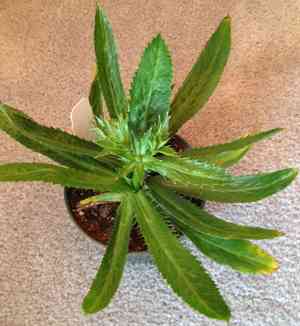
Culantro (Eryngium foetidum)
Also known as: Long Coriander, Spiritweed
Culantro, distinct from cilantro and coriander, is a potent herb featured in East Asian, Latin American, and Caribbean cuisines. Its cultivation is on the rise globally due to increasing demand. In tropical regions, culantro thrives as a perennial, but in colder climates, it is typically grown as an annual.
In This Article
Attributes of Culantro
Lifespan
Annual, Perennial, Biennial
Plant Type
Herb
Plant Height
50 cm
Spread
50 cm
Leaf Color
Green
Flower Size
2.5 cm
Flower Color
Green White
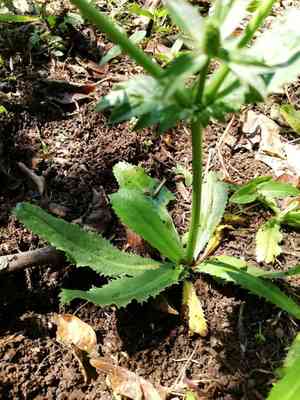
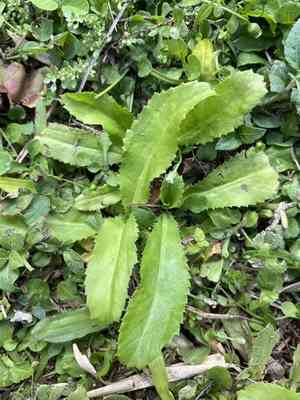
Images of Culantro


Quickly Identify Culantro
1
Eryngium foetidum can be identified by its elongated, saw-toothed leaves that grow in a rosette pattern. The leaves have a distinctive pungent aroma. It also produces small, greenish-white flowers clustered in a spiky, conical shape.
Scientific Classification of Culantro
Phylum
Vascular plants
Class
Dicotyledons
Order
Carrots, ivies and allies
Family
Umbellifers
Genus
Eryngos
Species
Culantro
Planting and Growing of Culantro
Care Difficulty
Easy
Watering Schedule
Every 4 days
Sunlight Requirements
Partial sun
Sunshine Duration
4-8 hours
Ideal Temperature
70-85℉
Soil Type
Potting Mix, Peat Mix
Soil pH
6.5-7.5
Fertilizer Type
Balanced
Pruning Season
Spring, Summer
Pruning Area
Branches, Leaves
Pruning Frequency
Once a year
Repotting Season
Spring
Pot Type
Plastic, Ceramic
 How to Water Culantro?
Eryngium foetidum prefers soil that is consistently moist but not waterlogged. When watering, ensure the soil is evenly moist, allowing excess water to drain freely. The goal is to provide sufficient water to keep the soil moist down to the root level without causing standing water.
What are the symptoms of an underwatered Culantro?
›
What should I do if my Culantro is not getting enough water?
›
What are the symptoms of an overwatered Culantro?
›
How to save an overwatered Culantro?
›
 What Are the Sunlight Requirements for Culantro?
Partial sun or full shade is ideal, providing Eryngium foetidum with a stable environment that supports robust growth and resilience. This balanced light supports vibrant foliage and consistent flowering without exposing the plant to harmful stress.
What are the best lighting conditions for Eryngium foetidum?
›
How can I achieve ideal lighting for Eryngium foetidum?
›
What benefits does Eryngium foetidum gain from ideal lighting?
›
 What Is the Ideal Temperature Range for Culantro?
For optimal growth, Eryngium foetidum should be maintained in temperatures ranging from 70°F to 85°F. This range supports vigorous growth and healthy foliage. Providing indirect sunlight and maintaining humidity levels can further enhance its growth.
 What Soil is Best for Culantro?
Eryngium foetidum thrives in soil that offers excellent drainage to prevent waterlogging and root rot. It ensures that the plant roots remain aerated, promoting healthy growth and preventing diseases caused by excess moisture. A nutrient-rich loam soil is ideal for Eryngium foetidum to supply essential minerals and nutrients needed for its lush growth. This type of soil helps the plant develop robust foliage and aromatic leaves, which are often used in culinary dishes. While Eryngium foetidum does not demand extremely fertile soil, a moderate level is beneficial. This allows for sustained growth throughout its lifecycle, translating to better yield and healthier leaves.
 How to Fertilize Culantro?
Eryngium foetidum benefits from balanced nutrient intake. Use a liquid fertilizer diluted to half-strength to ensure that the plant isn't overwhelmed. Apply about 1 tablespoon per gallon of water. For solid fertilizer, use around 1 ounce per square foot when applying a slow-release kind. Adjust based on plant size and growth phase.
 How to Prune Culantro?
Look for older, yellowing leaves or those that are damaged. Cutting these off will encourage new growth and concentration of nutrients on healthier parts of the plant. Make your cuts just above a leaf node to promote bushier growth. This technique helps the plant to branch out, making it fuller and more attractive. If desired, trim the plant to maintain a compact growth habit, especially if it's growing outside its designated space. Be mindful not to remove more than one-third of the plant at a time.
 How to Propagate Culantro plant?
1
Sow Eryngium foetidum seeds in seed trays filled with well-draining soil in late spring. Cover the seeds lightly with soil, and maintain consistent moisture until germination occurs.
2
Select a healthy stem and use sharp pruners to cut a section about 5-7 cm long. Remove the lower leaves to ensure no leaves are in contact with the soil.
3
Insert the prepared cutting into a pot filled with a mix of perlite and peat moss. Ensure the cutting is stable and mist it regularly to maintain humidity.
 How to Repot Culantro plant?
1
Repotting Eryngium foetidum is ideal when you notice roots crowding or emerging from drainage holes. This often indicates the plant has outgrown its current container and needs more space to flourish. Early spring or summer is best, as it minimizes shock and allows for rapid recovery.
2
Select a pot one to two inches larger in diameter than the current one. Ensure it has sufficient drainage holes to prevent waterlogging, promoting healthier root growth and preventing root rot, which this plant can be prone to in stagnating water.
3
Opt for a well-draining organic soil mix enriched with compost. This substrate supports root health with good aeration and moisture balance, reducing the risk of waterlogging while providing essential nutrients for robust growth.



