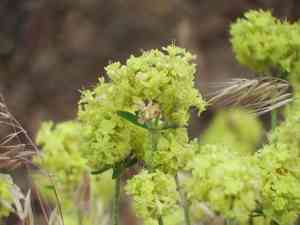
Rock buckwheat (Eriogonum sphaerocephalum)
Also known as: Halimium wild buckwheat
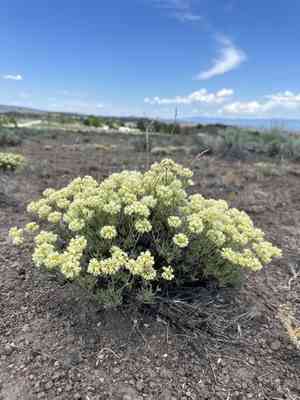
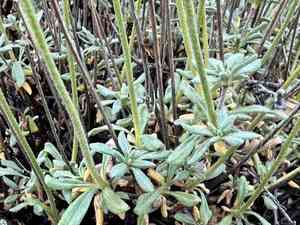
This plant is a diminutive shrub or subshrub, reaching up to 50 centimeters in both height and width. It develops from a caudex and sends up upright flowering stems. The leaves are woolly, ranging from lance-shaped to somewhat oval, and measure 1 to 4 centimeters in length, forming basal rosettes around the caudex. The inflorescence grows on a stalk, presenting numerous yellow flowers clustered in a head-like formation or umbel.
In This Article
Attributes of Rock buckwheat
Lifespan
Perennial
Plant Type
Shrub
Plant Height
15 cm to 41 cm
Spread
Approximately 45 cm (18 inches)
Leaf Color
Bluish-green
Flower Size
2 to 4 cm (0.8 to 1.6 inches)
Flower Color
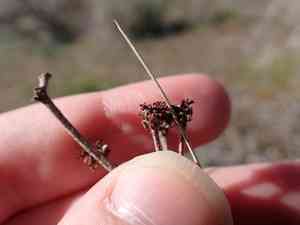
Yellow, turns reddish-brown with age
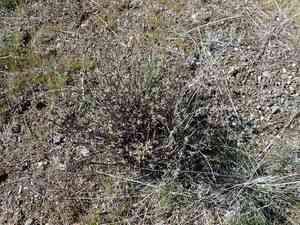
Images of Rock buckwheat
Quickly Identify Rock buckwheat
1
Identify Eriogonum sphaerocephalum by its round, dense flower heads that turn from yellow to reddish-brown as they age. Its leaves are typically bluish-green and can be found clustered near the base of the plant.
Scientific Classification of Rock buckwheat
Phylum
Vascular plants
Class
Dicotyledons
Order
Caryophyllales
Family
Buckwheat
Genus
Wild Buckwheat
Species
Rock buckwheat
Planting and Growing of Rock buckwheat
Care Difficulty
Easy
Watering Schedule
Every 2 days
Sunlight Requirements
Full sun
Sunshine Duration
6-12 hours
Ideal Temperature
60-75℉
Soil Type
Potting Mix, Peat Mix
Soil pH
6.5-7.5
Fertilizer Type
Balanced
Pruning Season
Spring, Summer
Pruning Area
Branches, Leaves
Pruning Frequency
2 times a year
Repotting Season
Spring
Pot Type
Plastic, Ceramic
 How to Water Rock buckwheat?
The watering amount for Eriogonum sphaerocephalum should be approximately 150 milliliters each time. This plant prefers a relatively dry environment, so ensure the soil is mostly dry before the next watering session. Always water thoroughly until you notice a slight drainage from the bottom of the pot, ensuring that the roots receive adequate moisture without becoming waterlogged.
What are the symptoms of an underwatered Rock buckwheat?
›
What should I do if my Rock buckwheat is not getting enough water?
›
What are the symptoms of an overwatered Rock buckwheat?
›
How to save an overwatered Rock buckwheat?
›
 What Are the Sunlight Requirements for Rock buckwheat?
Eriogonum sphaerocephalum thrives best in full sun, benefiting from the energy provided for vigorous growth and abundant flowering. Ideal lighting ensures a resilient plant structure and a stunning display of blooms.
What is the ideal sunlight condition for Eriogonum sphaerocephalum?
›
How can I ensure Eriogonum sphaerocephalum receives enough sunlight?
›
What benefits does Eriogonum sphaerocephalum get from ideal sunlight?
›
 What Is the Ideal Temperature Range for Rock buckwheat?
For optimal growth, Eriogonum sphaerocephalum requires temperatures between 60°F and 75°F. This range provides the best conditions for physiological activities such as photosynthesis and growth. Maintaining this temperature can help the plant develop healthily and resist diseases.
 What Soil is Best for Rock buckwheat?
Eriogonum sphaerocephalum thrives in well-drained soil, which helps prevent root rot and allows the roots to access necessary air and nutrients. This plant's compatibility with well-drained soils means it's ideal for gardeners dealing with heavier rainfalls or over-watering issues. This plant does well in nutrient-poor conditions, often found in its native sandy or rocky habitats. Such soil mimics its natural environment, promoting robust growth and blooming despite low nutrient levels, thereby saving on fertilizer costs. A moderate amount of organic matter is beneficial for Eriogonum sphaerocephalum. It improves soil structure, retains moisture during dry periods without waterlogging, and offers slow-release nutrients, aiding in sustained and balanced growth.
 How to Fertilize Rock buckwheat?
Eriogonum sphaerocephalum, commonly known as the Round-headed Buckwheat, requires a moderate amount of fertilizer. Use about half the recommended dose on the package for liquid fertilizers, as this plant thrives in lower fertility soils. Be cautious not to exceed as it is adapted to nutrient-poor environments, excessive nutrients could harm its natural flowering and growth cycle.
 How to Prune Rock buckwheat?
Begin pruning Eriogonum sphaerocephalum in early spring just as new growth starts. Trim older, woody stems by up to a third, focusing on areas that appear overgrown or leggy. Use sharp, clean pruning shears to ensure a clean cut. Shape the plant by snipping back longer stems to maintain a rounded form. This not only promotes an aesthetically pleasing appearance but also encourages fuller growth and a more vibrant display of the plant's naturally round flower heads during blooming.
More About Pruning Techniques→
 How to Propagate Rock buckwheat plant?
1
Start with a well-draining soil mix by combining equal parts of potting soil, perlite, and sand. This mixture helps prevent excess moisture, which can lead to root rot.
2
Sow the seeds on the surface of the soil and lightly cover them with a thin layer of soil. Keep the soil moist but not waterlogged and maintain it at a temperature between 18-24°C (65-75°F).
3
Select a healthy stem and cut a 4-6 inch segment. Remove the lower leaves and dip the cut end in rooting hormone to encourage root development before planting it in a pot of damp soil mix.
 How to Repot Rock buckwheat plant?
1
Repotting should be considered when Eriogonum sphaerocephalum outgrows its container, usually indicated by roots visible at drainage holes or slowed growth. Spring is ideal as the plant is entering its active growth phase, which helps in recovery.
2
Select a pot that is one size larger than the current one, with ample drainage holes. A breathable material like terracotta is beneficial as it helps prevent root rot by allowing moisture to evaporate more efficiently.
3
Opt for a well-draining sandy soil mix. This helps replicate the plant's natural habitat, preventing water from pooling and ensuring roots receive adequate aeration, which is crucial for healthy growth.
Learn More About Rock buckwheat Diseases
Anthracnose
Bacterial Leaf Spot
Bacterial Wilt
Black Spot
Chemical Injury
Crown Gall
Cyst Nematode
Damping-off
Downy Mildew
Drought Stress
Fusarium Wilt
Gray Mold
Leaf Curl
Leaf Spot
Mosaic
Nutrient Deficiency
Nutrient Toxicity
Powdery Mildew
Root Rot
Root-knot Nematode
Rusts
Sooty Mold
Spider Mites
Temperature Stress
Thrips Damage
White Mold



