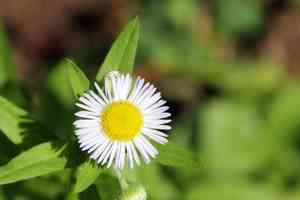
Annual fleabane(Erigeron annuus)

Annual fleabane (Erigeron annuus)

Also known as: White top, Sweet scabious

Though originally from North America, annual fleabane (Erigeron annuus) has spread to various regions globally, including 43 U.S. states. While it serves as a nectar source for bees, flies, wasps, and butterflies, its invasive nature poses a threat to native ecosystems. It can dominate local flora, leading to reduced biodiversity and disruptions in plant and animal communities. In agricultural settings, it can act as a weed, complicating crop management and increasing costs.

Attributes of Annual fleabane

Lifespan
Annual, Biennial
Plant Type
Herb
Plant Height
10 cm to 1.5 m
Spread
50 cm
Leaf Color
Green
Flower Size
1 cm to 1.5 cm
Flower Color
White Yellow

ForwardPlant - Identify plants with a snap

Identify and diagnose plants, get toxicity alerts, and explore safety guides for all types of fungi.

Try for Free

Images of Annual fleabane

Annual fleabane(Erigeron annuus)

Quickly Identify Annual fleabane

1
Erigeron annuus can be identified by its numerous small white or pale lavender ray flowers surrounding a yellow central disk. The plant typically has a leafy stem that is sparsely to densely covered with short, stiff hairs. The leaves are lance-shaped, toothed, and arranged alternately along the stem.

Scientific Classification of Annual fleabane

Phylum
Vascular plants
Class
Dicotyledons
Order
Asterales
Family
Daisy
Genus
Fleabanes
Species
Annual fleabane

Planting and Growing of Annual fleabane

Care Difficulty
Easy
Watering Schedule
Every 5 days
Sunlight Requirements
Full sun
Sunshine Duration
6-10 hours
Ideal Temperature
60-75℉
Soil Type
Potting Mix, Peat Mix
Soil pH
6-7.5
Fertilizer Type
Balanced
Pruning Season
Spring, Summer
Pruning Area
Branches, Leaves
Pruning Frequency
2 times a year
Repotting Season
Spring
Pot Type
Plastic, Ceramic

water icon How to Water Annual fleabane?

For Erigeron annuus, aim to keep the soil consistently moist but not waterlogged. Generally, ensuring around 200 milliliters per watering session should suffice. Adjust based on the plant's environment, focusing on maintaining even moisture without over-saturation.
What are the symptoms of an underwatered Annual fleabane?
What should I do if my Annual fleabane is not getting enough water?
What are the symptoms of an overwatered Annual fleabane?
How to save an overwatered Annual fleabane?

sunlight icon What Are the Sunlight Requirements for Annual fleabane?

Sunlight Requirements: Full sun, Partial sun
Duration of light: 6 to 8 hours
Erigeron annuus thrives best in full sun to partial sun, benefiting greatly from around 6 to 8 hours of light daily, which promotes vibrant flowering and healthy foliage development.
What is the best location for Erigeron annuus?
How can you maximize light exposure effectively?
What are the benefits of optimal lighting for this plant?

temperature icon What Is the Ideal Temperature Range for Annual fleabane?

Ideal Temperature: 60 ~ 75℉
Erigeron annuus thrives best in mild climates, preferring temperatures between 60°F to 75°F. In such conditions, the plant can grow optimally, producing vibrant flowers and healthy foliage. These temperatures resemble the plant's natural environment, supporting its growth cycle efficiently.

soil icon What Soil is Best for Annual fleabane?

Soil type: Sandy soil, Loam, Clay soil
Soil PH: 6 ~ 7.5
Erigeron annuus thrives in nutrient-rich soil, which provides the essential minerals and nutrients necessary for robust growth and vibrant blooms. Ensuring the soil is enriched with organic matter like compost or well-rotted manure can significantly enhance the plant's health and flowering potential. Good drainage is vital for Erigeron annuus to prevent waterlogging and root rot. Sandy soil or loam with excellent drainage ensures that water does not accumulate around the roots, promoting healthy plant development and reducing diseases. Maintaining moderate moisture levels in the soil is important for Erigeron annuus. While the plant can tolerate some drought, consistently moderate moisture will prevent stress and allow for optimal growth, leading to denser foliage and more prolific flowering.

fertilize icon How to Fertilize Annual fleabane?

Fertilizer type: Balanced
Erigeron annuus prefers a balanced fertilization approach. Typically, it requires just enough to boost its growth without overwhelming it. For liquid fertilizers, use a diluted solution at a quarter of the recommended strength. Solid fertilizers should be applied sparingly, ensuring that the soil gets enriched gradually. It is vital to observe the plant’s response and adjust as necessary.

prune icon How to Prune Annual fleabane?

Pruning Time: Spring, Summer, Autumn
First, remove any dead, damaged, or diseased stems. These are usually discolored and brittle. Cutting these away will help the plant focus its energy on healthy growth. Make cuts just above a healthy bud or side branch. To maintain its shape and encourage fuller growth, trim back stems that are making your Erigeron annuus too tall or bushy. Aim for a balanced shape that allows good air circulation to prevent fungal issues. After the plant has flowered, deadhead spent blooms by cutting them back to the nearest set of leaves. This not only tidies up the plant but also encourages it to produce more flowers throughout its growing season.

propagate icon How to Propagate Annual fleabane plant?

Propagate Time: Spring, Early summer
1
Sow seeds on the surface of a well-draining potting mix in a seed tray. Lightly cover the seeds with a thin layer of compost and water gently to ensure moisture. Maintain a warm environment for optimal germination.
2
Use sharp pruning shears to take 3-4 inch cuttings from healthy plants. Remove the lower leaves, dip the cut end in rooting hormone to encourage root growth, and plant in a prepared potting medium.
3
Divide mature clumps of Erigeron annuus early in the growing season. Dig up the entire plant and separate roots carefully. Replant divided sections in desired locations, ensuring good soil contact and regular watering.

repot icon How to Repot Annual fleabane plant?

Repotting frequency: Every 1-2 years
1
Erigeron annuus typically requires repotting when you notice roots coming out of the drainage holes or when its growth seems stunted. The best signal to repot is overcrowding in its existing pot. This usually occurs every 1-2 years, providing the plant ample space to breathe and expand its roots.
2
Select a pot that is 1-2 inches larger in diameter than the current one. Ensure it has adequate drainage holes to prevent waterlogging, which Erigeron annuus is particularly sensitive to. A slightly larger pot promotes optimal growth while preventing water retention, keeping the roots healthy and promoting robust foliage.
3
Opt for well-draining loamy soil, which aids in preventing root rot. This type of soil allows for good water retention while also ensuring excess water quickly drains away, maintaining an ideal balance of moisture and aeration for Erigeron annuus to thrive.

ForwardPlant - Identify plants with a snap

Find the best spots for them to optimize their health, simply using your phone.

Try for Free

Toxicity of Annual fleabane

Is Annual fleabane toxic to cat?

Annual fleabane poses a toxic threat to cats and may cause poisoning if accidentally ingested. Each part of the plant is dangerous and can lead to cats displaying symptoms of physical distress or illness. Should a cat ingest any portion of annual fleabane, it is essential for pet owners to urgently obtain professional care at a veterinary facility to mitigate any health complications stemming from the toxic exposure.

Is Annual fleabane toxic to dog?

Annual fleabane is recognized as toxic to dogs. Canines may unintentionally consume various parts of this plant, resulting in potential poisoning. Every part of annual fleabane—including leaves, stems, flowers, and roots—contains toxic substances, meaning that ingestion of any of these sections can present a danger. Signs of poisoning in dogs can differ, but may include vomiting, diarrhea, lethargy, or more severe symptoms based on the amount ingested and the individual dog's sensitivity. If a dog consumes annual fleabane, it is crucial for pet owners to seek immediate veterinary assistance to ensure the best possible outcome for their animal.

Identify toxic plants for your safety

Learn which plants are harmful to you and your pets, and make informed choices for a safer home!

Try for Free
WARNING
The judgment on toxicity and danger is for reference only. We DO NOT GUARANTEE any accuracy of such judgment. Therefore, you SHALL NOT rely on such judgment. It is IMPORTANT TO SEEK PROFESSIONAL ADVICE in advance when necessary.
More About Toxic Techniques

