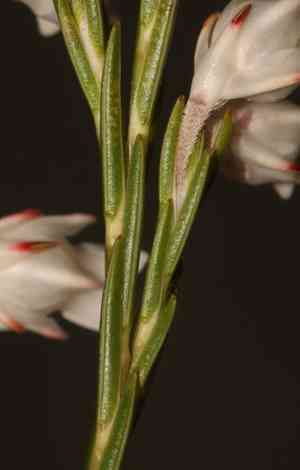
Erica dianthifolia (Erica dianthifolia)
Erica dianthifolia is a charming shrub characterized by needle-like foliage and abundant flower clusters resembling tiny dianthus blooms. Typically found in well-drained, acidic soils, this plant thrives in open, sunny habitats. The vibrant flowers, ranging from pink to coral, emerge in a profusion that blankets the greenery, attracting pollinators and enlivening native landscapes with its colorful display.
In This Article
Attributes of Erica dianthifolia
Lifespan
Perennial
Plant Type
Shrub
Plant Height
0.1 to 0.3 meters
Spread
0.2 to 0.4 meters
Leaf Color
Green
Flower Size
0.5 to 1 cm
Flower Color
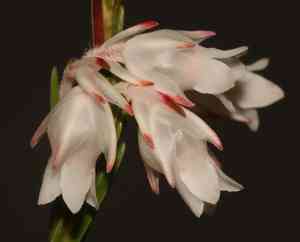
White to pink
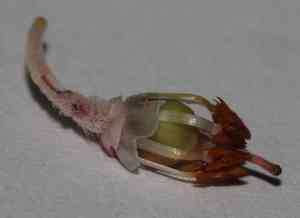
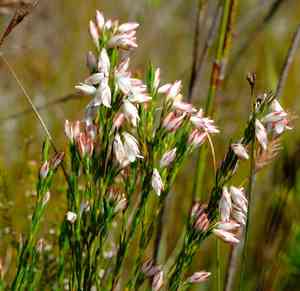
Images of Erica dianthifolia
Quickly Identify Erica dianthifolia
1
Look for small, tubular flowers that are white to pink, with leaves that are needle-like and arranged in whorls. The plant often grows in a bushy, compact form.
Scientific Classification of Erica dianthifolia
Phylum
Vascular plants
Class
Dicotyledons
Order
Ericales
Family
Heath
Genus
Heaths
Species
Erica dianthifolia
Planting and Growing of Erica dianthifolia
Care Difficulty
Moderate
Watering Schedule
Every 3 days
Sunlight Requirements
Full sun
Sunshine Duration
6-10 hours
Ideal Temperature
60-75℉
Soil Type
Potting Mix, Peat Mix
Soil pH
5.5-6.5
Fertilizer Type
Balanced
Pruning Season
Spring, Summer
Pruning Area
Branches, Leaves
Pruning Frequency
2 times a year
Repotting Season
Spring
Pot Type
Plastic, Terracotta
 How to Water Erica dianthifolia?
For Erica dianthifolia, a precise watering amount is crucial. Aim to provide approximately 250 ml of water each time. It's essential to ensure the water reaches the root zone but avoid waterlogging the soil. Achieving just the right moisture balance is key, and this often means allowing the top layer to dry out slightly between waterings.
What are the symptoms of an underwatered Erica dianthifolia?
›
What should I do if my Erica dianthifolia is not getting enough water?
›
What are the symptoms of an overwatered Erica dianthifolia?
›
How to save an overwatered Erica dianthifolia?
›
 What Are the Sunlight Requirements for Erica dianthifolia?
Erica dianthifolia benefits from an ideal light range of full sun to partial sun, reaping significant benefits from at least 6 to 8 hours of sunlight daily. This exposure ensures high energy levels for optimal growth and prolific blooming.
What is the best type of lighting for Erica dianthifolia?
›
How can I ensure my Erica dianthifolia gets ideal lighting?
›
What are the benefits of providing ideal lighting for Erica dianthifolia?
›
 What Is the Ideal Temperature Range for Erica dianthifolia?
Erica dianthifolia thrives best within the ideal temperature range of 60-75°F as this mimics its natural habitat conditions. These temperatures promote optimal growth and flowering.
 What Soil is Best for Erica dianthifolia?
Erica dianthifolia thrives best in well-drained soil that prevents waterlogging. This quality ensures the roots receive ample oxygen, reducing the risk of root rot and promoting strong, healthy growth. This plant prefers slightly acidic soil, typically within a pH range of 5.5 to 6.5. An acidic environment supports optimal nutrient uptake and enhances overall plant vigor. The plant requires soil with moderate fertility, avoiding excessive nutrients which may harm its growth. Balanced soil fertility supports steady plant development without overloading it with nutrients.
 How to Fertilize Erica dianthifolia?
Erica dianthifolia prefers a light hand when it comes to fertilization. Use a diluted liquid fertilizer every month during the growing season. The concentration should be kept around half the normal strength to prevent nutrient burn. Solid fertilizers should be applied only twice a year using a slow-release formula that provides steady nutrition over time.
 How to Prune Erica dianthifolia?
Begin by examining your Erica dianthifolia for any dead or damaged branches. These sections may appear dry, brown, and brittle. Use sterilized pruning shears to remove such branches at their base to prevent disease spread. To maintain an aesthetically pleasing shape, lightly trim the outer shoots. This encourages bushier growth and allows more sunlight and air circulation within the plant, promoting its overall health and abundance of blooms.
More About Pruning Techniques→
 How to Propagate Erica dianthifolia plant?
1
Choose a well-draining medium to plant the Erica dianthifolia seeds. Ensure the medium is sterile to prevent fungal infections that could affect seed growth.
2
Select a healthy branch for cuttings in the late spring. Use sharp shears to make a clean cut, ensuring the cutting is around 10-15 cm in length with a few leaves at the top.
3
Dip the cut end of the cutting into rooting hormone to encourage root growth. Place it in a pot with a moist, well-draining mix, and cover it with a plastic bag to maintain humidity.
 How to Repot Erica dianthifolia plant?
1
Erica dianthifolia needs repotting when its roots begin to outgrow the current pot or when growth appears stunted. Another indication is water draining too fast, showing the roots are taking over. Perfect timing for repotting is during early spring or autumn as it minimizes stress on the plant and encourages healthy development.
2
Select a pot that is slightly larger than the current one, ideally 1-2 inches in diameter more, to offer just enough space for growth without overwhelming the plant. Ensure it has good drainage holes to prevent waterlogging, which can lead to root rot — a key factor in maintaining Erica dianthifolia's health.
3
Select a soil mix that is both acidic and drains well to replicate Erica dianthifolia's natural habitat. Incorporate materials like peat moss, pine bark, and coarse sand to achieve the right texture. This promotes robust root growth while ensuring the soil doesn't retain excess moisture.
Learn More About Erica dianthifolia Diseases
Anthracnose
Bacterial Leaf Spot
Bacterial Soft Rot
Black Spot
Chemical Injury
Crown Gall
Cyst Nematode
Damping-off
Downy Mildew
Drought Stress
Fusarium Wilt
Gray Mold
Leaf Curl
Leaf Spot
Mosaic
Nutrient Deficiency
Nutrient Toxicity
Powdery Mildew
Root Rot
Root-knot Nematode
Rusts
Sooty Mold
Spider Mites
Temperature Stress
Thrips Damage
White Mold



