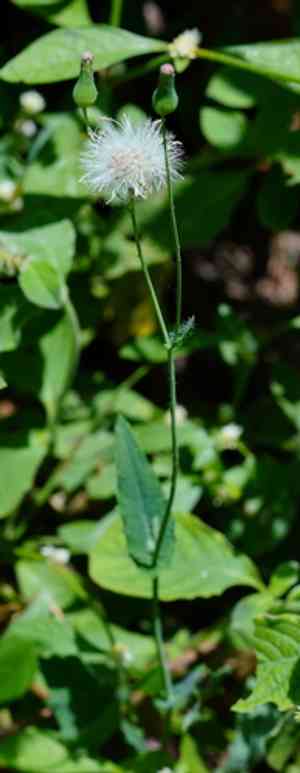
Ladys paintbrush (Emilia javanica)
Also known as: Tasselflower
Emilia sonchifolia, commonly known as lady's paintbrush, is a tropical herb that flourishes in sunny, open areas such as grasslands and roadsides. It features slender stems with small, lance-shaped leaves and vivid reddish-orange flowers that bloom on elongated spikes. The plant is well-suited to well-drained soils and is adept at colonizing disturbed areas, thanks to its prolific seed production.
In This Article
Attributes of Ladys paintbrush
Lifespan
Annual
Plant Type
Herb
Plant Height
50 cm
Spread
30 cm
Leaf Color
Green
Flower Size
1-2 cm
Flower Color
Yellow Red Orange Gold
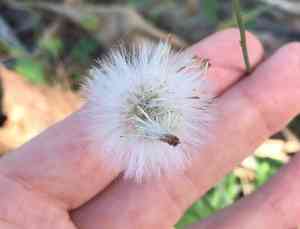
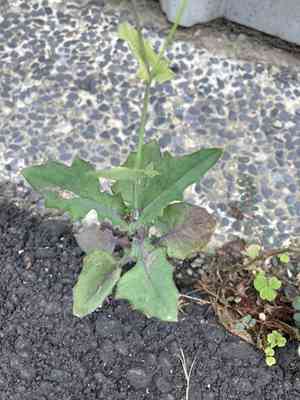
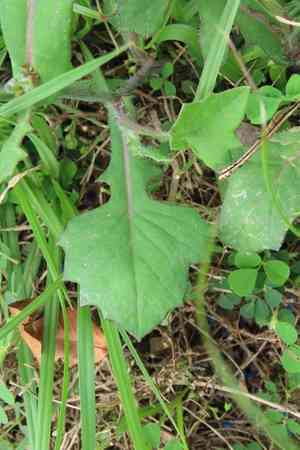
Images of Ladys paintbrush
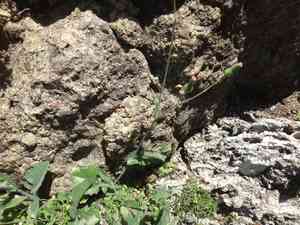
Quickly Identify Ladys paintbrush
1
Emilia javanica can be identified by its bright, colorful flowers which resemble small tassels. The leaves are typically lance-shaped and the stems are slender and erect. The plant tends to grow in clusters and prefers sunny locations with well-drained soil.
Scientific Classification of Ladys paintbrush
Phylum
Vascular plants
Class
Dicotyledons
Order
Asterales
Family
Daisy
Genus
Tasselflowers
Species
Ladys paintbrush
Planting and Growing of Ladys paintbrush
Care Difficulty
Easy
Watering Schedule
Every 8 days
Sunlight Requirements
Full sun
Sunshine Duration
4-6 hours
Ideal Temperature
70-85℉
Soil Type
Potting Mix, Peat Mix
Soil pH
6-7.5
Fertilizer Type
Balanced
Pruning Season
Spring, Summer
Pruning Area
Branches, Leaves
Pruning Frequency
2 times a year
Repotting Season
Spring
Pot Type
Plastic, Ceramic
 How to Water Ladys paintbrush?
Emilia javanica prefers its soil to be kept consistently moist but not soaked. The right watering approach is to provide about 250ml each time, ensuring that the water deeply reaches the root zone. Allow the top inch of soil to dry slightly before re-watering.
What are the symptoms of an underwatered Ladys paintbrush?
›
What should I do if my Ladys paintbrush is not getting enough water?
›
What are the symptoms of an overwatered Ladys paintbrush?
›
How to save an overwatered Ladys paintbrush?
›
 What Are the Sunlight Requirements for Ladys paintbrush?
Emilia javanica ideally requires full sun to partial sun exposure which allows for healthy blooms and foliage. Ample light energizes photosynthesis, fostering vibrant growth and disease resistance.
What lighting does Emilia javanica prefer?
›
How to achieve ideal lighting for Emilia javanica?
›
What benefits does ideal lighting provide to Emilia javanica?
›
 What Is the Ideal Temperature Range for Ladys paintbrush?
The ideal temperature range for growing Emilia javanica is between 70°F and 85°F. This range provides the best conditions for optimal growth and flowering. Maintaining temperatures within this range ensures the plant's metabolic processes function efficiently, resulting in vibrant blooms and healthy foliage.
 What Soil is Best for Ladys paintbrush?
Emilia javanica thrives in nutrient-rich soil, which provides essential minerals and nutrients. This boosts its growth and vibrant flowering. The plant requires well-draining soil to avoid root rot. Proper drainage prevents water from pooling, fostering healthier roots. While well-draining, the soil should retain some moisture. This balance ensures the plant doesn't dry out between waterings.
 How to Fertilize Ladys paintbrush?
For Emilia javanica, it's essential to ensure a balanced amount of nutrients. Apply a liquid fertilizer with half the recommended strength every two weeks. For solid fertilizers, use a slow-release formula sparingly, about three times a year, to offer year-round nourishment without overwhelming the plant.
 How to Prune Ladys paintbrush?
Begin by inspecting your Emilia javanica for any dead or discolored leaves and stems. Use clean scissors or shears to cut these back to the base. Next, trim any excessively long stems to maintain a compact shape, encouraging a bushier appearance. Always make cuts just above a node to promote new growth. Focus on creating an open structure by removing overcrowded stems. This enhances airflow and light penetration, crucial for the plant's health. Regularly revisit your pruning efforts to ensure your Emilia javanica maintains its shape as it grows.
More About Pruning Techniques→
 How to Propagate Ladys paintbrush plant?
1
Collect seeds from mature Emilia javanica flowers once they have dried on the plant. Gently remove the seeds and store them in a dry place until you are ready to plant. Make sure to use only healthy seeds for best results.
2
Select a healthy stem and make a cut just below a node, ensuring the cutting is around 4-6 inches long. Remove the lower leaves, leaving a few at the top. This reduces water loss and focuses energy on root development.
3
Fill a seed tray with a well-draining seed-starting mix. Sow the seeds evenly on the surface, lightly cover them with soil, and water gently. Maintain a warm environment to encourage germination.
 How to Repot Ladys paintbrush plant?
1
Signs that Emilia javanica needs repotting include roots growing out of drainage holes or the plant becoming top-heavy and unstable in its current pot. The optimal season for repotting is during spring or summer when the plant is actively growing.
2
Select a pot that is one size larger than the current one with ample drainage holes. A slightly larger pot promotes healthy growth while preventing waterlogging, which can lead to root rot, allowing Emilia javanica to flourish.
3
Use a well-draining, sandy mix as it mirrors its native habitat, preventing water from lingering around the roots and reducing the risk of root disease, which is crucial for the plant's health.
Learn More About Ladys paintbrush Diseases
Anthracnose
Bacterial Leaf Spot
Bacterial Wilt
Chemical Injury
Damping-off
Downy Mildew
Drought Stress
Fusarium Wilt
Gray Mold
Leaf Curl
Leaf Spot
Mosaic
Nutrient Deficiency
Nutrient Toxicity
Powdery Mildew
Root Rot
Root-knot Nematode
Rusts
Sooty Mold
Spider Mites
Temperature Stress
Thrips Damage
White Mold



