Quack grass(Elymus repens)

Quack grass (Elymus repens)

Also known as: Creeping wheat grass, Dog's grass, Scutch, Quitchgrass

Quack grass (Elymus repens) is considered invasive in the USA for several key reasons:

1. **Rapid Spread**: It proliferates quickly through creeping rhizomes, which enables it to colonize large areas swiftly.
2. **Competition with Native Species**: It aggressively competes with local flora for essential resources like nutrients, water, and sunlight, often outcompeting and displacing them.
3. **Regeneration**: Even small fragments of its rhizomes can regenerate, making it extremely difficult to eradicate completely.
4. **Ecosystem Disruption**: By dominating landscapes, it disrupts local ecosystems and reduces biodiversity.
5. **Versatility**: Its ability to adapt to diverse soil types and environmental conditions further aids its invasive potential.

Attributes of Quack grass

Lifespan
Perennial
Plant Type
Grass
Plant Height
51 cm to 1.02 m
Spread
1 m
Leaf Color
Green
Flower Size
8 mm to 1.5 cm
Flower Color
Green Yellow

ForwardPlant - Identify plants with a snap

Identify and diagnose plants, get toxicity alerts, and explore safety guides for all types of fungi.

Try for Free

Images of Quack grass

Quack grass(Elymus repens)

Quickly Identify Quack grass

1
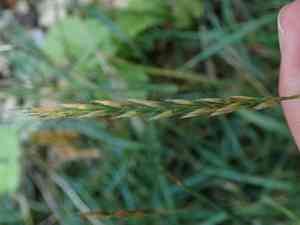
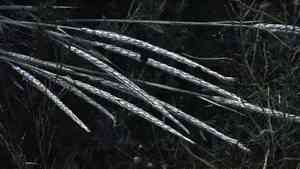
Elymus repens can be identified by its long, tough rhizomes, narrow leaves, and the smooth, shiny surface of its leaf blades. The seed heads are long and slender with small, pointed spikelets.

Scientific Classification of Quack grass

Phylum
Vascular plants
Class
Monocotyledons
Order
Poales
Family
Grass
Genus
Couch grasses
Species
Quack grass

Planting and Growing of Quack grass

Care Difficulty
Hard
Watering Schedule
Every 4 days
Sunlight Requirements
Full sun
Sunshine Duration
6-10 hours
Ideal Temperature
59-77℉
Soil Type
Potting Mix, Peat Mix
Soil pH
6.5-7.5
Fertilizer Type
Balanced
Pruning Season
Spring, Summer
Pruning Area
Branches, Leaves
Pruning Frequency
2 times a year
Repotting Season
Spring
Pot Type
Plastic, Ceramic

water icon How to Water Quack grass?

Elymus repens, commonly known as couch grass, requires moderate watering. Ideally, you should water it with about 250 milliliters until the soil is moist but not soggy. This amount ensures the roots receive adequate hydration without the risk of waterlogging, which can be detrimental.
What are the symptoms of an underwatered Quack grass?
What should I do if my Quack grass is not getting enough water?
What are the symptoms of an overwatered Quack grass?
How to save an overwatered Quack grass?

sunlight icon What Are the Sunlight Requirements for Quack grass?

Sunlight Requirements: Full sun, Partial sun
Duration of light: 6-8 hours sunlight
Elymus repens' ideal light range is full sun, with at least 6 hours daily. Adequate lighting ensures robust growth and chlorophyll production, leading to sturdy stems and healthy, vibrant leaves.
What is the ideal sunlight condition?
How can I achieve ideal lighting for Elymus repens?
What are the benefits of ideal lighting for this plant?
More About Sunlight Requirements Techniques

temperature icon What Is the Ideal Temperature Range for Quack grass?

Ideal Temperature: 59 ~ 77℉
Elymus repens thrives best within an ideal temperature range of 59-77°F. This range supports optimal growth by balancing photosynthesis and respiration. Cultivating in this range ensures vigorous growth and healthy foliage. Temperatures outside this range may inhibit development and lead to stress symptoms.

soil icon What Soil is Best for Quack grass?

Soil type: Loam, Sandy loam, Clay soil
Soil PH: 6.5 ~ 7.5
Elymus repens thrives in soils that offer moderate moisture retention. This is crucial as it ensures the plant receives a steady supply of water without becoming waterlogged, supporting its healthy growth. The plant benefits from nutrient-rich soils, which provide essential elements for its growth. This nutrient availability fosters robust structural development and reduces the likelihood of nutrient deficiency. Well-draining soil is a must for Elymus repens, preventing root rot by allowing excess water to escape. Good drainage helps maintain optimal health and encourages vigorous root system development.

fertilize icon How to Fertilize Quack grass?

Fertilizer type: Balanced
For Elymus repens, the amount of fertilizer should be moderate. Over-fertilization can lead to excessive growth, making it weak and susceptible to diseases. Generally, use a balanced fertilizer with an N-P-K ratio of 10-10-10, applying no more than 1 pound per 100 square feet in a season.

prune icon How to Prune Quack grass?

Pruning Time: Spring, Summer
First, identify the new and unwanted shoots of Elymus repens. Use a sharp pair of scissors or garden shears to cut them at the base. This will help manage its spread by cutting away parts of the plant that may go unchecked. Remove any dead or diseased shoots to allow healthy parts to flourish. Regular removal helps prevent the spread of disease and maintains the plant's aesthetic appeal. When controlling height, trim Elymus repens to the desired level. This encourages bushier growth and helps maintain the overall structure of your garden layout. More About Pruning Techniques

propagate icon How to Propagate Quack grass plant?

Propagate Time: Spring, Early spring
1
Collect seeds from mature Elymus repens plants during late summer to autumn when the seed heads are dry. Ensure seeds are fully matured and dry them in a warm place to prevent mold or fungal growth.
2
In early spring, dig up the entire plant using a trowel. Carefully separate the rhizomes into sections, ensuring each section has a good number of shoots and roots.
3
Select healthy roots in early spring. Trim 2-3 inch sections and plant them horizontally in prepared soil, covering lightly and maintaining consistent moisture until shoots appear.

repot icon How to Repot Quack grass plant?

Repotting frequency: Annually
1
Elymus repens shows signs for repotting when its roots start emerging from the drainage holes or it appears root-bound, with slowed growth and reduced vigor. Repotting is best done in spring or autumn to minimize stress on the plant and promote robust recovery.
2
Select a pot that is one to two inches larger in diameter than the current one, with ample drainage holes. This size ensures that the roots have space to grow without being overly spacious, which can help in preventing root rot and promoting healthy growth.
3
Opt for well-draining loamy soil to support Elymus repens. Such soil allows excess water to escape, preventing waterlogging while retaining enough moisture for roots to remain hydrated. This balance is pivotal for maintaining the health and vibrancy of the plant.

ForwardPlant - Identify plants with a snap

Find the best spots for them to optimize their health, simply using your phone.

Try for Free