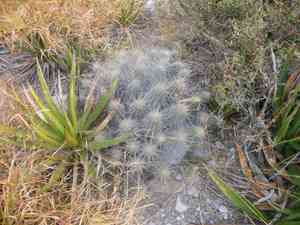
Strawberry hedgehog cactus (Echinocereus stramineus)
Also known as: Strawberry Cactus, Pitaya, Straw-colored Hedgehog Cactus
The Echinocereus triglochidiatus, also known as the claret cup cactus, is native to northern Mexico and the southwestern United States. It forms small clusters of round segments, contributing to its unique appearance. This cactus is hardy in cold conditions but is highly susceptible to damage from overwatering. Its notable spines can reach lengths of up to 8 cm, resembling those of a porcupine.
In This Article
Attributes of Strawberry hedgehog cactus
Lifespan
Perennial
Plant Type
Succulent
Plant Height
30 cm
Spread
90 cm
Leaf Color
Not applicable; this cactus does not have true leaves
Flower Size
Up to 10 cm
Flower Color
Purple Red Pink
Images of Strawberry hedgehog cactus
Quickly Identify Strawberry hedgehog cactus
1
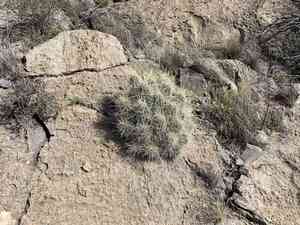
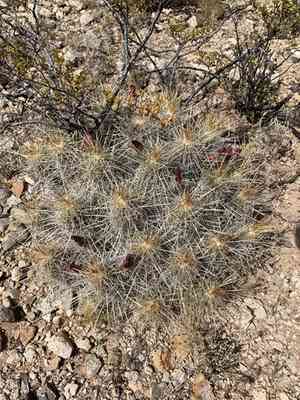
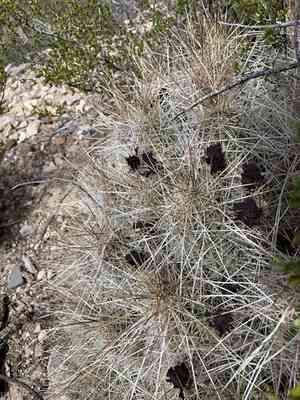
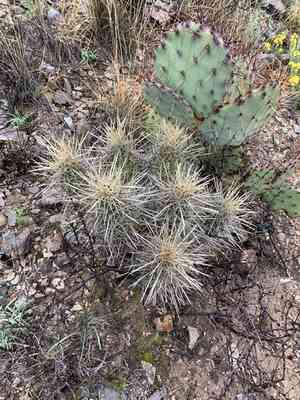
Identify Echinocereus stramineus by its pink to reddish-purple flowers, which are large and showy. The stems are cylindrical and often grow in clusters. It has long, straw-colored spines.
Scientific Classification of Strawberry hedgehog cactus
Phylum
Vascular plants
Class
Dicotyledons
Order
Caryophyllales
Family
Cactuses
Genus
Hedgehog cactus
Species
Strawberry hedgehog cactus
Planting and Growing of Strawberry hedgehog cactus
Care Difficulty
Easy
Watering Schedule
Every 2 days
Sunlight Requirements
Full sun
Sunshine Duration
6-12 hours
Ideal Temperature
70-85℉
Soil Type
Potting Mix, Peat Mix
Soil pH
6.5-7.5
Fertilizer Type
Balanced
Pruning Season
Spring, Summer
Pruning Area
Branches, Leaves
Pruning Frequency
2 times a year
Repotting Season
Spring
Pot Type
Plastic, Terracotta
 How to Water Strawberry hedgehog cactus?
Echinocereus stramineus ideally requires about 150ml of water per session. This amount ensures that the soil is adequately moistened without causing water-logging. When watering, ensure that the topsoil is completely saturated while avoiding excess runoff, indicating sufficient distribution to the roots.
What are the symptoms of an underwatered Strawberry hedgehog cactus?
›
What should I do if my Strawberry hedgehog cactus is not getting enough water?
›
What are the symptoms of an overwatered Strawberry hedgehog cactus?
›
How to save an overwatered Strawberry hedgehog cactus?
›
 What Are the Sunlight Requirements for Strawberry hedgehog cactus?
Echinocereus stramineus thrives in full sun, benefiting from consistent exposure to bright, unfiltered light, which fosters vibrant coloration, compact growth, and increased flower production.
More About Sunlight Requirements Techniques→
Optimal Sunlight Exposure
›
Preventing Etiolation
›
Maintaining Balanced Growth
›
 What Is the Ideal Temperature Range for Strawberry hedgehog cactus?
For optimal growth, Echinocereus stramineus thrives best in temperatures ranging from 70°F to 85°F. This ensures the cactus can photosynthesize effectively and maintain its metabolic activities. Keeping the environment within this temperature range helps the plant sustain healthy growth and flowering. In its native habitat, this species often experiences warm days with cooler nights, so replicating these conditions can be beneficial.
 What Soil is Best for Strawberry hedgehog cactus?
Echinocereus stramineus thrives in well-drained soil, which prevents waterlogging that can lead to root rot. This soil type mimics the natural desert environment and ensures the roots get adequate oxygen. This cactus prefers nutrient-poor substrates, aligning with its native habitat where sparse nutrients prevent over-fertilization, promoting slow and steady growth essential for desert plants. A gravely soil texture supports Echinocereus stramineus by allowing water to pass quickly, reducing the risk of moisture accumulation around the roots, which helps prevent rot and disease.
 How to Fertilize Strawberry hedgehog cactus?
For Echinocereus stramineus, a balanced liquid fertilizer is recommended, using a dilution of one-quarter of the manufacturer's recommended dose. Apply this during the growing season to achieve the best results.
 How to Prune Strawberry hedgehog cactus?
Begin by inspecting your Echinocereus stramineus for any stems that appear shriveled, damaged, or diseased. These are the parts you'll focus on removing. Use a sharp, disinfected pair of pruning shears to ensure clean cuts and prevent the spread of disease. Cut as close to the base as possible without harming the main body of the plant. In addition to removing dead tissues, consider pruning live stems to shape the cactus. Trim overgrown areas that disrupt the natural symmetry of the plant. This helps in maintaining an aesthetically pleasing appearance and ensures all parts receive adequate sunlight.
 How to Propagate Strawberry hedgehog cactus plant?
1
Choose ripe seeds and soak them in water for 24 hours to soften the outer shell. This soaking process helps to improve germination rates and ensures even sprouting.
2
Select healthy stems and use sharp pruning shears to make a clean cut. Allow cuttings to callous over for a few days before planting, which helps prevent rot.
3
Identify mature clumps and divide them into smaller sections. Ensure each section has roots attached, which increases the likelihood of successful propagation.
 How to Repot Strawberry hedgehog cactus plant?
1
Repot Echinocereus stramineus when you notice roots protruding from the drainage holes or the plant becoming root-bound. Additionally, if the growth appears stunted or the soil drains too quickly, it's a signal to consider repotting. Spring and Summer are ideal due to the plant's active growth period, allowing it to recuperate better from the process.
2
Select a pot that is just one size larger than the current one. It's important to have a pot with good drainage holes to prevent waterlogging. A clay or terracotta pot is often preferred, as it allows for evaporation and helps keep the soil dry between waterings.
3
Opt for a well-draining cactus mix that typically includes components like sand, perlite, or pumice. This mixture ensures fast drainage and prevents root rot, which is crucial for succulents like Echinocereus stramineus that are highly susceptible to overwatering.



