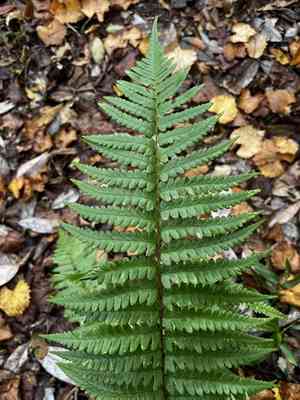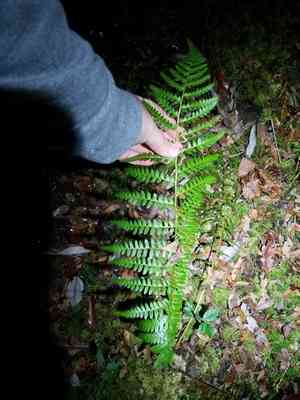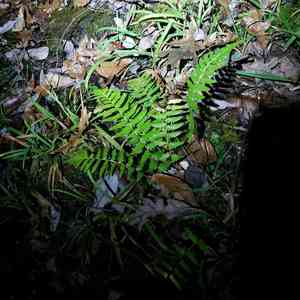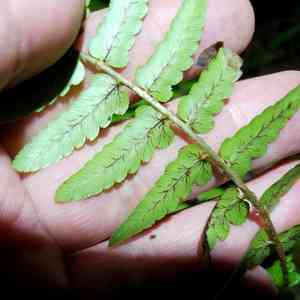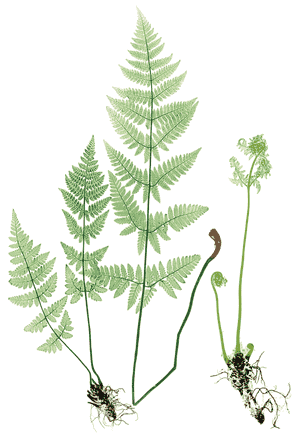
Southern wood fern(Dryopteris ludoviciana)

Southern wood fern (Dryopteris ludoviciana)

Also known as: Louisiana woodfern

D. ludoviciana, also known as Louisiana bluestar, is a perennial plant that thrives in USDA hardiness zones 5–10. It prefers full sun to partial shade and grows best in well-drained soil, although it can adapt to various soil types, including sandy, loamy, and clay. The plant reaches a height of 2-3 feet (approximately 60-90 cm) and has a slow to moderate growth rate. While it can tolerate drought conditions once established, it thrives with regular watering. Louisiana bluestar features narrow, willow-like leaves and light blue, star-shaped flowers that bloom in late spring to early summer. Its foliage turns a striking golden-yellow in the fall, adding seasonal interest to gardens.

Attributes of Southern wood fern

Lifespan
Perennial
Plant Type
Herb
Plant Height
91 cm to 1.2 m
Spread
60 cm to 90 cm
Leaf Color
Green
Flower Size
Not applicable for ferns
Flower Color
Not applicable for ferns

ForwardPlant - Identify plants with a snap

Identify and diagnose plants, get toxicity alerts, and explore safety guides for all types of fungi.

Try for Free

Images of Southern wood fern

Southern wood fern(Dryopteris ludoviciana)

Quickly Identify Southern wood fern

1
Vase-shaped clump of shiny, leathery green fronds
2
Robust, erect stems with brown scales on lower portion
3
Dark green, triangular leaves with prominent veins
4
Symmetrical growth pattern with opposite leaflets on stem
5
Evergreen foliage that remains vibrant in milder climates

Scientific Classification of Southern wood fern

Phylum
Vascular plants
Class
Ferns
Order
Polypodiales
Family
Wood fern
Genus
Wood ferns
Species
Southern wood fern

Planting and Growing of Southern wood fern

Care Difficulty
Easy
Watering Schedule
Every 4 days
Sunlight Requirements
Partial sun
Sunshine Duration
6-10 hours
Ideal Temperature
60-75℉
Soil Type
Potting Mix, Peat Mix
Soil pH
5.5-7
Fertilizer Type
Balanced
Pruning Season
Spring, Summer
Pruning Area
Branches, Leaves
Pruning Frequency
2 times a year
Repotting Season
Spring
Pot Type
Plastic, Ceramic

water icon How to Water Southern wood fern?

For Dryopteris ludoviciana, it's important to ensure the soil stays consistently moist but not waterlogged. Aim to water the plant with about 250 milliliters of water until you notice some drainage from the bottom, indicating the roots are sufficiently hydrated.
What are the symptoms of an underwatered Southern wood fern?
What should I do if my Southern wood fern is not getting enough water?
What are the symptoms of an overwatered Southern wood fern?
How to save an overwatered Southern wood fern?

sunlight icon What Are the Sunlight Requirements for Southern wood fern?

Sunlight Requirements: Partial sun, Full shade
Duration of light: 2 to 4 hours daily
Partial sun or full shade suits Dryopteris ludoviciana. This range promotes vibrant green growth and helps maintain a healthy, lush appearance by meeting its energy needs without causing stress.
Why partial shade?
Solutions for ideal lighting
Benefits of optimal light
More About Sunlight Requirements Techniques

temperature icon What Is the Ideal Temperature Range for Southern wood fern?

Ideal Temperature: 60 ~ 75℉
The ideal temperature range for Dryopteris ludoviciana, also known as the Southern Shield Fern, is between 60°F and 75°F. In this range, the plant grows robustly, maintaining healthy and vibrant fronds. These temperatures mimic the fern's natural habitat of warm and humid climates, providing optimal conditions for photosynthesis and nutrient uptake.

soil icon What Soil is Best for Southern wood fern?

Soil type: Loam, Sandy loam, Acidic soil
Soil PH: 5.5 ~ 7
Dryopteris ludoviciana thrives in nutrient-rich soils that provide essential minerals for growth. These nutrients enhance the plant's development and green foliage, ensuring it maintains a healthy appearance. The soil must possess good moisture retention to support Dryopteris ludoviciana, as it prefers consistently damp conditions. This helps the fern maintain hydration, avoiding wilting and promoting lush growth. While the soil should retain moisture, it also needs to be well-draining to prevent root rot. This combination ensures the plant's roots are not waterlogged, promoting overall health and vitality.

fertilize icon How to Fertilize Southern wood fern?

Fertilizer type: Balanced
When applying fertilizer to Dryopteris ludoviciana, it's essential to follow a balanced approach. For liquid fertilizers, use a diluted solution at half the recommended strength to avoid over-fertilizing, which can damage the plant. For solid fertilizers, a light scattering around the base is sufficient, ensuring not to pile it directly against the stem.

prune icon How to Prune Southern wood fern?

Pruning Time: Spring, Summer
Carefully inspect the plant and identify fronds that are brown, tattered, or show signs of disease. Removing these will improve the plant’s appearance and promote healthy growth. When removing fronds, make a clean cut near the base of the plant, ensuring not to damage the surrounding healthy fronds or the root structure of the fern. After pruning, clear away the cuttings and debris around the plant base to prevent pests and diseases, as they can thrive in decaying plant material. More About Pruning Techniques

propagate icon How to Propagate Southern wood fern plant?

Propagate Time: Spring, Late spring
1
The ideal time for dividing Dryopteris ludoviciana is in spring or late spring when the plant is beginning its active growth phase. This timing ensures the plant can recover quickly from the division process.
2
Carefully dig around the base of the plant to expose the root ball. Lift the plant out of the ground, shaking off any excess soil to clearly see the rhizomes and root system for division.
3
Using your hands or a clean knife, gently separate the rhizomes, ensuring each division has at least a few fronds and a healthy root system. Avoid damaging the roots as much as possible.
More About Propagating Techniques

repot icon How to Repot Southern wood fern plant?

Repotting frequency: Every 2-3 years
1
Monitor your Dryopteris ludoviciana for signs it needs repotting, such as roots peeking out of drainage holes or soil that dries out rapidly. These signals indicate the plant is outgrowing its pot and requires more space to continue its lush growth.
2
Select a pot that is one size larger than the current one, ensuring good drainage. A pot with drainage holes prevents waterlogging, protecting roots from rot and allowing the fern to absorb nutrients efficiently.
3
Opt for a rich, well-draining soil mix rich in organic matter. Such soil supports lush foliage by retaining moisture without becoming soggy, providing the plant with essential nutrients for healthy growth.

ForwardPlant - Identify plants with a snap

Find the best spots for them to optimize their health, simply using your phone.

Try for Free