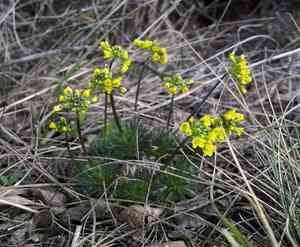
Woolly-fruited whitlow-grass (Draba lasiocarpa)
Also known as: N/A
The Carpathian rock flower, an evergreen perennial herb, typically grows to a height of 8 to 20 centimeters. It features dense rosettes of leathery leaves, each up to 2 centimeters long. Notably, this plant lacks stem leaves.
In This Article
Attributes of Woolly-fruited whitlow-grass
Lifespan
Perennial
Plant Height
5-10 cm
Spread
N/A
Leaf Color
Green
Flower Size
1-2 cm
Flower Color
Yellow
Images of Woolly-fruited whitlow-grass
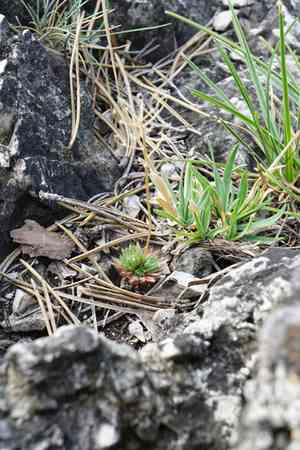
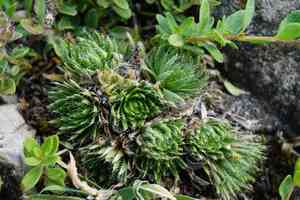
Quickly Identify Woolly-fruited whitlow-grass
1
Draba lasiocarpa can be identified by its dense basal rosette of hairy leaves and its small, bright yellow flowers. The plant typically forms cushion-like clumps.
Scientific Classification of Woolly-fruited whitlow-grass
Phylum
Vascular plants
Class
Dicotyledons
Order
Brassicales
Family
Cruciferae
Genus
whitlow-grasses
Species
Woolly-fruited whitlow-grass
Planting and Growing of Woolly-fruited whitlow-grass
Care Difficulty
Moderate
Watering Schedule
Every 2 days
Sunlight Requirements
Full sun
Sunshine Duration
10-14 hours
Ideal Temperature
60-75℉
Soil Type
Potting Mix, Peat Mix
Soil pH
6.5-7.5
Fertilizer Type
Balanced
Pruning Season
Spring, Summer
Pruning Area
Branches, Leaves
Pruning Frequency
2 times a year
Repotting Season
Spring
Pot Type
Ceramic, Plastic
 How to Water Woolly-fruited whitlow-grass?
For Draba lasiocarpa, ensure the soil is kept moist without becoming waterlogged. This plant thrives in slightly damp conditions, so water until you see moisture escaping from the drainage holes.
What are the symptoms of an underwatered Woolly-fruited whitlow-grass?
›
What should I do if my Woolly-fruited whitlow-grass is not getting enough water?
›
What are the symptoms of an overwatered Woolly-fruited whitlow-grass?
›
How to save an overwatered Woolly-fruited whitlow-grass?
›
 What Are the Sunlight Requirements for Woolly-fruited whitlow-grass?
Draba lasiocarpa thrives in full to partial sun, adapting well to bright, indirect light that's consistent. Maintaining this range ensures vigorous growth, lush foliage, and frequent blooming, which symbolizes its ideal visual and environmental adaptability.
Achieving Optimal Lighting
›
Solution for Ideal Light Exposure
›
Beneficial Effects of Adequate Light
›
 What Is the Ideal Temperature Range for Woolly-fruited whitlow-grass?
This temperature range provides the optimal environment for Draba lasiocarpa to thrive, as it supports active growth without stressing the plant. The moderate temperatures ensure that the plant can photosynthesize effectively and maintain proper metabolic functions.
 What Soil is Best for Woolly-fruited whitlow-grass?
Draba lasiocarpa thrives in well-draining soils that prevent waterlogging and root rot. A soil mix containing a significant proportion of sand ensures excellent drainage and aeration, essential for the healthy growth of this plant. A nutrient-rich soil supports the vigorous growth of Draba lasiocarpa. Incorporating organic matter or compost into the soil improves nutrient availability, enhancing plant vitality and resistance to diseases. Though it prefers well-draining soils, Draba lasiocarpa also benefits from soils with moderate moisture retention. This balance ensures that while excess water escapes, some moisture is retained for steady growth.
 How to Fertilize Woolly-fruited whitlow-grass?
For Draba lasiocarpa, it's ideal to use a balanced fertilizer diluted to half the recommended strength on the package. This plant doesn't require heavy feeding due to its low nutrient needs, typical for many alpine species.
 How to Prune Woolly-fruited whitlow-grass?
Start by using a pair of clean, sharp scissors or pruning shears. Identify any dead or damaged leaves and stems to trim off. Maintain a consistent shape by cutting the tips of overgrown branches. Ensure you are cutting just above a leaf node or bud. Regular pruning of the Draba lasiocarpa will help control its size and promote a compact form. To encourage new growth, make sure to prune after the flowering period. This allows the plant to put energy into developing new, vigorous shoots. Aim to remove about one-third of the oldest, woodiest stems to direct growth into younger, more productive shoots.
More About Pruning Techniques→
 How to Propagate Woolly-fruited whitlow-grass plant?
1
Collect seeds from mature Draba lasiocarpa plants after flowering. Gather seeds when the pods are dry and easy to open. Ensure seeds are viable by floating them in water; viable seeds will sink.
2
Prepare well-draining soil by mixing equal parts of sand, peat moss, and garden soil. This mixture provides adequate aeration and moisture retention, essential for seed germination and root development.
3
Sow seeds thinly in seedling trays, covering them lightly with a thin layer of soil. Keep the trays in a warm, bright location, maintaining consistent moisture to encourage germination within a few weeks.
 How to Repot Woolly-fruited whitlow-grass plant?
1
Repot Draba lasiocarpa when you notice its roots emerging from the drainage holes or if the soil dries out too quickly after watering, indicating the plant has outgrown its current pot.
2
Choose a pot that is 1-2 inches larger in diameter than the current one, ensuring it has sufficient drainage holes. This allows for root expansion and prevents waterlogging, which is crucial for a plant that prefers well-draining conditions.
3
Opt for a well-draining sandy loam mix, which replicates the natural environment of Draba lasiocarpa. This type of soil will help prevent root rot by allowing excess water to drain quickly.



