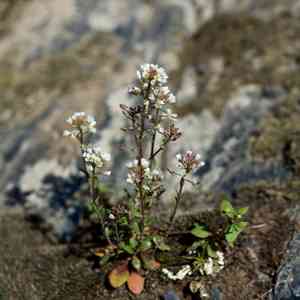
Shortpod draba (Draba brachycarpa)
Also known as: Shortpod draba, Stiffpod draba
Shortpod draba is a resilient perennial well-suited for rocky alpine terrains. It forms a low rosette of oblong leaves and produces small clusters of white flowers on short stems. Adapted to endure harsh, windy conditions, its notably short seedpods aid in survival and seed dispersal in tough environments.
In This Article
Attributes of Shortpod draba
Lifespan
Annual
Plant Type
Herb
Plant Height
5-20 cm
Spread
1-3 cm
Leaf Color
Green
Flower Size
2-5 mm
Flower Color
White to pale yellow
Images of Shortpod draba
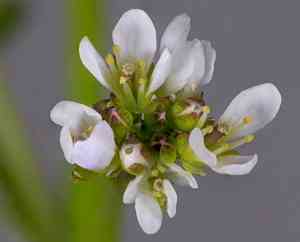
Quickly Identify Shortpod draba
1
Draba brachycarpa can be identified by its small size, rosette-forming leaves, and compact clusters of tiny white to pale yellow flowers. The plant\'s seed pods are relatively short and stiff, which is characteristic of this species.
Scientific Classification of Shortpod draba
Phylum
Vascular plants
Class
Dicotyledons
Order
Brassicales
Family
Cruciferae
Genus
whitlow-grasses
Species
Shortpod draba
Planting and Growing of Shortpod draba
Care Difficulty
Moderate
Watering Schedule
Every 2 days
Sunlight Requirements
Full sun
Sunshine Duration
4-6 hours
Ideal Temperature
60-70℉
Soil Type
Potting Mix, Peat Mix
Soil pH
6-8
Fertilizer Type
Balanced
Pruning Season
Spring, Summer
Pruning Area
Branches, Leaves
Pruning Frequency
2 times a year
Repotting Season
Spring
Pot Type
Plastic, Ceramic
 How to Water Shortpod draba?
Draba brachycarpa prefers modest watering. Aim to moisten the soil without making it soggy. Approximately 150 milliliters of water should be enough to dampen the top few inches of soil, allowing the plant's roots to absorb the necessary moisture without excess water remaining.
What are the symptoms of an underwatered Shortpod draba?
›
What should I do if my Shortpod draba is not getting enough water?
›
What are the symptoms of an overwatered Shortpod draba?
›
How to save an overwatered Shortpod draba?
›
 What Are the Sunlight Requirements for Shortpod draba?
Ideal light for Draba brachycarpa is full to partial sun. This effects optimal energy conversion, encouraging thriving growth and a burst of flowers, enhancing its decorative appeal significantly.
What is the best lighting for Draba brachycarpa?
›
How to ensure Draba brachycarpa gets ideal light exposure?
›
What are the benefits of providing proper lighting?
›
 What Is the Ideal Temperature Range for Shortpod draba?
For Draba brachycarpa, the ideal temperature range hovers between 60°F and 70°F. This range ensures optimal growth and development, as it aligns with the plant's natural habitat conditions.
 What Soil is Best for Shortpod draba?
Draba brachycarpa thrives in well-draining soil that prevents waterlogging, crucial for avoiding root rot and ensuring healthy plant growth. The friable nature allows roots to spread easily, enhancing nutrient uptake and robustness. While not overly demanding, moderate soil fertility ensures the plant receives ample nutrients without excessive competition or deficiency, supporting its compact yet lush growth habit. An aerated soil structure is vital for Draba brachycarpa, ensuring sufficient oxygen reaches the roots. This aids in metabolic functions and is particularly beneficial during active growing periods, promoting vigorous development.
 How to Fertilize Shortpod draba?
Draba brachycarpa requires a balanced fertilization approach to maintain its health and encourage growth. When using liquid fertilizer, it is recommended to dilute the solution to half the strength directed on the label. Apply approximately 1 tablespoon of liquid fertilizer per gallon of water every two weeks during the growing season. For slow-release fertilizers, use around a handful of granules evenly spread around the base of the plant in early spring, and two more times throughout the growing season as required.
 How to Prune Shortpod draba?
Start by removing any dried or dead leaves to redirect the plant's energy towards healthier parts. This step helps in maintaining an aesthetic appeal and promotes better air circulation around the plant's base. Prune to maintain a compact and attractive shape, keeping in mind the natural form of Draba brachycarpa. Aim to trim any excessively long stems that could affect the visual balance, without chopping away more than a third of the plant at a time.
More About Pruning Techniques→
 How to Propagate Shortpod draba plant?
1
Collect seeds from mature Draba brachycarpa plants after flowering. Dry the seeds in a cool, airy place to prevent mold. Store them in a sealed container until you're ready to plant in early spring.
2
Fill a seed tray with a well-draining soil mix. Sow the seeds on the surface and lightly cover them with soil. Water gently using a spray bottle to avoid displacing the seeds. Place the tray in a warm, bright location.
3
For division propagation, carefully dig up the plant with a garden fork while ensuring minimal root disturbance. Use a sharp knife to divide the root ball into sections, ensuring each has healthy roots and shoots. Replant the divisions promptly.
 How to Repot Shortpod draba plant?
1
Observe the plant for signs such as roots sticking out of the drainage holes or slowing growth. These indicate the need for repotting. Ideally, do this in Spring or Autumn when the plant is most robust, ensuring it can handle the stress.
2
Choose a pot slightly larger than the current one, with ample drainage holes. This aids in preventing water accumulation, which can cause root rot. A size increase of 1-2 inches in diameter is usually sufficient, ensuring enough space for root expansion.
3
Opt for a well-draining sandy soil mix which replicates Draba brachycarpa's natural habitat. This type of soil prevents water-logging and provides the necessary aeration for roots, supporting healthy plant growth.



