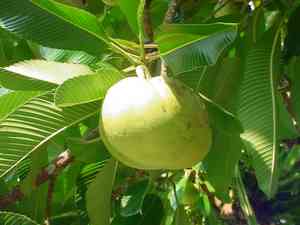
Elephant apple (Dillenia indica)
Also known as: Dillenia
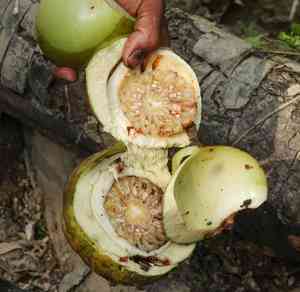
The fruit of the elephant apple tree gets its name because it is a preferred food for elephants, who help in its propagation. With the decline in elephant numbers, the fruit has adapted to soften on the ground, making it accessible to smaller animals. Additionally, the tree's robust wood is often utilized in constructing telegraph poles and houses.
In This Article
Attributes of Elephant apple
Lifespan
Perennial
Plant Type
Tree
Plant Height
8 m to 15 m
Spread
1 m
Leaf Color
Green
Flower Size
15 cm to 30 cm
Flower Color
White Yellow Green
Images of Elephant apple
Quickly Identify Elephant apple
1
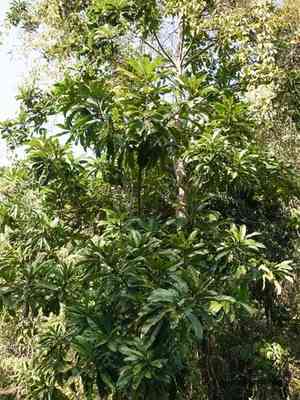
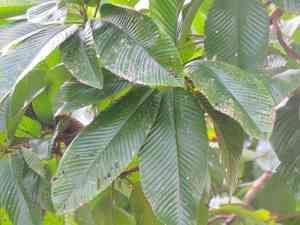
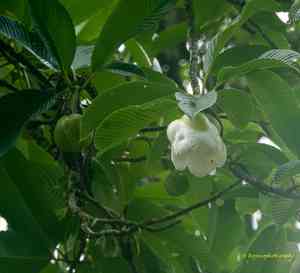
The plant can be identified by its large, glossy, and leathery leaves, which are elliptic to oblong in shape. The flowers are white, fragrant, and possess numerous stamens. Its fruits are large, greenish-yellow, and have a distinct, segmented appearance.
Scientific Classification of Elephant apple
Phylum
Vascular plants
Class
Dicotyledons
Order
Dilleniales
Family
Dillenia
Genus
Dillenia
Species
Elephant apple
Planting and Growing of Elephant apple
Care Difficulty
Easy
Watering Schedule
Every 2 days
Sunlight Requirements
Full sun
Sunshine Duration
6-10 hours
Ideal Temperature
75-86℉
Soil Type
Potting Mix, Peat Mix
Soil pH
5.5-6.5
Fertilizer Type
Balanced
Pruning Season
Spring, Summer
Pruning Area
Branches, Leaves
Pruning Frequency
2 times a year
Repotting Season
Spring
Pot Type
Terracotta, Plastic
 How to Water Elephant apple?
Dillenia indica, commonly known as elephant apple, requires a thoughtful approach to watering. It's best to water until the soil feels moist but not soggy, avoiding standing water to prevent root rot. The general rule is to use about 500 ml per session, especially if the soil drains well. Always ensure consistent moisture without making the soil waterlogged.
What are the symptoms of an underwatered Elephant apple?
›
What should I do if my Elephant apple is not getting enough water?
›
What are the symptoms of an overwatered Elephant apple?
›
How to save an overwatered Elephant apple?
›
 What Are the Sunlight Requirements for Elephant apple?
Dillenia indica flourishes best in conditions of full sun to partial sunlight. Ideally, the plant should bask in at least 6-8 hours of sun daily for optimum growth. Adequate sunlight encourages vibrant flowering and healthy, lush foliage.
More About Sunlight Requirements Techniques→
How much sunlight does Dillenia indica need?
›
How to provide optimal lighting for Dillenia indica?
›
What are the benefits of ideal light conditions for Dillenia indica?
›
 What Is the Ideal Temperature Range for Elephant apple?
The ideal temperature range for Dillenia indica is between 75°F and 86°F. This tropical plant thrives well in warm and humid environments, which are conditions closely mimicking its natural habitat. Maintaining consistent temperatures within this range ensures optimal growth and development.
 What Soil is Best for Elephant apple?
Dillenia indica thrives in nutrient-rich soils that provide essential minerals for its growth. Rich soil ensures the plant has access to the nutrients necessary for healthy foliage and fruit production. Good drainage is crucial to prevent waterlogging, which can lead to root rot. Well-drained soil ensures the roots receive adequate oxygen, promoting strong and healthy growth. The plant benefits from soil that retains moisture without becoming waterlogged. This helps in maintaining a steady supply of water to the plant, especially during dry periods, supporting overall plant vitality.
 How to Fertilize Elephant apple?
When fertilizing Dillenia indica, it's important to apply balanced nutrients. Typically, for a medium-sized tree, mix about 50 grams of balanced 10-10-10 NPK fertilizer per square meter of soil area. Adjust according to soil type and general tree health, ensuring not to over-fertilize, as this can lead to nutrient burn.
 How to Prune Elephant apple?
While pruning is beneficial, over-pruning can harm the Dillenia indica by removing too much foliage and reducing its ability to photosynthesize. Cut back only what is necessary and avoid removing more than one-third of the plant at a time. Dillenia indica tends to ooze sap when cut. Be gentle and avoid cutting during times when there’s heavy sap flow. Pruning during cooler times of the day can minimize sap flow and help the plant recover faster.
More About Pruning Techniques→
 How to Propagate Elephant apple plant?
1
Choose healthy and disease-free stems or seeds from the parent Dillenia indica plant. This ensures a higher success rate and helps avoid the spread of disease to new plants.
2
Use a well-draining mix such as a combination of perlite and peat moss for cuttings. For seeds, use a seed starter mix. This encourages root growth by providing the necessary nutrients and drainage.
3
For seeds, sprinkle them evenly on the soil surface and cover lightly. For cuttings, dip the cut end in rooting hormone and plant in the prepared medium. Water gently and place in a well-lit, warm area.
 How to Repot Elephant apple plant?
1
Monitor your Dillenia indica for signs of crowded roots or decreased growth. These are clear indicators it's time to repot, often occurring every 2-3 years. Spring and summer are ideal due to active growth phases, enhancing root recovery and adjustment to new soil.
2
Choose a pot that's 2 inches larger in diameter than the current one. Ensure it has drainage holes to prevent root rot, and opt for a sturdy material like ceramic or heavy plastic to sustain the plant's future growth and weight.
3
Select a rich, well-drained loam that maintains moisture while allowing excess to escape. This balance is essential for promoting healthy root development and preventing water-related diseases, ensuring your plant thrives in its new environment.
Toxicity
None
WARNING
The judgment on toxicity and danger is for reference only. We DO NOT GUARANTEE any accuracy of such judgment. Therefore, you SHALL NOT rely on such judgment. It is IMPORTANT TO SEEK PROFESSIONAL ADVICE in advance when necessary.



