How to Propagate Elephant apple?
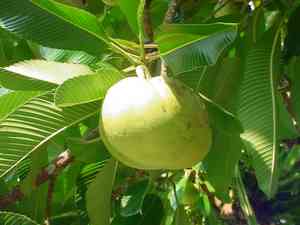
Dillenia indica can be successfully multiplied through the use of stem segments. To achieve the best outcome, choose robust, developed stems and divide them into portions. Every portion ought to possess a minimum of one or two foliar nodes. Insert these segments into a potting blend that drains efficiently, making sure the foliar nodes are positioned just beneath the top layer. Sustain steady hydration and offer diffused illumination until the segments develop roots and exhibit fresh development.
What Is the Best Time To Propagate Elephant Apple?
Propagation Type
Cutting
Propagation Season
Autumn,Winter
What Tools Are Used in Elephant Apple Propagation?
Sharp Pruning Shears
These are vital for obtaining clean, precise cuttings from elephant apple. Sharp blades minimize harm to both the parent plant and the cutting, which is essential for their health and rapid recovery. A clean cut enhances the likelihood of successful rooting by preventing crushing and reducing infection risk.
Rooting Hormone
This substance is applied to the cutting's base to encourage root development and boost the chances of successful propagation. For elephant apple, which may have a tougher stem, rooting hormone can significantly improve rooting success, especially in a controlled setting.
Sterile Potting Mix
A suitable medium is necessary to offer support and nutrients to new elephant apple cuttings. A sterile mix prevents pathogens and pests that could harm vulnerable new cuttings. It should drain well yet retain enough moisture to support root growth without causing rot.
Humidity Domes or Enclosures
These tools help maintain high humidity around elephant apple cuttings, which is crucial for preventing them from drying out before rooting. Humidity domes also ensure a stable environment, promoting effective root development.
Heat Mats
Especially for elephant apple cuttings, temperature regulation can be vital to accelerate and improve root development. Heat mats provide gentle warmth, which can stimulate root growth and enhance overall propagation success, particularly in cooler environments.
How to Propagate Elephant Apple?
Propagation Type
Moderately Difficult
How to Care for Your Newly Propagated Elephant Apple?
How to Care for Your Newly Propagated Elephant Apple?
Once roots are established, slowly introduce the elephant apple to its new surroundings. Initially, keep the plant in a shaded spot and gradually expose it to more sunlight. Ensure the soil stays consistently moist and apply a balanced fertilizer every 4-6 weeks to support growth. Protect elephant apple from harsh weather by placing it in an appropriate location, considering its tropical nature. Regular trimming helps maintain its form and encourages healthy development.
Common Mistakes to Avoid When Propagating Elephant Apple
Inadequate root space during seedling propagation
When propagating elephant apple from seeds, a common error is using containers that are too small, which hinders the development of a strong root system. This can lead to stunted growth or a weak plant less likely to thrive when transplanted.
Overwatering young plants
Excessive water can cause root rot in elephant apple. Seedlings and young elephant apple plants are particularly susceptible to waterlogged conditions, which can lead to fungal infections and root damage, impeding healthy growth.
Neglecting acclimatization
Failing to acclimatize young elephant apple seedlings before transplanting them outdoors can result in transplantation shock. This causes stunted growth or death as the plant struggles to adapt quickly to the new external conditions.
Tips For Propagating Elephant Apple
Provide ample root space
When starting elephant apple from seeds, use a sufficiently large pot or a seeding tray with deep cells. This allows for the development of a robust root system, which is crucial for successful growth and transplantation.
Monitor water levels carefully
Water elephant apple seedlings moderately to maintain slightly moist soil conditions. Avoid water stagnation to prevent root rot, and ensure that the potting mixture is well-draining.
Gradual acclimatization
Acclimatize elephant apple seedlings to outdoor conditions gradually. Start by exposing them to outside environments for a few hours each day, gradually increasing their outdoor time over a week or two to reduce stress and improve adaptability.



