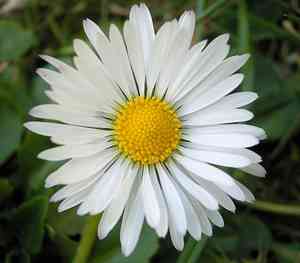
Mount laguna aster (Dieteria asteroides)
Also known as: Mistletoe Daisy
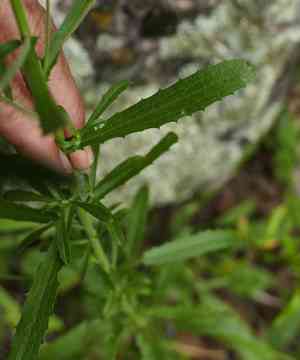
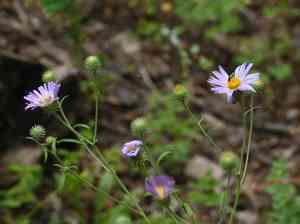
The Mount Laguna Aster is a hardy perennial herb characterized by its feathery, narrow leaves, thriving in the dry environments of the American Southwest. This plant features striking purple blooms with yellow centers that appear from late summer to fall, drawing in various pollinators. Noteworthy for its adaptability to sandy, nutrient-poor soils, the Mount Laguna Aster plays a crucial role in sustaining local wildlife.
In This Article
Attributes of Mount laguna aster
Lifespan
Perennial
Plant Type
Herb
Plant Height
30-90 cm
Spread
Varies, but generally bushy and spreading
Leaf Color
Green
Flower Size
1-2 cm
Flower Color
Purple, Lavender, Yellow (center)
Images of Mount laguna aster
Quickly Identify Mount laguna aster
1
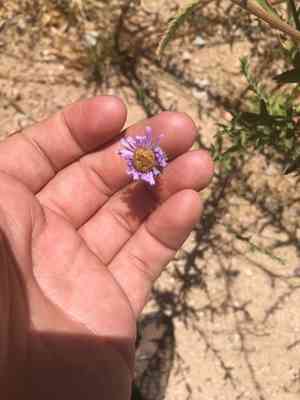
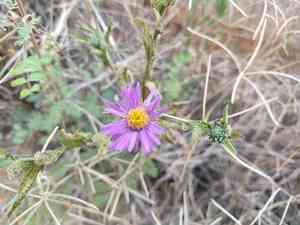
Dieteria asteroides can be identified by its daisy-like flower heads with purple to lavender ray florets and yellow disc florets. The plant has a bushy structure, alternate leaves with toothed margins, and often reaches heights of 30-90 cm.
Scientific Classification of Mount laguna aster
Phylum
Vascular plants
Class
Dicotyledons
Order
Asterales
Family
Daisy
Genus
Dieteria
Species
Mount laguna aster
Planting and Growing of Mount laguna aster
Care Difficulty
Moderate
Watering Schedule
Every 2 days
Sunlight Requirements
Full sun
Sunshine Duration
4-8 hours
Ideal Temperature
60-75℉
Soil Type
Potting Mix, Peat Mix
Soil pH
6.5-7.5
Fertilizer Type
Balanced
Pruning Season
Spring, Summer
Pruning Area
Branches, Leaves
Pruning Frequency
2 times a year
Repotting Season
Spring
Pot Type
Plastic, Terracotta
 How to Water Mount laguna aster?
The watering volume for Dieteria asteroides should be sufficient to moisten the top 6 inches of soil without creating standing water. This plant thrives in well-aerated soil, so it's important to allow the soil to dry slightly between waterings to prevent root rot.
What are the symptoms of an underwatered Mount laguna aster?
›
What should I do if my Mount laguna aster is not getting enough water?
›
What are the symptoms of an overwatered Mount laguna aster?
›
How to save an overwatered Mount laguna aster?
›
 What Are the Sunlight Requirements for Mount laguna aster?
For Dieteria asteroides, a full-sun environment ensures it receives the intensity and duration of light crucial for vigorous growth and prolific blooming, translating to a full 6 to 8 hours of bright sunlight per day.
What is the optimal lighting environment for Dieteria asteroides?
›
How can I ensure my plant receives the optimal light?
›
What benefits does ideal lighting bring to Dieteria asteroides?
›
 What Is the Ideal Temperature Range for Mount laguna aster?
Dieteria asteroides thrives best in temperatures ranging from 60°F to 75°F. This range ensures the plant receives enough warmth without being exposed to excessive heat, making it ideal for photosynthesis and nutrient absorption.
 What Soil is Best for Mount laguna aster?
Dieteria asteroides thrives in nutrient-rich soil that provides essential minerals. A well-fertilized ground enhances growth, ensuring vibrant foliage and robust blooming, which is crucial for its decorative appeal. This plant demands well-drained soil to prevent root rot. Proper drainage ensures that excess water doesn't stagnate, thus protecting the roots and maintaining plant health over time. A balance in soil moisture is vital. Not too wet, not too dry—this ensures that the plant's roots have consistent access to water, leading to optimal growth without the risk of dehydration or drowning.
 How to Fertilize Mount laguna aster?
For Dieteria asteroides, the fertilizer amount should be moderate to avoid over-fertilizing. When using liquid fertilizers, apply half the recommended strength as per the manufacturer's label. For slow-release granules, use about 1 tablespoon per 1 square foot of soil around the plant base. This ensures the plant receives adequate nutrients without overwhelming it.
 How to Prune Mount laguna aster?
Pruning is best done in the morning when the plant is well-hydrated. This is particularly important during hotter seasons like summer to prevent unnecessary stress. While it's tempting to prune heavily to control growth, doing so can weaken the plant. Aim to remove no more than one-third of the plant's overall volume at one time. Dispose of pruned plant material properly, especially if diseased. This prevents any potential diseases from returning to the garden and affecting healthy plants.
More About Pruning Techniques→
 How to Propagate Mount laguna aster plant?
1
Fill seed trays with pre-moistened sterile potting mix. Sow the Dieteria asteroides seeds on the surface, lightly pressing them into the soil. Do not bury deeply, as light can aid germination.
2
Place the seed trays in a warm location with indirect sunlight. Maintain a temperature between 65-75°F and keep the soil consistently moist but not waterlogged using a spray bottle.
3
After 4-6 weeks, or when seedlings have several true leaves, transplant them into individual pots. Handle them carefully to avoid damaging the delicate roots and acclimate them gradually to outdoor conditions.
 How to Repot Mount laguna aster plant?
1
Repot your Dieteria asteroides when you notice signs like roots emerging from drainage holes, the plant appearing larger than the pot, or reduced growth. Spring to early summer is the best time, as the plant is in its active growing phase, allowing it to recover quickly from the repotting process.
2
Select a pot that is only a couple of inches larger in diameter than the current one. This ensures better root development without risking waterlogged soil. A pot with good drainage is crucial to prevent root rot, a common problem with over-potted plants.
3
Opt for a well-draining potting mix to maintain the right balance between moisture retention and drainage. A lightweight, airy soil reduces compaction and encourages healthy root development, promoting vigorous plant growth after repotting.



