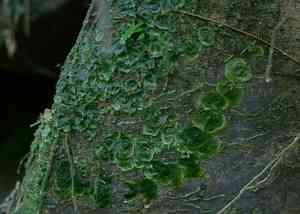
Didymoglossum tahitense (Didymoglossum tahitense)
Also known as: Tahitian Filmy Fern
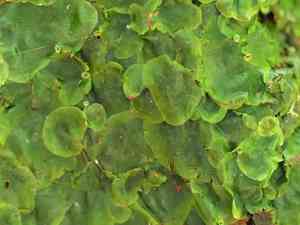
Didymoglossum tahitense is a small tropical fern that thrives in humid, shaded environments, often attaching itself to damp rock surfaces and tree trunks. Its delicate, translucent fronds have a glossy sheen and often display a unique bifurcated pattern. This fern is well-adapted to the moist, tropical conditions of Tahiti, where it finds the perfect microhabitat for growth. The plant's simple yet elegant structure reflects its ability to flourish in such specific ecological niches.
In This Article
Attributes of Didymoglossum tahitense
Lifespan
Perennial
Plant Type
Fern
Plant Height
Up to 5 cm
Spread
Not applicable, as this fern does not form a traditional crown.
Leaf Color
Green
Flower Size
Not applicable, as ferns do not produce flowers.
Flower Color
Not applicable, as ferns do not produce flowers.
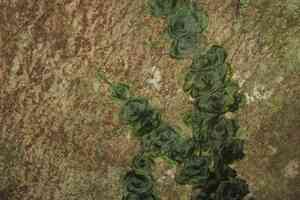
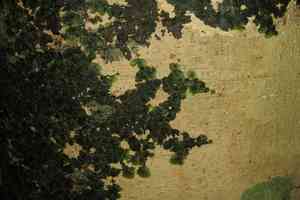
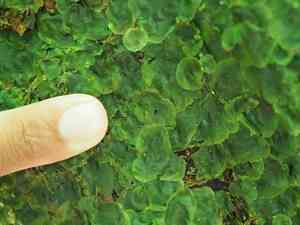
Images of Didymoglossum tahitense
Quickly Identify Didymoglossum tahitense
1
Identified by its tiny size, delicate filmy leaves, and preference for moist, shaded environments. The leaves are only one cell layer thick.
Scientific Classification of Didymoglossum tahitense
Phylum
Vascular plants
Class
Ferns
Order
Hymenophyllales
Family
Filmy fern
Genus
Didymoglossum
Species
Didymoglossum tahitense
Planting and Growing of Didymoglossum tahitense
Care Difficulty
Hard
Watering Schedule
Every 2 days
Sunlight Requirements
Partial sun
Sunshine Duration
4-6 hours
Ideal Temperature
68-77℉
Soil Type
Potting Mix, Peat Mix
Soil pH
5.5-6.5
Fertilizer Type
Balanced
Pruning Season
Spring, Summer
Pruning Area
Branches, Leaves
Pruning Frequency
2 times a year
Repotting Season
Spring
Pot Type
Plastic, Ceramic
 How to Water Didymoglossum tahitense?
When watering Didymoglossum tahitense, aim for about 50 ml each time. This plant prefers consistent moisture, but the soil should never be waterlogged. Ensure that excess water can drain freely to avoid water stagnation, while keeping the medium evenly damp.
What are the symptoms of an underwatered Didymoglossum tahitense?
›
What should I do if my Didymoglossum tahitense is not getting enough water?
›
What are the symptoms of an overwatered Didymoglossum tahitense?
›
How to save an overwatered Didymoglossum tahitense?
›
 What Are the Sunlight Requirements for Didymoglossum tahitense?
Partial sunlight or full shade conditions are ideal, offering the dappled light similar to its native rainforest floor. This ensures vibrant foliage and sustained health by promoting efficient photosynthesis.
What type of light is best?
›
How to ensure optimal lighting?
›
Benefits of ideal lighting?
›
 What Is the Ideal Temperature Range for Didymoglossum tahitense?
The ideal temperature range for Didymoglossum tahitense generally lies between 68°F and 77°F. In this range, the plant is able to photosynthesize efficiently and maintain its growth rate. This temperature range typically mimics its natural tropical environment, promoting optimal health and growth.
 What Soil is Best for Didymoglossum tahitense?
Didymoglossum tahitense thrives best in nutrient-rich loam soil. This type of soil provides essential nutrients and maintains adequate moisture levels, crucial for the plant's delicate fern foliage and overall health. Good drainage is vital for Didymoglossum tahitense as waterlogged conditions can cause root rot. This ensures the roots have ample oxygen and prevents moisture-related diseases, promoting robust growth. Consistent moisture and humidity are important for this fern, as these conditions simulate its natural tropical environment. Keeping the soil slightly moist aids in turgidity and vibrancy of its fronds.
 How to Fertilize Didymoglossum tahitense?
For Didymoglossum tahitense, the recommended amount of fertilizer should be very dilute. Use half the strength of the typical dosage suggested for other ferns, as these plants are sensitive to excess nutrients. Ensure even distribution to avoid root burn.
 How to Prune Didymoglossum tahitense?
Start by examining the plant and identifying any dead or damaged fronds. Use sharp, clean scissors to cut these fronds back to the base. Trim any fronds that are growing unruly or out of shape, maintaining a pleasing aesthetic. Aim to make cuts at a 45-degree angle to encourage natural healing and growth. After pruning, ensure the Didymoglossum tahitense is in an optimal environment with consistent humidity and indirect light, which helps it recover swiftly. Water the plant adequately, avoiding waterlogging, which can lead to root rot. Monitor the regrowth over the following weeks and adjust care as needed.
More About Pruning Techniques→
 How to Propagate Didymoglossum tahitense plant?
1
Water the plant thoroughly one day before division. This ensures the plant is hydrated, making it easier to separate and reducing stress.
2
Carefully remove the plant from its pot and gently separate the roots and foliage into sections. Ensure each division has roots and leaves for successful propagation.
3
Place each division into a separate pot filled with potting soil. Water lightly after planting. Keep the pots in a warm, bright location but out of direct sunlight.
 How to Repot Didymoglossum tahitense plant?
1
Repot Didymoglossum tahitense when you notice roots crowding the pot or protruding through the drainage holes. Another sign is when the plant's growth slows notably or seems stunted, indicating that the roots might need more space. Typically, this happens every 1-2 years, and doing so in early spring or summer gives the plant ample time to establish in fresh soil and adjust to new surroundings, harnessing the season's natural growth spurts.
2
Choose a pot slightly larger than the current one, with sufficient drainage holes. The pot material isn't as critical, but it should allow excess water to escape easily. This avoids waterlogging, which can lead to root rot. A breathable material like terracotta aids moisture control but ensure it's appropriately sized; too large a pot can hold excess moisture well beyond the plant's needs.
3
Didymoglossum tahitense thrives in a moist yet well-draining substrate. An ideal mix might include peat, perlite, or fine bark, imitating its natural epiphytic growing conditions. Such a mixture provides both airflow to the roots and retains necessary moisture, promoting healthy root growth and preventing compaction which can stifle the root system.



