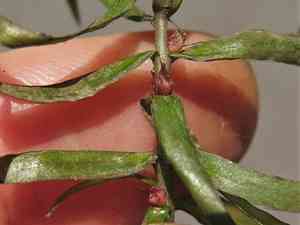
Water purslane (Didiplis diandra)
Also known as: Water Hedge
The aquatic plant commonly grown in aquariums and ponds for its appealing pinkish-red tipped needle-like leaves is Red Ludwigia (Ludwigia repens). This light-loving herb thrives in well-lit environments and is often found in slow-moving waters, lakes, or ponds in its natural habitat.
In This Article
Attributes of Water purslane
Lifespan
Annual, Perennial
Plant Type
Herb
Plant Height
Up to 20 cm (8 inches)
Spread
N/A
Leaf Color
Green Blue
Flower Size
Around 0.1 cm (tiny)
Flower Color
Yellow
Images of Water purslane
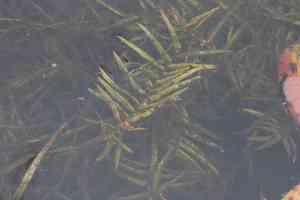
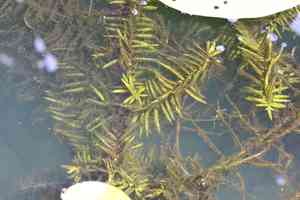
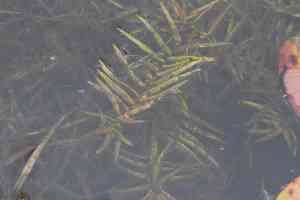
Quickly Identify Water purslane
1
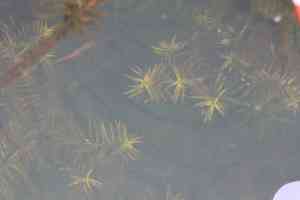
Didiplis diandra can be identified by its slender, needle-like leaves that grow in pairs along a central stem. The leaves are bright green and can take on a reddish hue under high light conditions. The plant can reach a height of up to 20 cm (8 inches) and tends to form dense clusters.
Scientific Classification of Water purslane
Phylum
Vascular plants
Class
Dicotyledons
Order
Myrtales
Family
Loosestrife
Genus
Didiplis
Species
Water purslane
Planting and Growing of Water purslane
Care Difficulty
Easy
Watering Schedule
Every 4 days
Sunlight Requirements
Partial sun
Sunshine Duration
4-6 hours
Ideal Temperature
72-78℉
Soil Type
Potting Mix, Peat Mix
Soil pH
6.5-7.5
Fertilizer Type
Balanced
Pruning Season
Spring, Summer
Pruning Area
Branches, Leaves
Pruning Frequency
2 times a year
Repotting Season
Spring
Pot Type
Plastic, Ceramic
 How to Water Water purslane?
For Didiplis diandra, the watering amount should be sufficient to moisten the soil evenly but not leave it soggy. Aim for about 150 ml of water per watering session. Ensure the water reaches the roots without waterlogging the substrate, creating a balance that supports healthy growth.
What are the symptoms of an underwatered Water purslane?
›
What should I do if my Water purslane is not getting enough water?
›
What are the symptoms of an overwatered Water purslane?
›
How to save an overwatered Water purslane?
›
 What Are the Sunlight Requirements for Water purslane?
In partial sun, Didiplis diandra benefits from balanced growth. Proper lighting enhances photosynthesis efficiency, ensures healthy coloration, and supports overall vitality.
What is the best lighting condition?
›
How can I achieve the ideal lighting?
›
What are the benefits of ideal lighting?
›
 What Is the Ideal Temperature Range for Water purslane?
Didiplis diandra thrives best in an environment where the temperature remains between 72°F and 78°F. This range ensures optimal photosynthesis and metabolism, providing the plant with the necessary conditions to grow healthily and achieve vibrant coloration. Keeping the temperature within this ideal range minimizes stress and reduces the risk of diseases and pests.
 What Soil is Best for Water purslane?
Didiplis diandra thrives best in well-draining soil, which prevents root rot by ensuring excess water doesn't linger around the roots. The plant benefits significantly as this ensures optimal oxygen exchange and nutrient uptake. A nutrient-rich soil promotes luscious growth for Didiplis diandra. Regularly adding organic matter like compost ensures that the soil maintains fertility, providing essential nutrients, and thus supporting healthy foliage development. While draining well, the soil must also retain adequate moisture levels to support Didiplis diandra's hydration needs, especially in dry seasons. This balance helps prevent stress on the plant and contributes to consistent growth.
 How to Fertilize Water purslane?
Didiplis diandra benefits from a balanced fertilization, typically requiring a moderate amount. When using liquid fertilizers, aim for a concentration around 5 ppm of nitrogen weekly. Slow-release fertilizers should be used sparingly, approximately 3 pellets per gallon of substrate annually to avoid nutrient overloading.
 How to Prune Water purslane?
Didiplis diandra exhibits a vertically upright growth. Start by observing which parts are crowded and determine which stems are growing too tall or have fewer leaves. This will help you decide where to cut to maintain its shape and promote fuller growth. Identifying these areas before pruning is essential for effective maintenance. Use sharp, clean scissors or aquascaping tools to avoid damaging the plant. Begin by trimming the tallest stems slightly above a leaf node to encourage the growth of new branches. This method not only maintains the plant's aesthetic balance but also ensures healthier regrowth. Always make precise cuts to avoid creating jagged edges that could invite diseases. After pruning, ensure the remaining stems are not overshadowed by neighboring plants to allow sufficient light penetration. Consider adding a mild fertilizer to support the plant's recovery and encourage rapid growth. Keeping the water clean and maintaining appropriate levels of CO2 will also boost the plant's regeneration post-trim.
 How to Propagate Water purslane plant?
1
Choose healthy, non-flowering stems from the Didiplis diandra plant. Select stems with at least a few nodes, as these are key for root development. It’s best to cut just below a node where roots naturally form.
2
Trim the lower leaves from the stem to ensure that only the upper leaves remain. This prevents rotting when the stem is inserted into the substrate. Optionally, dip the cut end into rooting hormone to promote faster root growth.
3
Insert the prepared cuttings into a substrate such as moist soil or aquatic substrate. Ensure that at least one node is buried, as this is where rooting will occur. Maintain humidity and warmth to encourage growth.
 How to Repot Water purslane plant?
1
Look for signs like slowed growth, roots coming out of the pot, or water sitting on top. These indicate Didiplis diandra needs repotting. The optimal time for repotting is during active growing seasons like spring or early summer.
2
Select a pot one size larger than the current one, with adequate drainage holes. A slighter larger pot encourages moderate growth and helps prevent rootbound conditions, leading to healthier plant development.
3
Opt for a sandy loam or peat mix soil that retains sufficient moisture while ensuring excellent drainage. This soil provides the ideal balance to support healthy root growth and nutrient uptake for Didiplis diandra.



