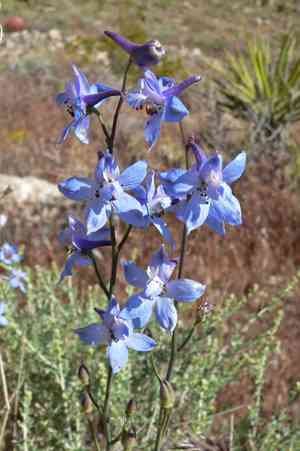
Desert larkspur (Delphinium parishii)
Also known as: Pale parish's larkspur, Mojave larkspur
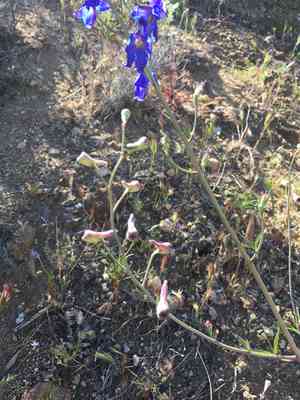
Delphinium parishi is a perennial herbaceous plant that typically grows between 17 and 60 centimeters in height, occasionally reaching up to 1 meter. Its leaves are palmately lobed. The flower colors vary widely: dark blue to purplish near Joshua Tree National Park, sky-blue in the eastern and northern desert regions, and pink in certain parts of California.
In This Article
Attributes of Desert larkspur
Lifespan
Perennial
Plant Type
Herb
Plant Height
30 cm to 91 cm
Spread
N/A
Leaf Color
Green
Flower Size
2 to 3 cm
Flower Color
Blue, Purple
Images of Desert larkspur
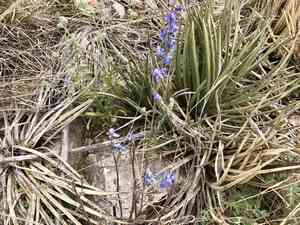
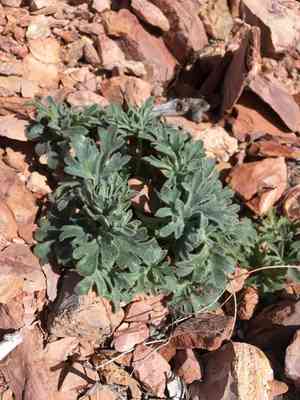
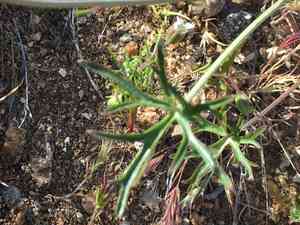
Quickly Identify Desert larkspur
1
Delphinium parishii can be recognized by its tall, slender stems and striking blue to purplish flowers. The flowers typically have a spur at the back, a characteristic feature of the Delphinium genus.
Scientific Classification of Desert larkspur
Phylum
Vascular plants
Class
Dicotyledons
Order
Ranunculales
Family
Buttercup
Genus
Larkspurs
Species
Desert larkspur
Planting and Growing of Desert larkspur
Care Difficulty
Hard
Watering Schedule
Every 4 days
Sunlight Requirements
Full sun
Sunshine Duration
4-8 hours
Ideal Temperature
60-75℉
Soil Type
Potting Mix, Peat Mix
Soil pH
6.5-7.5
Fertilizer Type
Balanced
Pruning Season
Spring, Summer
Pruning Area
Branches, Leaves
Pruning Frequency
2 times a year
Repotting Season
Spring
Pot Type
Plastic, Ceramic
 How to Water Desert larkspur?
Delphinium parishii requires careful attention to watering amounts. Aim to provide about 250 milliliters of water per session, ensuring the water thoroughly reaches the root zone without leaving the soil waterlogged. The goal is to maintain even moisture to encourage healthy growth.
What are the symptoms of an underwatered Desert larkspur?
›
What should I do if my Desert larkspur is not getting enough water?
›
What are the symptoms of an overwatered Desert larkspur?
›
How to save an overwatered Desert larkspur?
›
 What Are the Sunlight Requirements for Desert larkspur?
Delphinium parishii thrives in a light range of six to eight hours of sunlight per day. Adequate light promotes vigorous flowering and robust growth, enhancing the plant’s ornamental appeal and longevity.
What is the best type of light for Delphinium parishii?
›
How to ensure Delphinium parishii gets adequate sunlight?
›
What are the benefits of providing ideal lighting for Delphinium parishii?
›
 What Is the Ideal Temperature Range for Desert larkspur?
Delphinium parishii thrives best in a temperature range between 60°F and 75°F. Within this range, the plant can maintain optimal growth and produce vivid blooms. Maintaining these temperatures helps ensure the plant's metabolic processes such as photosynthesis and nutrient absorption are operating efficiently.
 What Soil is Best for Desert larkspur?
Delphinium parishii thrives in well-drained soils that prevent waterlogging. Good drainage helps the plant's roots access air and nutrients effectively, leading to healthier growth and more vibrant blooms. Although drainage is crucial, the soil should also retain enough moisture to support Delphinium parishii's growth. This balance ensures the plant receives consistent hydration, avoiding stress during dry periods. Nutrient-rich soils provide the essential elements for robust growth and flowering. Including organic matter can boost soil fertility, supporting plant health and intensifying blossom colors.
 How to Fertilize Desert larkspur?
For Delphinium parishii, it's essential to ensure the right quantity of fertilizer is used. Typically, applying a balanced water-soluble fertilizer with a diluted ratio of 1/4 strength during the growing season is advisable. This ensures the plant receives just the right amount of nutrients without overwhelming it.
 How to Prune Desert larkspur?
Inspect the plant for any dead or damaged stems and cut them back to the main stem or healthy growth. This encourages new growth and helps prevent disease. Once the flowering period is over, trim back spent blooms to encourage the plant to produce more flowers and maintain a neat appearance. To maintain a healthy shape and encourage bushy growth, trim back overgrown areas. Aim for an open center to promote airflow and reduce the risk of fungal diseases.
More About Pruning Techniques→
 How to Propagate Desert larkspur plant?
1
Fill seed trays with a well-draining potting mix. Sow the seeds on the surface and lightly cover them with soil. Keep the soil moist and place the tray in a location with indirect sunlight.
2
Cut a healthy stem from the plant using sterile pruning shears. Ensure the cutting is about 5-10 cm long with a few sets of leaves. Dip the cut end into rooting hormone to stimulate growth.
3
Once seedlings have developed a few true leaves, carefully transplant them into individual pots. Gradually acclimate them to outdoor conditions before planting in the garden.
 How to Repot Desert larkspur plant?
1
Delphinium parishii typically signals its need for repotting when roots begin outgrowing their container or emerging from drainage holes. If growth stagnates despite normal care, it's likely time to consider repotting. Spring or autumn are optimal as they align with the plant's natural growth cycles, minimizing stress.
2
Choose a pot slightly larger than the current one, ideally 2 inches wider in diameter. This allows room for growth without excessive space that can lead to water retention. Terra cotta pots are beneficial due to their breathability, allowing soil to dry out evenly, preventing root rot.
3
Opt for a well-draining potting mix rich in organic matter. This soil facilitates adequate aeration around the roots while retaining necessary moisture, promoting healthy growth. The inclusion of perlite or coarse sand enhances drainage, reducing the risk of overwatering.
Toxicity
ingestion, skin contact
WARNING
The judgment on toxicity and danger is for reference only. We DO NOT GUARANTEE any accuracy of such judgment. Therefore, you SHALL NOT rely on such judgment. It is IMPORTANT TO SEEK PROFESSIONAL ADVICE in advance when necessary.
Learn More About Desert larkspur Diseases
Anthracnose
Bacterial Leaf Spot
Bacterial Soft Rot
Bacterial Wilt
Black Spot
Chemical Injury
Crown Gall
Cyst Nematode
Damping-off
Downy Mildew
Drought Stress
Fusarium Wilt
Gray Mold
Leaf Curl
Leaf Spot
Mosaic
Nutrient Deficiency
Nutrient Toxicity
Powdery Mildew
Root Rot
Root-knot Nematode
Rusts
Sooty Mold
Spider Mites
Temperature Stress
Thrips Damage
White Mold



