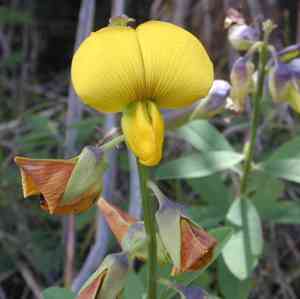
Feay's prairie clover (Dalea feayi)
Also known as: Feay's Prairie Clover
Feay's prairie clover is a hardy perennial shrub known for its unique woody stems and delicate foliage. It features tough gray-green leaves and vibrant purple flowers that attract many pollinators when in bloom. This plant flourishes in well-drained sandy soils and requires full sunlight, reflecting the resilience and beauty of its natural dry, open environments.
In This Article
Attributes of Feay's prairie clover
Lifespan
Perennial
Plant Type
Shrub
Plant Height
60-90 cm
Spread
30-45 cm
Leaf Color
Green
Flower Size
0.5-1 cm
Flower Color
Purple
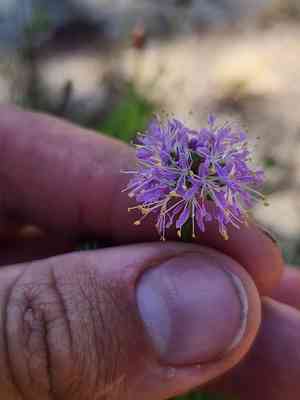
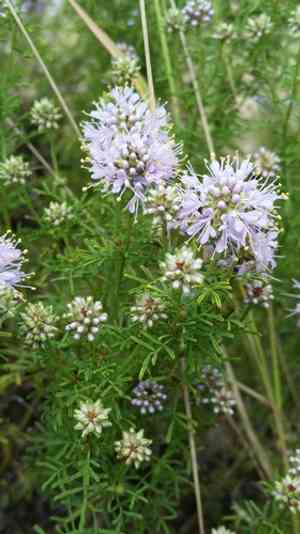
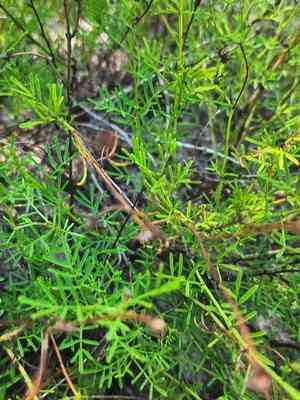
Images of Feay's prairie clover
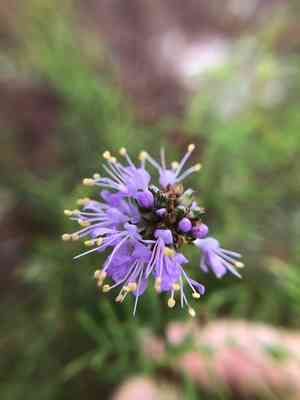
Quickly Identify Feay's prairie clover
1
Dalea feayi can be identified by its compound leaves, typically with 3-5 leaflets, and its dense spikes of small, tubular purple flowers that bloom in late summer. It is often found in sandy soils.
Scientific Classification of Feay's prairie clover
Phylum
Vascular plants
Class
Dicotyledons
Order
Fabales
Family
Legume
Genus
Prairie clover
Species
Feay's prairie clover
Planting and Growing of Feay's prairie clover
Care Difficulty
Hard
Watering Schedule
Every 2 days
Sunlight Requirements
Full sun
Sunshine Duration
6-8 hours
Ideal Temperature
70-85℉
Soil Type
Potting Mix, Peat Mix
Soil pH
6.5-7.5
Fertilizer Type
Balanced
Pruning Season
Spring, Summer
Pruning Area
Branches, Leaves
Pruning Frequency
2 times a year
Repotting Season
Spring
Pot Type
Plastic, Ceramic
 How to Water Feay's prairie clover?
Dalea feayi prefers well-drained soil, so ensure you are providing around 300 ml of water each time. This amount allows the soil to become moist but not soggy. Water until it starts to drain at the bottom, signaling the soil has absorbed enough.
What are the symptoms of an underwatered Feay's prairie clover?
›
What should I do if my Feay's prairie clover is not getting enough water?
›
What are the symptoms of an overwatered Feay's prairie clover?
›
How to save an overwatered Feay's prairie clover?
›
 What Are the Sunlight Requirements for Feay's prairie clover?
Dalea feayi ideally requires partial to full sunlight, ensuring at least 6 hours of exposure. Appropriate light levels support photosynthesis, encouraging strong, vibrant growth and abundant blooms.
What type of sunlight is most suitable for Dalea feayi?
›
How can you ensure Dalea feayi receives the right amount of light?
›
What benefits does ideal sunlight provide to Dalea feayi?
›
 What Is the Ideal Temperature Range for Feay's prairie clover?
For Dalea feayi to thrive, it ideally requires a temperature range between 70°F and 85°F. This range provides optimal conditions for photosynthesis and metabolic activities, ensuring that the plant grows healthily and robustly. The plant's native habitat in the southeastern United States supports these conditions, making it crucial to replicate them in cultivation.
 What Soil is Best for Feay's prairie clover?
Dalea feayi thrives in well-drained soils that do not retain excess moisture. This capability prevents root rot and other moisture-related problems, ensuring strong and healthy plant growth. This plant is adapted to thrive in nutrient-poor environments. By surviving in less fertile soils, it reduces competition and limits the requirement for additional fertilization, making it ideal for sustainable and low-maintenance gardening. Soil with good aeration is critical for Dalea feayi. It allows the roots to breathe and access essential oxygen, promoting vigorous root development and enhancing drought tolerance.
 How to Fertilize Feay's prairie clover?
Dalea feayi benefits from a balanced approach to fertilization. For liquid fertilizers, use a diluted solution at a 1/4 strength to prevent any potential nutrient burn. When applying slow-release fertilizers, about 1-2 tablespoons per plant, adjusted depending on the plant size, typically suffices.
 How to Prune Feay's prairie clover?
Begin by inspecting the plant for any dead, damaged, or diseased branches and remove them first. Use sharp, clean pruning shears to make cuts at a 45-degree angle slightly above a leaf node to encourage new growth. Trim back any overgrown branches to maintain a tidy, rounded shape. Be sure to leave healthy branches intact to ensure the plant continues thriving.
More About Pruning Techniques→
 How to Propagate Feay's prairie clover plant?
1
Fill a seed tray with a well-draining seed-starting mix. Moisten the soil slightly before sowing the seeds. Ensure the tray has good drainage to avoid water retention that could harm the seeds.
2
Distribute the Dalea feayi seeds evenly over the soil surface and cover them with a thin layer of soil. Gently press down to ensure the seeds make contact with the moist soil.
3
For cutting propagation, select a healthy stem from the parent plant. Cut a 4 to 6-inch section just below a node, remove the lower leaves, and dip the cut end in rooting hormone before planting.
 How to Repot Feay's prairie clover plant?
1
Dalea feayi needs repotting when roots begin to emerge from the drainage holes. This indicates that the plant is becoming root-bound. Another signal is a slowdown in growth despite regular feeding and proper care. Additionally, if the soil drains too quickly or retains water excessively after watering, it might be time to repot.
2
Select a pot that's slightly larger than the current one, ensuring it's at least an inch wider in diameter. The pot should have drainage holes to prevent waterlogging, which can lead to root rot. A terracotta pot is often ideal as it allows for better air circulation and prevents moisture retention, mimicking natural conditions.
3
Opt for a well-draining sandy mix, composed mainly of sand, perlite, and a little loam. This mimics Dalea feayi's natural habitat, preventing root rot by ensuring excess water drains away quickly. Such soil also provides good aeration, which is beneficial for root health.
Learn More About Feay's prairie clover Diseases
Anthracnose
Bacterial Leaf Spot
Bacterial Soft Rot
Bacterial Wilt
Black Spot
Chemical Injury
Crown Gall
Cyst Nematode
Damping-off
Downy Mildew
Drought Stress
Fusarium Wilt
Gray Mold
Leaf Curl
Leaf Spot
Mosaic
Nutrient Deficiency
Nutrient Toxicity
Powdery Mildew
Root Rot
Root-knot Nematode
Rusts
Sooty Mold
Spider Mites
Temperature Stress
Thrips Damage
White Mold



