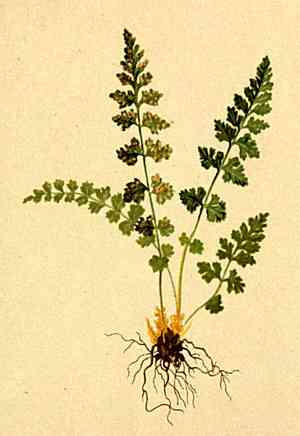
Lowland bladder fern (Cystopteris protrusa)
Also known as: Fragile Fern, Brittle Fern
The Sensitive Fern (Onoclea sensibilis) is a common, exclusively terrestrial fern native to North America. It tends to form dense colonies in the spring and typically vanishes by summer, being a spring ephemeral. This fern is often found in moist woodlands, wetlands, and along stream banks.
In This Article
Attributes of Lowland bladder fern
Lifespan
Perennial
Plant Type
Herb
Plant Height
15 cm to 46 cm
Spread
15 cm to 45 cm
Leaf Color
Green Blue
Flower Size
N/A - Does not produce flowers
Flower Color
N/A - Does not produce flowers
Images of Lowland bladder fern
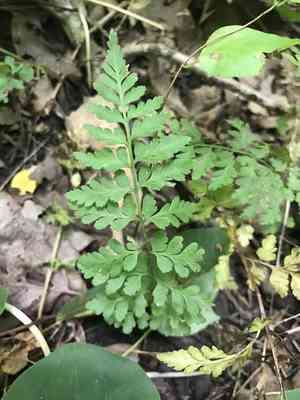
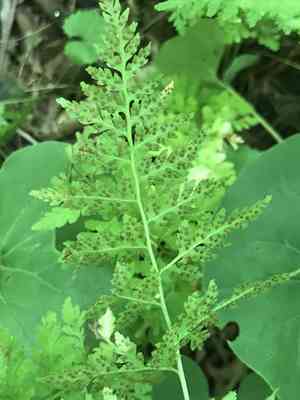
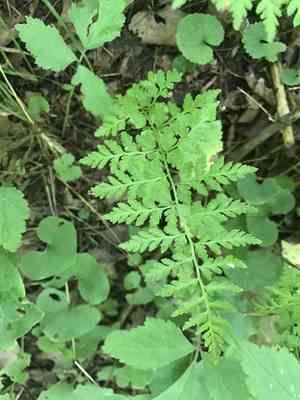
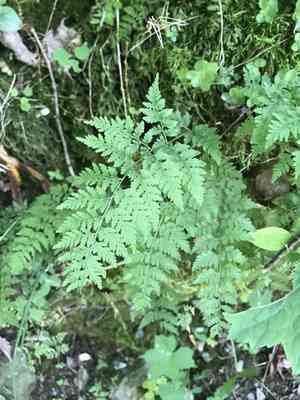
Quickly Identify Lowland bladder fern
1
Delicate, deciduous fronds with fragile central stems prone to breakage.
2
Long, erect fronds with bipinnate to tripinnate leaflet divisions up to 2 feet (60 cm).
3
Fine texture on fronds and intricate vein pattern on vibrant green leaves.
Scientific Classification of Lowland bladder fern
Phylum
Vascular plants
Class
Ferns
Order
Polypodiales
Family
Cystopteridaceae
Genus
Bladderferns
Species
Lowland bladder fern
Planting and Growing of Lowland bladder fern
Care Difficulty
Easy
Watering Schedule
Every 3 days
Sunlight Requirements
Partial sun
Sunshine Duration
6-10 hours
Ideal Temperature
60-70℉
Soil Type
Potting Mix, Peat Mix
Soil pH
6.5-7.5
Fertilizer Type
Balanced
Pruning Season
Spring, Summer
Pruning Area
Branches, Leaves
Pruning Frequency
2 times a year
Repotting Season
Spring
Pot Type
Plastic, Terracotta
 How to Water Lowland bladder fern?
For Cystopteris protrusa, approximately 250 ml of water per session would be appropriate. Ensure the water thoroughly moistens the soil but does not waterlog the roots. Aim to keep the soil consistently moist but never soggy.
What are the symptoms of an underwatered Lowland bladder fern?
›
What should I do if my Lowland bladder fern is not getting enough water?
›
What are the symptoms of an overwatered Lowland bladder fern?
›
How to save an overwatered Lowland bladder fern?
›
 What Are the Sunlight Requirements for Lowland bladder fern?
Partial sun with dappled light mimics its natural habitat. Benefits include vitality in growth, sustained chlorophyll levels, and enhanced aesthetic presence in landscaping.
More About Sunlight Requirements Techniques→
What is the ideal lighting condition?
›
How to achieve ideal lighting for Cystopteris protrusa?
›
Benefits of getting ideal lighting conditions?
›
 What Is the Ideal Temperature Range for Lowland bladder fern?
The ideal temperature range for growing Cystopteris protrusa is between 60°F and 70°F. This range provides the optimal conditions for the plant's growth and ensures its metabolic processes occur efficiently. Maintaining this temperature range helps in avoiding stress and ensures the plant remains healthy and robust.
 What Soil is Best for Lowland bladder fern?
Cystopteris protrusa thrives in well-draining soil to prevent waterlogged roots, which is vital for avoiding root rot and ensuring healthy plant growth. The soil should retain sufficient moisture without becoming soggy, providing the plant with a consistent level of water, which is crucial for maintaining leaf vitality. Rich, organic matter in the soil boosts growth by providing essential nutrients, fostering the fern's lush and vibrant frond development.
 How to Fertilize Lowland bladder fern?
When fertilizing Cystopteris protrusa, ensure that the application is light. Use a balanced fertilizer with a ratio like 10-10-10, applying at half-strength to prevent over-fertilization which can harm the roots.
 How to Prune Lowland bladder fern?
Look for new growth or a burst of vitality in your Cystopteris protrusa. These are signs that the plant is in its main growing phase, and it's essential to ensure you're not cutting back too much, which could stunt its development. When pruning, cut the fronds at their base close to the plant’s main structure. This directs the plant’s energy towards developing new healthy fronds instead of sustaining old or damaged ones. Cystopteris protrusa often sends out runners which help propagate the plant naturally. Avoid trimming these to allow the plant to fill out or spread naturally, contributing to its full, lush appearance.
More About Pruning Techniques→
 How to Propagate Lowland bladder fern plant?
1
Water the plant a day or two before division to ensure the roots are hydrated. This makes it easier to separate the clumps without causing stress to the plant.
2
Use a garden fork or spade to carefully dig around the plant, lifting it out of the ground. Handle the plant gently to avoid breaking the roots.
3
Once out of the ground, gently separate the root clumps using a sharp knife or your hands. Ensure each new section has a portion of the root system and some foliage.
 How to Repot Lowland bladder fern plant?
1
The optimal time to repot Cystopteris protrusa is when you notice its roots overflowing from the drainage holes, or the plant showing signs of slowed growth. Spring and Summer months are ideal to allow the plant to settle in before fall dormancy.
2
Select a pot that's just one size larger than the current one, ensuring it has adequate drainage holes. A slightly larger pot minimizes the risk of overwatering and offers just enough space for the root system to expand comfortably.
3
Choose a well-draining loamy soil mix that retains enough moisture without becoming soggy. This type of soil ensures the roots have access to moisture and nutrients while preventing root rot, a common issue with overly dense or poor-draining mixes.



