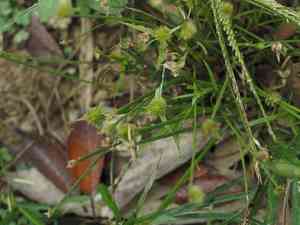
Shortleaf Spikesedge (Cyperus brevifolius)
Also known as: Globe kyllinga, Perennial greenhead sedge, Mullumbimby couch, Kyllinga weed
Shortleaf spikesedge (*Cyperus brevifolius*) is a perennial herb that flowers from spring through fall and enters dormancy during winter. It features green flowers on triangular stems and is originally from tropical regions, though it can also be found in other warm areas. In lawns and cultivated spaces, it is deemed a weed due to its high resilience and prolific seed production.
In This Article
Attributes of Shortleaf Spikesedge
Lifespan
Perennial
Plant Type
Grass
Plant Height
15 cm
Spread
90 cm
Leaf Color
Green
Flower Size
5 mm to 1 cm
Flower Color
Green Yellow
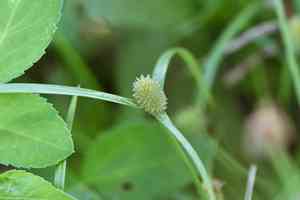
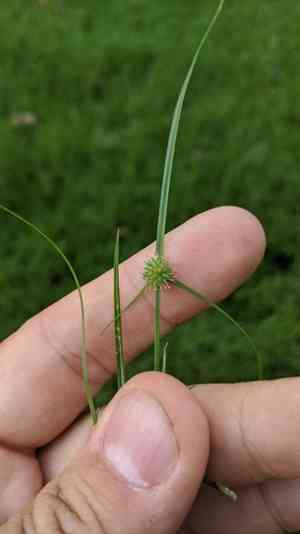
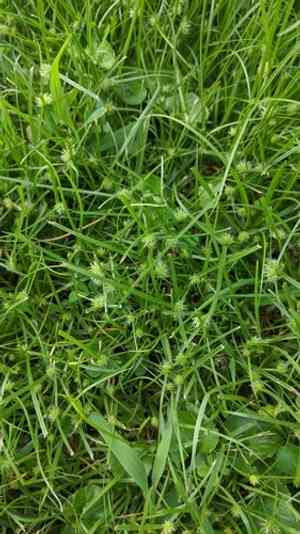
Images of Shortleaf Spikesedge
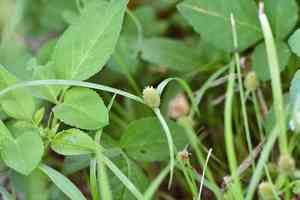
Quickly Identify Shortleaf Spikesedge
1
Cyperus brevifolius can be identified by its tufted growth with short, flat, and narrow leaves. It typically has triangular stems with clustered spikelets at the top, which are green to brownish in color.
Scientific Classification of Shortleaf Spikesedge
Phylum
Vascular plants
Class
Monocotyledons
Order
Poales
Family
Sedge
Genus
Nutgrasses
Species
Shortleaf Spikesedge
Planting and Growing of Shortleaf Spikesedge
Care Difficulty
Easy
Watering Schedule
Every 8 days
Sunlight Requirements
Partial sun
Sunshine Duration
6-10 hours
Ideal Temperature
70-85℉
Soil Type
Potting Mix, Peat Mix
Soil pH
6-7.5
Fertilizer Type
Balanced
Pruning Season
Spring, Summer
Pruning Area
Branches, Leaves
Pruning Frequency
2 times a year
Repotting Season
Spring
Pot Type
Plastic, Ceramic
 How to Water Shortleaf Spikesedge?
For Cyperus brevifolius, the ideal watering amount is about 150 ml each time. This amount ensures that the soil remains consistently moist but not overly saturated. The key is to ensure that the top 1-2 inches of soil feel moist to the touch without having standing water at the base of the plant. Overwatering can lead to root rot, whereas underwatering might stress the plant, causing brown tips on the leaves.
What are the symptoms of an underwatered Shortleaf Spikesedge?
›
What should I do if my Shortleaf Spikesedge is not getting enough water?
›
What are the symptoms of an overwatered Shortleaf Spikesedge?
›
How to save an overwatered Shortleaf Spikesedge?
›
 What Are the Sunlight Requirements for Shortleaf Spikesedge?
Partial sun means Cyperus brevifolius should ideally receive 2 to 6 hours of filtered sunlight daily. Optimal lighting in this range promotes healthy leaves and encourages strong, vigorous growth, essential for the plant's vitality.
What is the best way to achieve ideal lighting for Cyperus brevifolius?
›
How can I ensure my plant is receiving the appropriate level of sunlight?
›
What benefits does adequate lighting provide for this plant?
›
 What Is the Ideal Temperature Range for Shortleaf Spikesedge?
The ideal temperature range for Cyperus brevifolius is between 70°F and 85°F. Within this temperature range, the plant can optimally perform its physiological functions, ensuring robust growth and health. Maintaining temperatures in this range supports efficient photosynthesis and nutrient uptake, leading to healthier foliage and vibrant plant coloration.
 What Soil is Best for Shortleaf Spikesedge?
Cyperus brevifolius thrives in soils with excellent drainage, preventing waterlogging which can lead to root rot. Ensuring well-drained soil promotes healthy root growth, enabling the plant to access nutrients efficiently. This plant prefers nutrient-rich soils that supply ample essential minerals and organic matter. Rich soil sustains vigorous growth and supports lush green blades typical of this sedge. While good drainage is essential, keeping the soil consistently moist is crucial for Cyperus brevifolius. Maintaining optimal moisture levels supports its growth and prevents it from drying out, especially in hotter climates.
 How to Fertilize Shortleaf Spikesedge?
Cyperus brevifolius, commonly known as mole grass, thrives with moderate fertilization. Use a balanced liquid fertilizer with an NPK ratio of 3-1-2, diluted to half strength. Apply approximately 200-300 ml per plant per session to ensure adequate nutrient uptake without soil saturation.
 How to Prune Shortleaf Spikesedge?
Begin by identifying stems that appear discolored, wilted, or damaged. These stems should be removed first, cutting them back to the base of the plant to make room for healthy new growth. Trim back any stems that disrupt the symmetry of the plant. Cyperus brevifolius tends to grow in a tuft-like manner, so aim to maintain this natural form while ensuring even light and air distribution. To promote bushier growth, trim back longer stems by about one-third. This encourages the plant to send out new shoots from the base, resulting in a fuller appearance.
 How to Propagate Shortleaf Spikesedge plant?
1
Fill the seed tray with a well-draining potting mix. Moisten the soil and evenly spread the Cyperus brevifolius seeds over the surface. Cover lightly with a thin layer of soil.
2
Select a mature plant and dig around the root zone with a spade. Carefully lift the plant and gently pull apart the root clumps into smaller sections for planting.
3
Plant the divided sections in pots or directly into the ground, ensuring the root zone is well-covered. Water thoroughly and keep it in a partially shaded area until new growth appears.
 How to Repot Shortleaf Spikesedge plant?
1
Look for signs like roots growing out of the drainage holes or the plant appearing root-bound. These indicate that your Cyperus brevifolius needs more room to thrive. Typically, repotting in spring or summer allows the plant to establish itself before the growing season.
2
Select a pot that's one to two sizes larger than the current one, with good drainage holes. This prevents water stagnation, which can lead to root rot, and allows ample space for root expansion and plant growth.
3
Opt for a loamy, well-draining potting mix. This type of soil retains moisture without becoming waterlogged, providing the perfect balance of nutrients and breathability essential for grass-like plants like Cyperus brevifolius.



