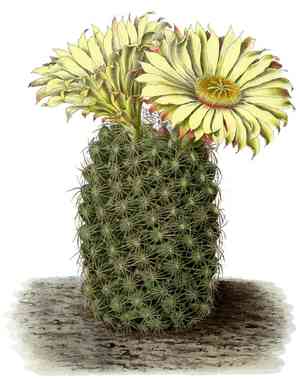
Pencil cholla (Cylindropuntia ramosissima)
Also known as: Pencil cactus
The cactus you're referring to is likely the **pencil cholla** (Cylindropuntia arbuscula). This bush-shaped cactus is native to the deserts of the southern and western United States. It features small orange or pink flowers and has sparse spines. Due to its subtle appearance, it can easily go unnoticed, surprising those who pass by.
In This Article
Attributes of Pencil cholla
Lifespan
Perennial
Plant Type
Succulent
Plant Height
1.8 m to 2 m
Spread
1.2 m
Leaf Color
Green Blue
Flower Size
2.5 cm
Flower Color
Yellow Red
Images of Pencil cholla
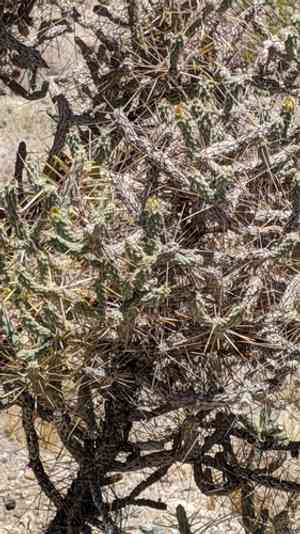
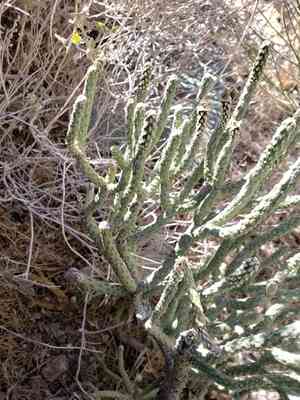
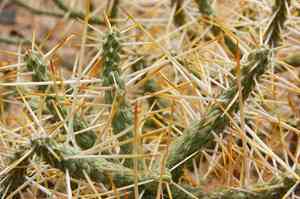
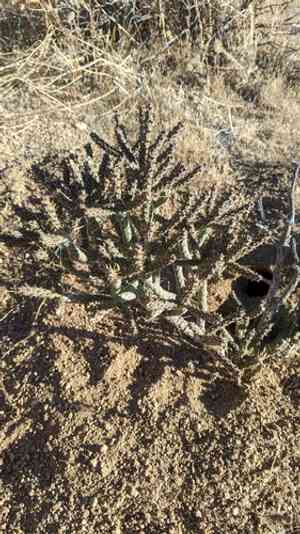
Quickly Identify Pencil cholla
1
To identify Cylindropuntia ramosissima, look for its slender, branched, pencil-like stems with prominent spines. The stems are segmented, with segments easily breaking off and re-rooting. Its flowers are usually small and greenish-yellow.
Scientific Classification of Pencil cholla
Phylum
Vascular plants
Class
Dicotyledons
Order
Caryophyllales
Family
Cactuses
Genus
Chollas
Species
Pencil cholla
Planting and Growing of Pencil cholla
Care Difficulty
Easy
Watering Schedule
Every day
Sunlight Requirements
Full sun
Sunshine Duration
4-8 hours
Ideal Temperature
65-85℉
Soil Type
Potting Mix, Peat Mix
Soil pH
6.5-7.5
Fertilizer Type
Balanced
Pruning Season
Spring, Summer
Pruning Area
Branches, Leaves
Pruning Frequency
2 times a year
Repotting Season
Spring
Pot Type
Plastic, Ceramic
 How to Water Pencil cholla?
Cylindropuntia ramosissima requires careful watering where each time you water, you should provide around 50 milliliters. Ensure that the water reaches deep into the soil without leaving the plant waterlogged. The soil must be allowed to dry out entirely between waterings.
What are the symptoms of an underwatered Pencil cholla?
›
What should I do if my Pencil cholla is not getting enough water?
›
What are the symptoms of an overwatered Pencil cholla?
›
How to save an overwatered Pencil cholla?
›
 What Are the Sunlight Requirements for Pencil cholla?
The ideal light range for Cylindropuntia ramosissima includes full sun to partial shade, promoting robust growth and vibrant coloration. Access to optimal light conditions enhances photosynthesis and overall plant vitality.
More About Sunlight Requirements Techniques→
Optimal Placement
›
Supplementary Lighting
›
Balanced Exposure
›
 What Is the Ideal Temperature Range for Pencil cholla?
The Cylindropuntia ramosissima thrives best when grown in temperature ranges between 65°F to 85°F. These temperatures mimic its native desert environment, providing adequate warmth for proper photosynthesis and metabolic functions. Maintaining such conditions ensures robust growth and minimizes stress.
 What Soil is Best for Pencil cholla?
Cylindropuntia ramosissima thrives in well-draining soil that prevents waterlogging. This requirement is crucial as it mimics the plant's native desert environment, reducing root rot risk and supporting healthy growth. The soil should have a light and airy texture, typical of sandy soils. This allows roots to penetrate and explore more efficiently, promoting robust plant health and facilitating nutrient uptake. Cylindropuntia ramosissima is accustomed to nutrient-poor conditions, aligning with its natural habitat. Such soil discourages overly lush growth, maintaining the plant's characteristic structure.
 How to Fertilize Pencil cholla?
For Cylindropuntia ramosissima, a small amount of fertilizer is often sufficient. Use a balanced cactus fertilizer diluted to 1/4 strength. Avoid over-fertilizing, as this can harm the plant. Typically, about one teaspoon of liquid fertilizer per gallon of water is adequate.
 How to Prune Pencil cholla?
Before any pruning, carefully inspect the plant for wilted, weakened, or storm-damaged sections. Remove these parts first as they may hinder overall growth and attract pests. Pruning should enhance the natural structure. Cut back overgrown branches to maintain a balanced shape and promote ventilation through the plant, which helps in reducing disease. Avoid removing more than 25% of the plant at one time. Excessive pruning can stress the cactus, making it more susceptible to environmental stressors, so balance is key.
 How to Propagate Pencil cholla plant?
1
For seeds, collect them from mature fruits. For cuttings, choose healthy, disease-free segments, and cut at a joint using sterilized shears.
2
Use a cactus mix or create your own by mixing sand, perlite, and soil in equal parts. Ensure it's well-draining to avoid excess moisture retention.
3
Place seeds or the cut end of the cutting slightly buried in the potting mix. Water lightly, ensuring the medium is moist but not soggy.
 How to Repot Pencil cholla plant?
1
Keep an eye out for root-bound signs such as roots growing out of the drainage holes or a plant that seems too large for its pot. Cylindropuntia ramosissima typically needs repotting every 2-3 years when growth slows, indicating it's time for a fresh start.
2
Select a pot that is one size larger than the current one, ensuring it has good drainage. A pot with proper drainage prevents waterlogging and potential root rot, which are vital for the health of this cactus.
3
Choose a soil mix designed for cacti, emphasized on excellent drainage and aeration. This type of soil is crucial for preventing water retention, which keeps the cactus roots healthy and thriving.
Learn More About Pencil cholla Diseases
Anthracnose
Bacterial Leaf Spot
Bacterial Soft Rot
Crown Gall
Damping-off
Drought Stress
Fusarium Wilt
Gray Mold
Leaf Spot
Mosaic
Nutrient Deficiency
Nutrient Toxicity
Powdery Mildew
Root Rot
Root-knot Nematode
Rusts
Sooty Mold
Spider Mites
Temperature Stress
Thrips Damage
White Mold
Chemical Injury



