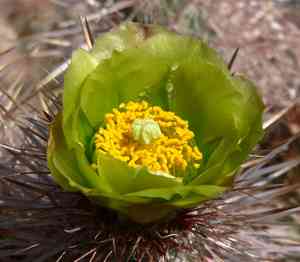
Wiggins' cholla (Cylindropuntia echinocarpa)
Also known as: Silver cholla
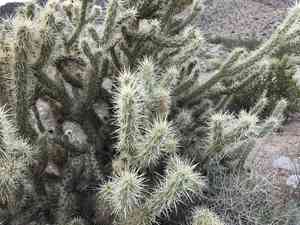
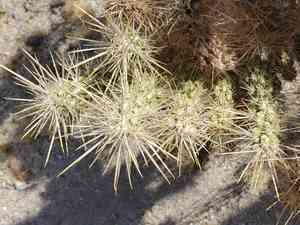
The Wiggins' cholla, native to arid regions of the United States and Mexico, is renowned for its stunning yellow and yellow-green flowers. This cactus also features dense, orderly spines ranging from white to tan. Besides its visual appeal, it provides an excellent nesting site for birds, making it a perfect choice for both desert and Mediterranean gardens.
In This Article
Attributes of Wiggins' cholla
Lifespan
Perennial
Plant Type
Shrub, Succulent
Plant Height
2 m
Spread
50 cm to 2 m
Leaf Color
Green
Flower Size
2 cm to 2.5 cm
Flower Color
Yellow Green Red
Images of Wiggins' cholla
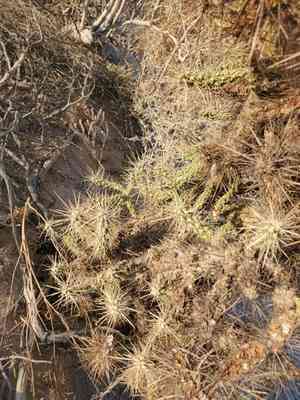
Quickly Identify Wiggins' cholla
1
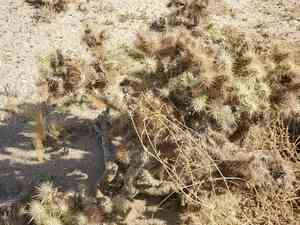
To identify Cylindropuntia echinocarpa, look for its cylindrical stems that are jointed and covered with spines. The spines are silver or golden in color, giving it its common names. The plant often grows in a shrubby form and produces yellow-green flowers.
Scientific Classification of Wiggins' cholla
Phylum
Vascular plants
Class
Dicotyledons
Order
Caryophyllales
Family
Cactuses
Genus
Chollas
Species
Wiggins' cholla
Planting and Growing of Wiggins' cholla
Care Difficulty
Easy
Watering Schedule
Every day
Sunlight Requirements
Full sun
Sunshine Duration
6-10 hours
Ideal Temperature
68-86℉
Soil Type
Potting Mix, Peat Mix
Soil pH
6.5-7.5
Fertilizer Type
Balanced
Pruning Season
Spring, Summer
Pruning Area
Branches, Leaves
Pruning Frequency
2 times a year
Repotting Season
Spring
Pot Type
Plastic, Ceramic
 How to Water Wiggins' cholla?
Cylindropuntia echinocarpa, commonly known as Golden Cholla, requires a moderate watering amount. During watering, make sure to moisten the soil evenly, allowing around 100 milliliters of water to soak through the soil. It's crucial to let the soil dry thoroughly between watering to mimic the plant's natural arid habitat.
What are the symptoms of an underwatered Wiggins' cholla?
›
What should I do if my Wiggins' cholla is not getting enough water?
›
What are the symptoms of an overwatered Wiggins' cholla?
›
How to save an overwatered Wiggins' cholla?
›
 What Are the Sunlight Requirements for Wiggins' cholla?
This plant prefers full sun exposure. Ideal conditions allow for rapid growth, strong spine formation, and vibrant coloration, creating a healthy and robust cactus.
More About Sunlight Requirements Techniques→
Why Full Sunlight?
›
Solution to Achieve Ideal Sunlight
›
Benefits of Proper Sunlight
›
 What Is the Ideal Temperature Range for Wiggins' cholla?
Cylindropuntia echinocarpa prefers an ideal temperature range of 68°F to 86°F. This range allows the plant to photosynthesize efficiently, promoting healthy growth and development. Keeping the temperature within this range ensures optimal metabolic function and nutrient uptake.
 What Soil is Best for Wiggins' cholla?
Cylindropuntia echinocarpa thrives best in well-drained soil, which prevents water from accumulating around the roots. This drainage capability is vital because it mimics its native desert environment, reducing the risk of root rot and other water-related issues. This cactus is adapted to thrive in nutrient-poor soils, which is why it's perfect for sandy loams that don’t retain many minerals. This trait allows it to survive in environments where other plants may not thrive, providing ecological benefits for desert landscaping. It requires soil that is exposed to full sun, as this cactus needs ample sunlight to perform photosynthesis effectively. Proper sun exposure in the soil helps maintain the cactus's robust growth habits and vibrant appearance.
 How to Fertilize Wiggins' cholla?
When fertilizing Cylindropuntia echinocarpa, it is essential to use a balanced cactus fertilizer at half the strength recommended on the package. Typically, use about one teaspoon of liquid fertilizer diluted in a gallon of water per application to avoid over-fertilization.
 How to Prune Wiggins' cholla?
Start by carefully examining the plant to identify any damaged or diseased segments. Look for sections where the spines are discolored or where the stem appears soft and rotted. Use sharp, sterilized pruning shears to make clean cuts just above the joint of the cactus segments. Avoid tearing or crushing the stems, as this can damage the plant and open pathways for infections. Collect the pruned segments carefully to avoid spreading the spines. Dispose of them safely in a trash bag to prevent them from causing harm to people or animals.
 How to Propagate Wiggins' cholla plant?
1
Harvest seeds from ripe fruits in spring. Clean the seeds and let them dry, ensuring they are free from any pulp or debris that could encourage mold growth.
2
Use a sterilized knife or shears to cut a healthy segment from a mature plant. Allow the cutting to callous over for a few days to minimize the risk of rot when planted.
3
Insert the calloused cuttings or seeds into well-draining soil. Water sparingly to prevent excessive moisture, which can lead to rot, particularly in the early stages of growth.
 How to Repot Wiggins' cholla plant?
1
Cylindropuntia echinocarpa, often known as Silver Cholla, signals its need for repotting when its roots start to circle the pot, or when the plant appears top-heavy and unstable. Observing these signs suggests that it’s outgrowing its current home. Ideally, the best time to repot is during active growing periods—specifically, spring or early summer to allow the plant to establish quickly.
2
Select a pot that is about 2 inches larger in diameter than the current one, ensuring it has excellent drainage holes. This encourages sufficient drainage and room for root expansion, which is crucial for avoiding waterlogging and root rot. The material of the pot should allow some breathability—ceramic or unglazed clay pots are good options as they allow moisture to evaporate more readily.
3
For Silver Cholla, a sandy, well-draining soil mix mimicking its natural desert habitat is paramount. This could be a cactus or succulent mix, sometimes with additional perlite or pumice for enhanced drainage. Such a soil mix prevents water from pooling around the roots, which could otherwise lead to decay and disease. The right soil promotes a healthy balance by allowing appropriate moisture while preventing excess water retention.



